
NC prisons look for ways to reduce inmate segregation
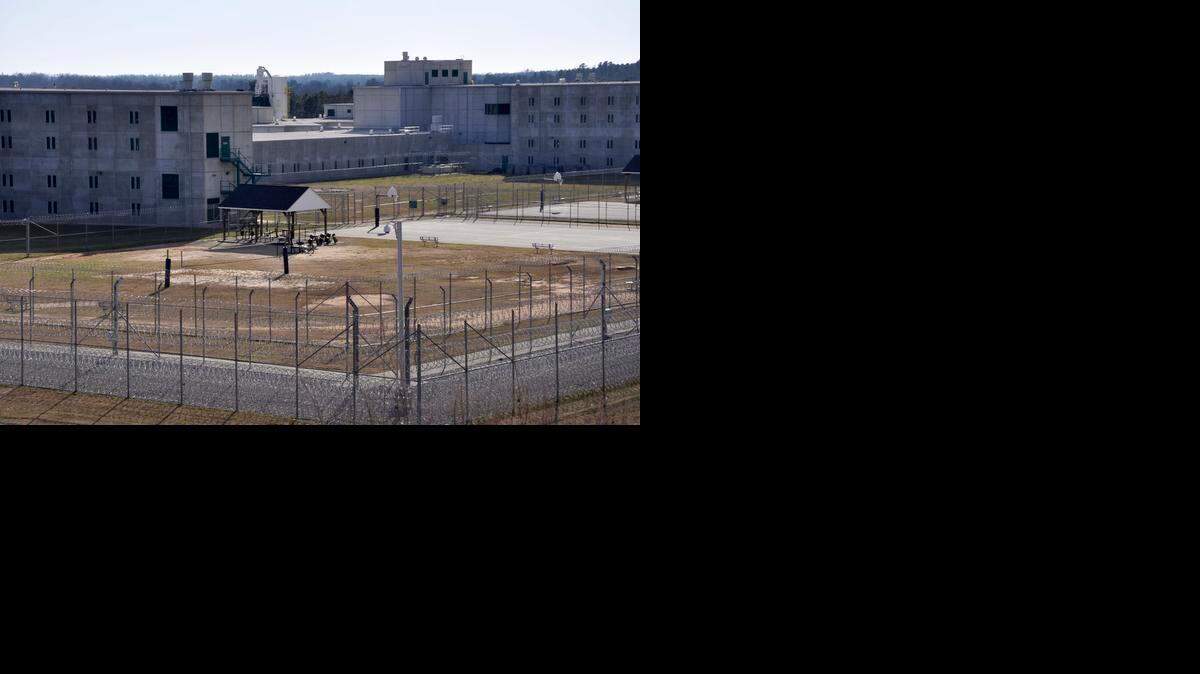
More than 5,000 North Carolina prison inmates are segregated from the general population on an average day, a practice that a national justice institute says is overused and has negative mental health effects on inmates.
The state prison system, which has been reviewing its use of restricted housing, is one of five in the country chosen to participate in a two-year study to reduce the use of prison segregation, including solitary confinement. The study is sponsored by the Vera Institute of Justice in New York.
Christine Herrman, Vera project director, said that while segregation is a necessary corrections tool, it is used too often to punish inmates who are disruptive or uncooperative, but not violent.
“It’s not effective in reducing violence and not cost-effective,” Herrman said. “Segregation is intended to be used for people who pose a threat to the safety of others. So we will work with sites to understand how they are using it now and define alternatives.”
Vera will work with North Carolina’s Division of Adult Correction and Juvenile Justice to reduce the use of restricted housing by offering recommendations on:
▪ Disciplinary procedures.
▪ Types and definitions of violations.
▪ Policies on status reviews and out-of-cell time.
▪ Counselor meetings and mental-health care.
▪ And procedures for integrating inmates back into the general prison population.
North Carolina was one of 14 applicants for the study. Vera also chose state correctional departments in Nebraska and Oregon, as well as local departments in New York and New Jersey. The institute received a $500,000 federal grant and funding from a private donor.
“North Carolina wrote a really compelling application,” Herrman said. “There are a lot of good things happening there, a lot of enthusiasm and a great need.”
Tim Moose, a deputy state correction commissioner, said the department has been reviewing its practices for several years and is open to learning where it can improve.
“We have dual responsibilities,” Moose said. “We have to ensure safety for the public, our staff and the inmates. It needs to be a safe and controlled environment.
“There has to be a right kind of program matched with the offender’s issues, so that the person’s behavior improves. Ultimately, we want them to have a better opportunity to never return to us again.”
North Carolina houses about 38,000 inmates in its 59 facilities, 44 of which have a level of restricted housing – a term used any time an inmate is removed from the general population. Restricted housing includes solitary confinement, but is not limited to it. About 5,330 inmates – nearly 1 of every 7 – are segregated from the general population on any given day, according to Nicole Sullivan, director of rehabilitation programs and services.
There are different levels of restricted housing and reasons for being placed in it, including disciplinary action, protection for the inmate or to remove an aggressive inmate. The largest number are segregated for disciplinary purposes, Sullivan said. The second-largest group are aggressive inmates that need a higher level of control. The latter remain in segregation longer than the first.
Sullivan said there are different ways to use combinations of behavior-management tools to address some behaviors, and that is where Vera can offer help.
Moose and Sullivan agreed that it would be more cost-effective to reduce the use of restricted housing and find ways to integrate inmates back into the general population of the prison.
Extra staffing is the major expense of restricted housing, but Sullivan could not say exactly how much more it costs. Each facility in the North Carolina system falls under a security level type: minimum, medium or close. There is restricted housing across all security levels.
The N.C. Department of Public Safety estimates that last fiscal year, the average cost of housing an inmate was $80 a day. State inmates at close security prisons cost the most, about $96 a day.
Knopf: 919-829-8955
Levels of correction
Security classification within North Carolina’s correctional system depends on the seriousness of the crime, behavior and perceived flight risk.
Minimum custody level houses inmates with misdemeanor convictions and felons found appropriate through reviews. Inmates may work on the grounds or away from the prison. They may be eligible for school, home or work leave.
Average daily population: 11,617
Daily cost per inmate: $70.18
Medium custody level includes all programs and activities within the facility. Any inmates working outside the prison are accompanied by armed personnel.
Average daily population: 18,665
Daily cost per inmate: $82.14
Close custody level houses inmates that need a higher level of security because of flight risk or behavior. Typically those with the longest sentences are at this level.
Average daily population: 7,352
Daily cost per inmate: $95.78
Source: N.C. Department of Public Safety FY 2013-14 statistical report
This story was originally published March 27, 2015 at 7:01 PM with the headline "NC prisons look for ways to reduce inmate segregation."