Bloods’ sentencings for murder, other crimes closes violent era in Charlotte
A decade-long crackdown on a violent East Coast gang ended — for now — in a Charlotte courtroom Tuesday with five defendants sentenced for crimes ranging from robbery to racketeering and murder.
The five, among 83 alleged members of United Blood Nation from Florida to New York captured in 2017 during the largest gang sweep in Charlotte history, received sentences from 11 years to life.
Dozens of the defendants from the 2017 indictment, including the top leaders who ran the sprawling gang network from their New York prison cells, were convicted and sentenced earlier.
In a separate case, a dozen Charlotte UBN members were convicted in 2017 and 2018 for their roles in the shocking 2014 killings of Doug and Debbie London, a Lake Wylie couple gunned down in their home to keep them from testifying against the Bloods who tried to rob their Pineville mattress store.
Several of the defendants in that case also carried out the execution-style killing of Kwame Clyburn, a homeless teenager, in a southwest Charlotte park, documents say. His offense: falsely claiming to be a Blood.
Federal prosecutors and the FBI said the London murders were planned in the Mecklenburg County Jail by a gang member charged with the attempted robbery of the Londons’ store. The couple’s address, discovered on a poorly redacted court document, was smuggled to the eventual triggerman.
“That was the wake-up call for Charlotte,” U.S. Attorney Andrew Murray told the Observer on Tuesday. “That showed everyone that the members of this group were willing to go anywhere to simply destroy innocent victims for their own gain.”
Murray, who first prosecuted UBN as Mecklenburg County District Attorney, said Tuesday’s sentencings in federal court closed a violent chapter in the city’s criminal history.
“It culminates a fight that everybody in law enforcement has been involved in for years and years and years,” he said. “We’ve cut off the head. But we have to remain vigilant to keep UBN or any other gang from terrorizing our community.”
United Blood Nation, the East Coast arm of the Bloods, formed in New York’s Rikers Island prison in the early 1990s, then spread south. The gang has been active in the drug and firearms trade in Charlotte and neighboring towns.
Members operated with impunity in the N.C. prisons, intimidating or corrupting guards, and sending out orders to underlings related to UBN affairs. In 2014, a UBN leader plotted the kidnapping of the father of the Wake County prosecutor who had sent him to prison.
In 2015, two prominent Charlotte judges who had handled UBN cases were put under 24-hour protective surveillance after their photographs were found in the Mecklenburg Jail cell of Jamell Cureton of Charlotte, a suspected gang member eventually convicted of the Londons’ murders.
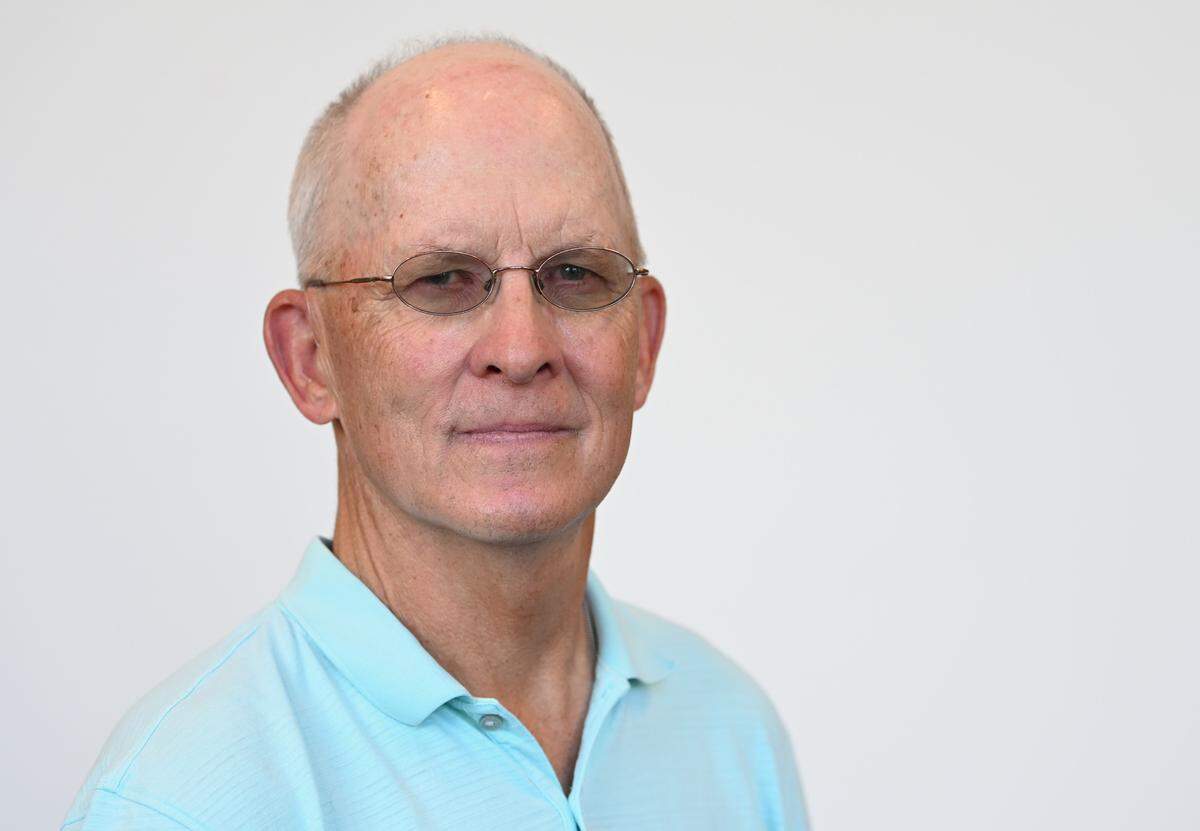
One of the judges, retired Mecklenburg Superior Court Judge Richard Boner, recalled a murder trial he heard against a UBN member in which a prosecution witness did not show up as scheduled.
After deputies brought the witness to the courtroom, he told the judge that he had been at a Freedom Road traffic light when a man appeared, put a gun to his head and told him he wasn’t going to testify.
On Tuesday, U.S. District Judge Frank Whitney, whose photo was also found in the FBI’s 2015 raid on the gang member’s cell, closed the book on the latest gang case.
He handed down life sentences to three of the defendants — Renaire Roshique Lewis, 26, of Shelby, Jonathan Wray, 29, of Lawndale and Dricko Dashon Huskey, 28, of Shelby — who all had been convicted of racketeering-related murder.
Two other defendants, Alandus Montrell Smith, 30, of Shelby, and Bradley Beauchamp, 32, of Fort Lauderdale, Fla., received 25 years for racketeering conspiracy along with drug and firearm charges. Whitney added 11 years to Beauchamp’s sentence for conspiracy- and wire fraud-related convictions.
Boner, who says he has carried a gun ever since his photo was found in the gang member’s cell, believes the years of arrests, convictions and lengthy prison sentences has damaged the gang — for how long remains to be seen.
“I would love to think they have been eradicated in Charlotte, but I think that’s optimistic,” Boner told the Observer after the sentencings. “They’re like a cancer. They continue to replenish and grow.”