
Drug probe leads deputies to the home of a top aide to Durham’s sheriff. What happened?
Shortly after noon on an overcast humid day in September 2019, Durham County sheriff’s investigators searched for evidence of drug-dealing in a two-story home in suburban South Durham. The search, at minimum, presented a potential public relations mess for the sheriff’s office.
Grace Marsh, who helped Sheriff Clarence Birkhead get elected the previous year, owns the home. After his victory, he hired her in a newly created position as his community engagement director.
The search warrants in the case said the suspect, Caleb Green, was dating Marsh’s daughter, staying overnight in the home, and had gone there after selling cocaine to a sheriff’s informant. Green was arrested that day. But seven months later, a Durham County assistant district attorney dismissed the case.
Under a court-ordered seal for only 90 days, the warrants never became public until The News & Observer began asking for them at the close of 2021. The county clerk of court said that was the result of a “harmless error.”
Two former members of the sheriff’s office involved in the investigation say supervisors wanted a tight lid on the case. One who left the department, a former lieutenant, said they weren’t even supposed to tell their partners on an FBI drug task force.
“As far as Ms. Marsh goes, we were just told no, point blank, you will not discuss this case with anyone,” said Clay Clark. He retired last year after being demoted to deputy with little explanation, he said, after 22 years in the department.
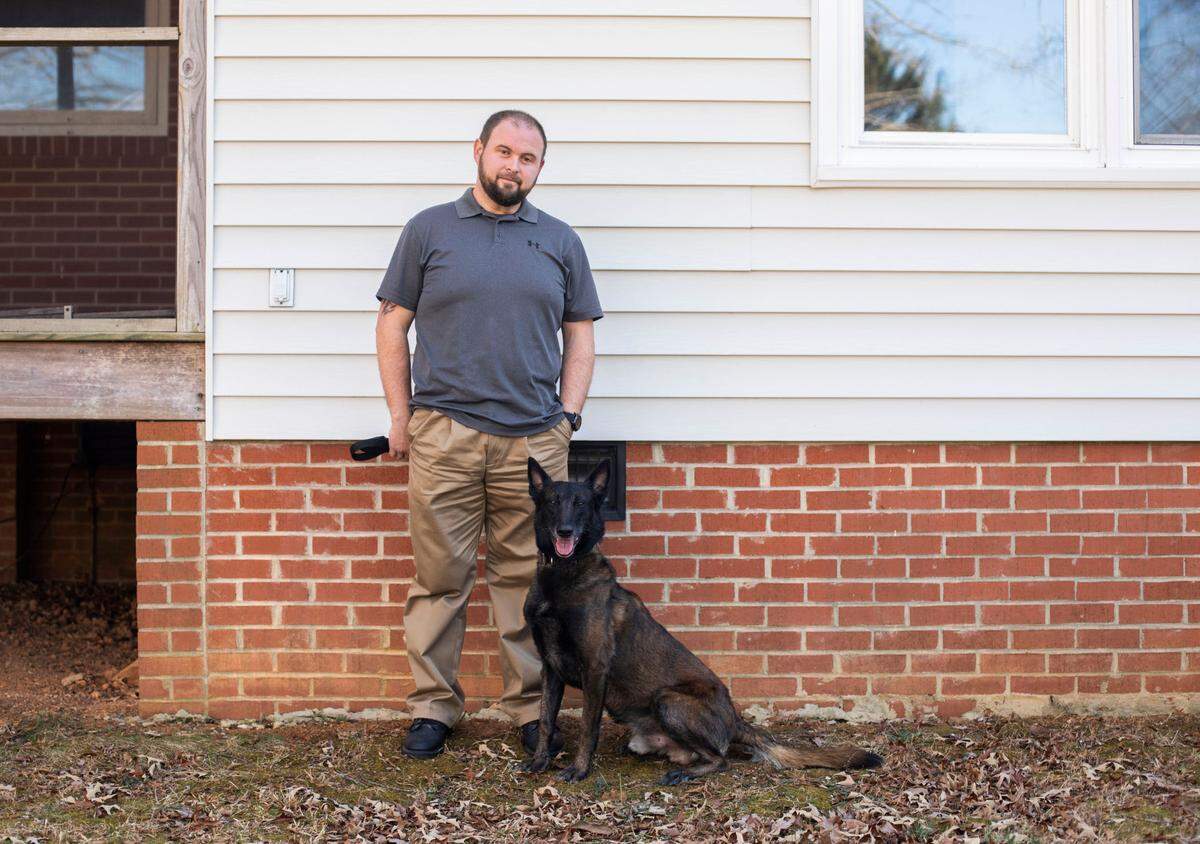
The other former sheriff’s employee, William Carson, who led the canine unit, said he became an unwelcome presence in the office after he voiced a concern during the search that he felt pressure from a captain to get out quickly. He said he was forced out five months later after serving with the department for nearly 16 years.
This month, Birkhead and Marsh declined to talk about the case. In an emailed statement, Birkhead said he could not discuss personnel matters and criminal investigations.
Drug sales, searches, an arrest
The sheriff’s department began investigating Green in July 2019, after a confidential informant told deputies someone nicknamed “K” was selling cocaine in and around Durham, according to the search warrants.
Detective Victor Buchanan set up a controlled buy between the informant and “K,” and later traced the vehicle “K” drove to Green. In controlled buys, police check to make sure informants have no cash or drugs, and then give them money to purchase drugs from a dealer. The purchases are observed by police at a distance.
Buchanan set up a second buy in early August. This time investigators followed Green to where he parked his SUV, across the street from Marsh’s home. Buchanan set up a third buy a week later.
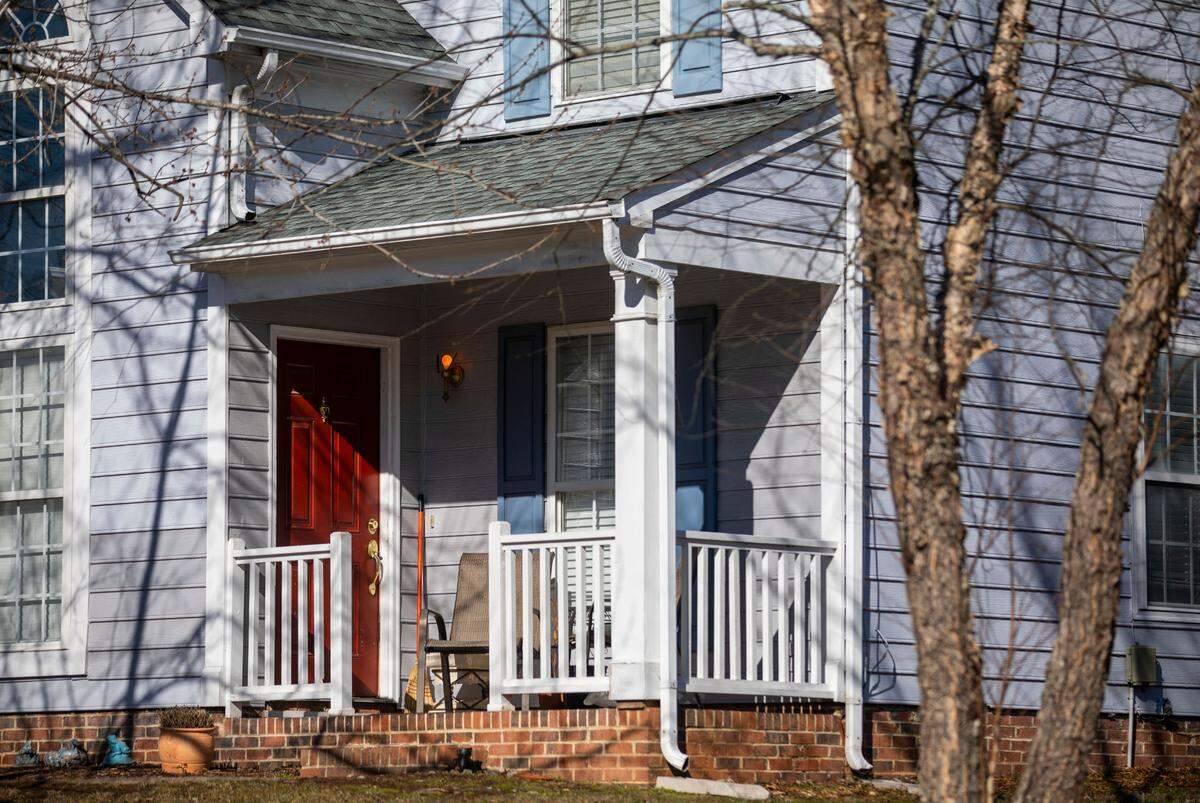
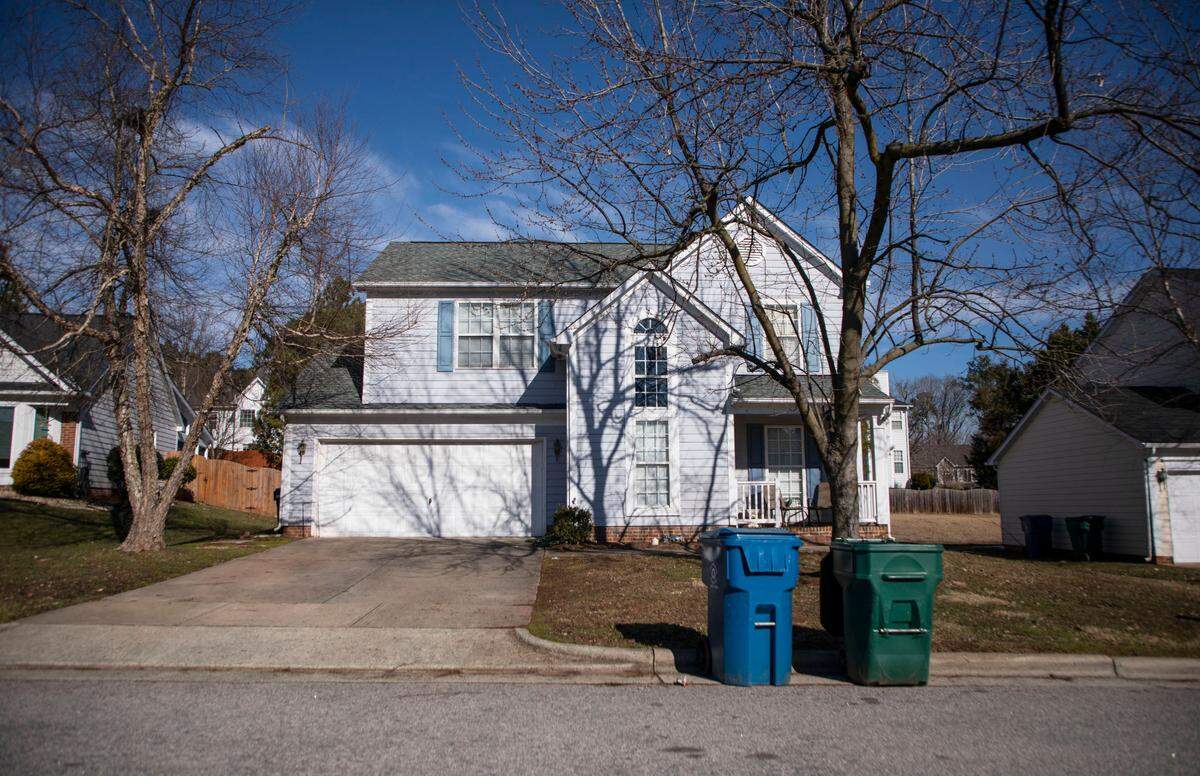
Buchanan then began surveillance of Marsh’s home in the Audubon Park neighborhood, where Green’s car was spotted parked across the street three more times. He also saw a younger woman in a white car exit the home. The car traced back to Marsh, and Buchanan identified the woman as Marsh’s daughter. The informant identified the woman as Green’s girlfriend.
On Aug. 21, Buchanan got permission from Superior Court Judge Orlando Hudson to place a tracking device on Green’s SUV. The next day, after another controlled buy, the tracker showed the SUV parked in the garage of Marsh’s home. The tracking device over the next several days repeatedly showed the SUV parked at or near the home overnight.
“Based upon all the facts listed within this affidavit, it has been determined that Green does in fact have care, custody, access, and control” of the home, Buchanan wrote in his request for search warrants on Sept. 3, 2019.
He also asked that the search warrant be sealed to keep Marsh from learning about the investigation.
“During the course of my physical surveillance I have observed the Durham County Sheriff’s Office employee’s vehicle at the residence along with Green’s vehicle,” Buchanan wrote.
“The Durham County Sheriff’s Office employee has access to both known and unknown databases or resources that could potentially jeopardize this case moving forward as well as the prosecution should this search warrant application, affidavit, and/or inventory of items seized form not be sealed,” he wrote.
State Superior Court Judge Jim Hardin, a former Durham County district attorney, signed the warrant that day, and sealed it for 90 days.
Clark, the former lieutenant, said he informed supervisors a week before the search that the investigation had found a link between the target and a sheriff’s employee, but Clark did not identify the employee to his supervisor, Capt. Jimmy Butler, until two hours before the search.
Clark said he requested to stay with Marsh and hold her cellphone, but Butler said he would handle it. Butler, who left the sheriff’s office last year, declined to comment.
Butler drove Marsh to the home so she could unlock it for the search, which turned up a small amount of marijuana and some “drug paraphernalia” in the bedroom of Marsh’s daughter and a second bedroom, Buchanan’s report of the search said. No drugs were found in Grace Marsh’s bedroom, his report said.
That same day, Deputy Hayden Gould pulled over Green – who lacked a valid license – in his car near Duke Hospital. Green had nearly $3,000 in a pants pocket, the deputy reported.
At the sheriff’s office, Deputy David Sebring reported taking Green to a men’s bathroom in the sheriff’s office to be strip searched. Green walked “straight to the trashcan” and threw something in it, Sebring said in his report.
Sebring immediately checked and found a clear plastic bag with what later was identified as nearly a half an ounce of cocaine on top of the trash. Investigators that day charged Green with felony possession of a controlled substance with intent to sell.
Prosecutors defend dropping charges
Adam Williamson, the assistant prosecutor who dismissed the charges against Green, in a brief interview said that he believed Green was guilty. But the strip search raised reasonable doubt as to whether the cocaine belonged to Green, Williamson said.
After reviewing footage from several video cameras of the courthouse and sheriff’s office that showed Green handcuffed from behind, he feared a jury might not believe he could have ditched the cocaine.
“His handcuffs were behind his back and empty,” Williamson said.
Williamson said there was no video in the bathroom where the strip search took place. Sarah Willets, a DA spokeswoman, later said there was no video showing the bathroom entrance, either.
He also said he spoke with Sebring and two other deputies about the strip search. The other two were behind Sebring when he walked Green into the bathroom, according to his report.

But Sebring in two phone interviews said he had no recollection of Williamson talking with him about the case. He stood by his report, and said Green wasn’t handcuffed from behind at the time of the strip search.
“Nobody asked me about where he was cuffed or even ventured into how he could have thrown it away,” said Sebring, who left the sheriff’s office in June 2020, two months after Williamson dismissed the case.
The DA’s office should release the video to show what happened, he said.
District Attorney Satana Deberry, who joined the brief phone interview with Williamson, said she stood by his decision.
She said she was “not aware” if the plastic bag was checked for fingerprints, a step that might have helped determine if the cocaine was Green’s.
Deberry declined to release the case file, citing public records law that exempts criminal investigation records. The law does give her the discretion to make the file public.
The Durham County sheriff’s policies include an ethics requirement that civilian employees keep their private lives “unsullied,” and “not bring discredit” to themselves or the office. The policies also include a general order that says: “Any conduct tending to bring reproach or discredit upon the member, the agency, fellow personnel, or their profession, may subject that member to disciplinary action.”
Deberry said she did not see a need to look into Green’s connection with Marsh, who the district attorney first met while Marsh was working for Birkhead’s election on the campaign trail, she said.
“This particular incident did not arise out of the search of her home,” Deberry said. “It was the result of a traffic stop.”
A former New York Police Department assistant commissioner who is now a college professor said the assistant district attorney had a legitimate concern given that the deputy did not see what was thrown into the trash.
Keith Taylor, an adjunct professor with the City College of New York’s John Jay College of Criminal Justice, also said that a law enforcement agency’s employee’s connection to a criminal suspect should be investigated internally.
If that was done in the Durham case, Birkhead should report to his officers and the public that the association didn’t compromise the office. If it wasn’t looked into, then it needs to be, Taylor said. Turning that over to an outside agency to investigate would generate more confidence in the outcomes, he said.
“Who wants to work in a place where you are worried that your colleague could compromise your investigation?” Taylor said. “Not many people would feel comfortable with that.”
The Durham sheriff is notified of criminal investigations and arrests involving agency employees, communications director David Bowser said.
Marsh, 72, makes $74,306 as one of four high-level administrators Birkhead added to his “command staff” after winning the 2018 sheriff’s election. She is the former executive director of the Elna B. Spaulding Conflict Resolution Center in Durham and lists a bachelor’s degree in criminal justice from N.C. Central University.
Her Facebook page shows she began promoting Birkhead’s campaign for sheriff as soon as he announced, and she continued through the election.
Birkhead, 61, who makes $164,017 as sheriff, ran on a platform of “transparency, accountability and engagement.” He has filed for re-election this year.
Green, 42, initially answered a reporter’s phone call, but the call ended when the reporter began asking about the investigation. He couldn’t be subsequently reached. His criminal record shows felony convictions for drug dealing in 2015, 2012 and 1998, and robbery with a dangerous weapon in 2004.
Sealed warrants
Judge Hardin’s order to unseal the search warrants in 90 days meant they should have been accessible to the public in early December 2019. They weren’t.
When The N&O inquired about them twice two years later – on Dec. 16, 2021 and Jan. 10, 2022 – clerks said they saw no search warrants for that address.
On Jan. 11, after a reporter asked to interview Birkhead, Marsh and Buchanan, sheriff spokeswoman Breen said another judge had unsealed the warrants that day. That was unnecessary. Under state law, the warrants were public after 90 days.
Initially, Archie Smith, Durham County’s clerk of court, didn’t acknowledge the warrants should have been made public. In a followup interview, he said his office made a mistake, “a harmless error,” in keeping the warrants from public view and apologized. He said he did not know the case involved a sheriff’s official.
Smith blamed the mistake on the North Carolina court system, which relies on decades-old computer technology and has no “tickler” system for clerks to make warrants public when a judge’s seal expires. Two years ago, a coalition of North Carolina news organizations found that lack of a tracking system was a widespread issue in courts across the state.
The N&O interviewed several former Durham sheriff’s members, including Birkhead’s predecessor, Mike Andrews, who Birkhead defeated at the polls, about the Green case. They said it has helped foster an environment of distrust among some within the agency. Andrews said he is not running in the upcoming election.
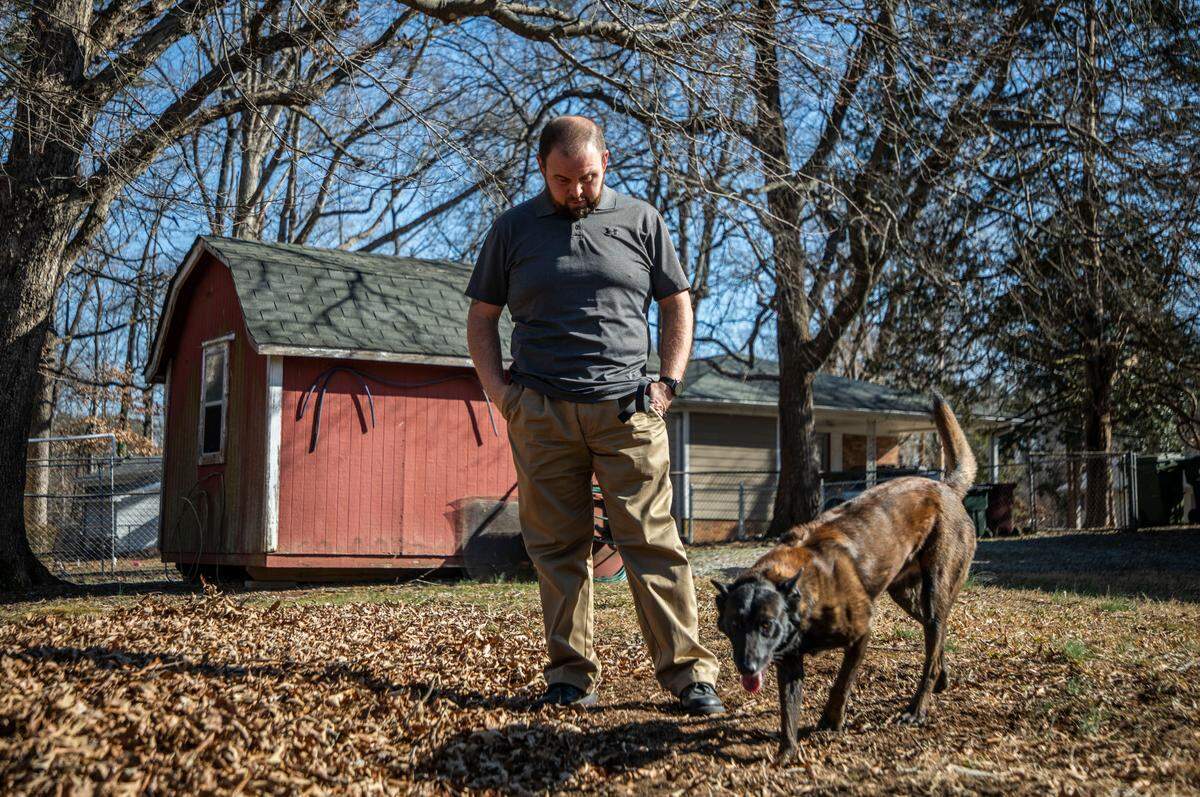
Carson, the sheriff’s deputy who resigned on Feb. 17, 2020, five months after the Green case, said Chief Deputy Brad Whitted forced him to resign after he got angry with Creedmoor police over a teenage male who he had reported selling drugs across the street from his parents’ home in Creedmoor.
His tip drew little response, he said, and he became angered when his mother called him and said she had just seen two armed men pull up, pistol-whip and kick the teenager while she stood at her mailbox across the street. He berated two Creedmoor officers who later responded, and subsequently filed a complaint against them.
The Creedmoor department complained to the Durham County Sheriff’s Office, Carson said. Its internal investigation found Carson’s actions, which included profane language, to be unfit for a deputy.
Carson had his case reviewed by the North Carolina Criminal Justice Education and Training Standards commission, which certifies police officers. The commission voted on Nov. 19, 2020, to find “no probable cause” that Carson lacked the “good moral character” to be a police officer, according to a commission letter he provided.
Carson now works for the Oxford Police Department, where he was recently promoted to corporal.
News & Observer reporter Virginia Bridges contributed to this report.
This story was originally published February 11, 2022 at 6:00 AM with the headline "Drug probe leads deputies to the home of a top aide to Durham’s sheriff. What happened?."