Customer-service policing making an impact, but it’s no ‘overnight fix,’ CMPD chief says
Charlotte-Mecklenburg Police Chief Johnny Jennings wanted his customer service initiative to make police interactions feel like Chick-Fil-A. Trust in police, he said, was at an all-time low.
Some said the initiative was a waste of money.
Jennings told The Charlotte Observer in April 2021 he hoped the initiative would help defuse existing tensions with the public, make interactions safer, and boost officer morale and public support.
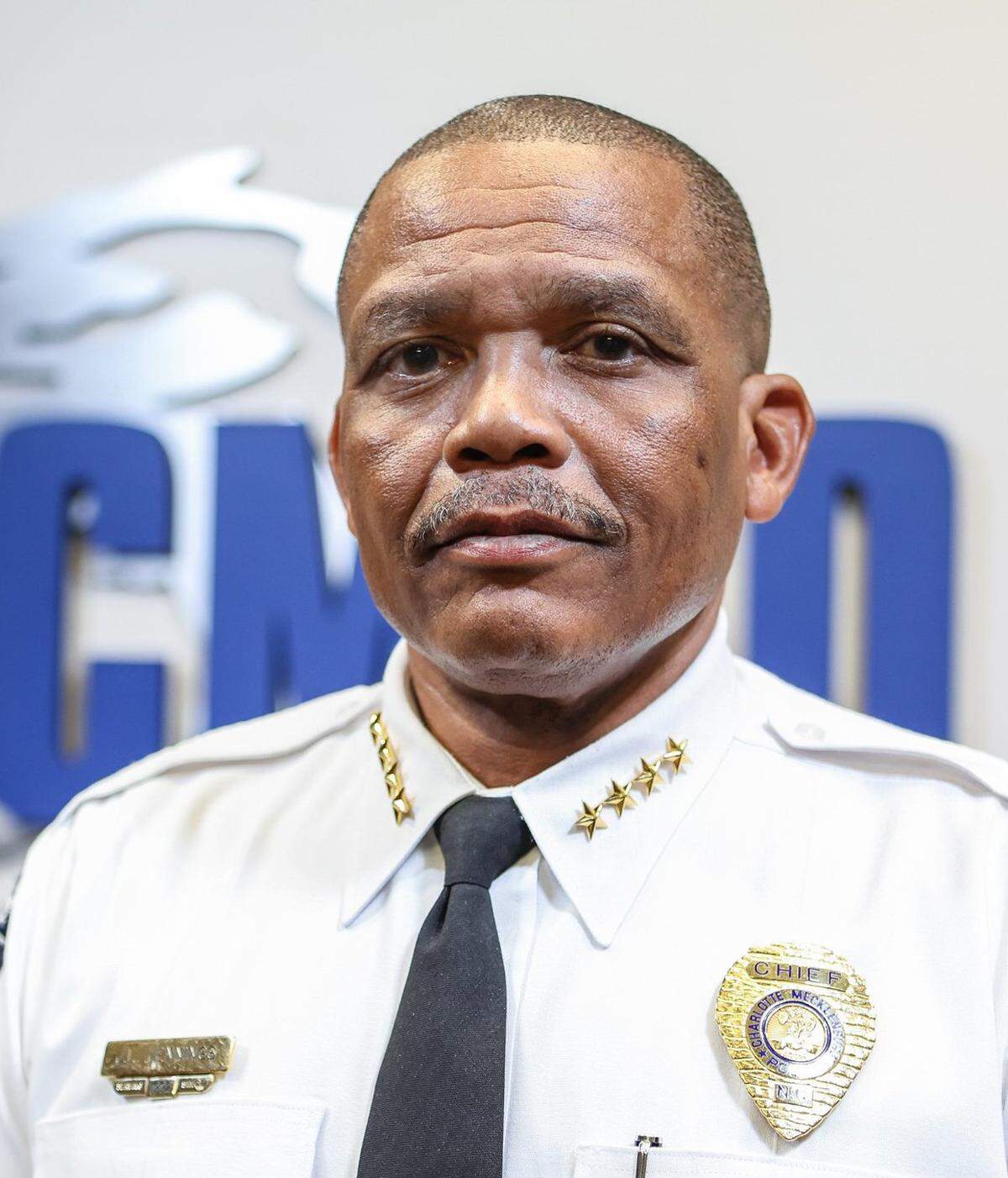
A year later, Jennings thinks the initiative, now called CMPD Serves, is having an impact.
With help from The DiJulius Group, a Cleveland-based national consulting firm, CMPD developed a first-of-its-kind training program to introduce his officers and the city to the idea of customer-service-based policing.
Jennings spoke with the Observer last week about the initiative, the early criticism, and what’s next. His responses have been edited for brevity and clarity:
Q: When this initiative was launched, you faced some criticism from the Fraternal Order of Police, its members and officers. Have you overcome this criticism?
A: I think a lot of people have gotten to really get a good grip of what the training is all about and what we’re trying to accomplish. And a lot of the feedback has been that when they go through the actual training, their expectation of the training is totally different from what actually they get out of it, and it’s been positive as people go through it and finish through.
Q: What have community activists said about the training?
A: I’ve gotten a lot of good, positive feedback from community activists. I’ve heard anywhere from ‘it’s about time’ to ‘thank you for doing this.’ ... I’ve really not had a lot of anything that’s been negative coming from some of the activists that I’ve been in touch with and talked with. So, that gives me a positive view on it that maybe this is something that we truly do need in law enforcement today.
Q: Can you tell me some of the specific ups and downs you have seen over the past year?
A: A lot of the ups and downs have been just the unwillingness internally for people to accept it, and a lot of it was basically because they had no idea what the program was about. And as you tried to explain it, and the more criticism that came in, those were some of the points to where you really felt like, “OK, is this really something we want to keep pursuing?” ... And, you know, I had a good group of people around me that had been involved in the creation of this and the development of this, that they were passionate about it just as I was and gave (me) the motivation to push through.
So the ups came from when we started having people go through the training and started getting that positive feedback. And people wondering, like, “What was all the uproar about?” “This was it? We need this.” And also people going in with taking a critical stance about having to do the training, and then coming out and wanting to be a part of the training. And so we had some of our biggest critics of it now saying, “Hey, I want to help teach this, this is what we need.”
Q: Where do you think some of the unwillingness to accept the program came from, aside from not knowing the specifics of the training?
A: I think you have a handful of people that really came out that were really against it and just against the concept. And as those people have those voices, and the negativity, the voices of negativity, kind of overrode everything else. So a lot of people that were hearing the negative of it started jumping on that same bandwagon and making those comments themselves. But I also caution ... that it sounds like there was a lot of negativity when there wasn’t. It was a small group of a few people that were vocally negative about it and that turned into a lot of people being cautious of how they want to accept this training. So for the most part, I think the majority of people were accepting and the majority of people said, well, let’s see what this is all about before I make a judgment on it. And then as we started getting through the training ... a lot of people started to see that this was something that was important.
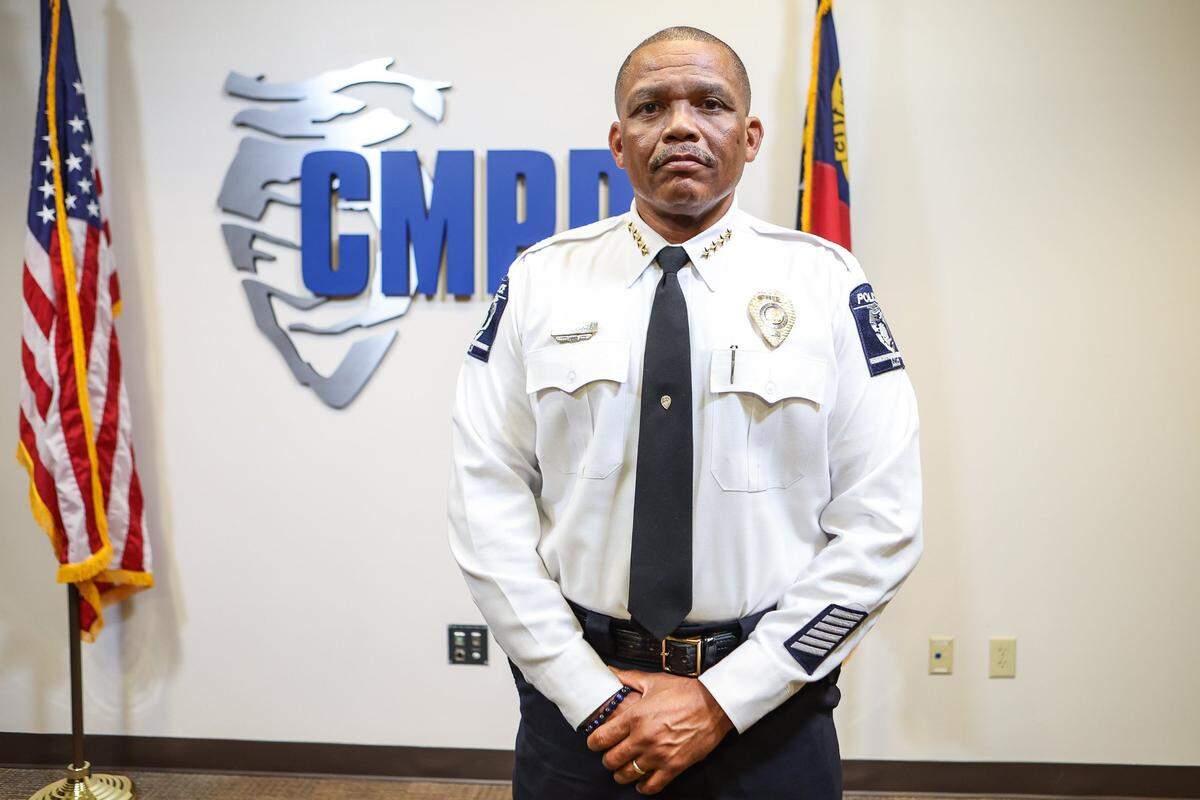
Q: I know that you and others have spoken about some push back in the community, and how some people are unwilling to come forward to police about certain crimes when they’ve seen something. Do you think this initiative will help?
A: I think it does help. I think it’s a matter of time, though. This is not an overnight fix to anything. Over a period of time, once we build that trust in the community, we’ve done a lot of work to build trust in the community over the last, you know, several years and decades within CMPD. However, we’ve never really looked at how do we treat people on an everyday basis ... And if you can treat people in a fashion to where they see you as a human being, and not just a show of force, ... then I think once people see you in that light, they begin to have more trust in you as well as your profession. And once we can accomplish that ... I think you’ll see a whole lot more cooperation with the public coming to police with information.
Q: Where are you going with this initiative? What do you see its future as?
A: The future is not written yet. So what I see is a continuation of this being something that is embedded in law enforcement for years to come. As you look across the country now, you start seeing law enforcement use the term “customer service” a whole lot more in their initiatives and in their training. ... As we look forward, I see more chiefs understanding that customer service is part of what we do, and customer service is something that will take our profession to a whole other level. But it’s not a matter of “let’s get through these phases and we’re done.” This is a continuation just like community policing was in the 1990s.
Q: In the past few weeks, your officers have been shot at. How do you balance that, and what they face on the streets, with implementing customer service in the community, and what do you say to them?
A: It’s tough because officers, they face these dangers every single day, and they need to know that their police chief understands that and that their police chief stands with them. What we have said from the beginning, that CMPD serves does not mean that we have to stand in the line of danger, and put ourselves in harm’s way CMPD serves is mainly focused on that 97, 98% of contacts that we have externally, that have nothing to do with arrest or have nothing to do with the use of force. It has to do with the people that we are dealing with when they’re victims, when they’re in a car wreck, when we’re writing a citation, when we have voluntary contacts, that’s what we’re talking about. And there’s also implementation that you can use even when you make an arrest, and when you do have to use force on an individual. But we never want at any time during the training, (to) compromise any safety of our officers.
This story was originally published July 13, 2022 at 6:00 AM.