Fact check: Will drug dealers target kids with fentanyl-laced candy this Halloween?
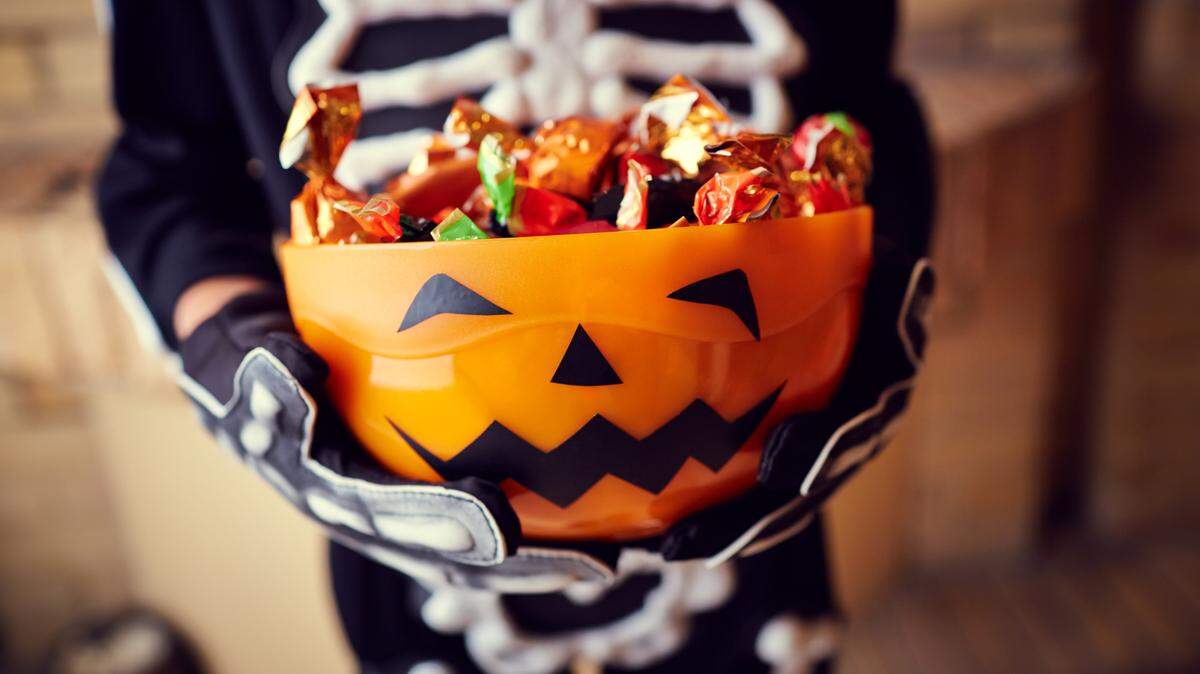
Unfounded rumors circulating on social media of colorful fentanyl pills being provided to children while trick-or-treating have some parents concerned as Halloween approaches.
The brightly-colored fentanyl pills -- sometimes referred to as “rainbow fentanyl” -- are being targeted to adults and children, according to a news release from the U.S. Drug Enforcement Administration.
“...This trend appears to be a new method used by drug cartels to sell highly addictive and potentially deadly fentanyl made to look like candy to children and young people,” the DEA stated.
Though the DEA did not specifically mention Halloween in its warning, some parents believe their kids could be exposed to the deadly drug while they’re out trick-or-treating.
Fentanyl is a synthetic opioid used to treat severe pain that is 100 times more potent than morphine, according to the Centers for Disease Control and Prevention.
In 2020, more than 56,000 deaths involving synthetic opioids occurred in the U.S., including nearly 2,300 in North Carolina, according to the most recent data available from the CDC.
Has fentanyl been found in candy?
Despite the DEA’s warning, experts don’t believe drug dealers are disguising fentanyl as candy to target kids this Halloween.
Drug traffickers have used bright colors in their products for years “to distinguish their products from other products on the street,” Dr. Sheila Vakharia, the head of research for the Drug Policy Alliance, a nonprofit working to end the war on drugs, told NPR.
Drug policy experts say dealers would not market fentanyl to children due to the risk of harsh criminal penalties and their lack of access to cash to buy the drug, NPR reported.
Although candy packaging has been used to smuggle fentanyl into the U.S., it does not mean traffickers want to distribute the drug to children, TODAY reported.
“These drugs…were hidden inside of something to try to avoid detection,” Dr. Ryan Marino, an addiction medicine doctor at Case Western Reserve University School of Medicine, told TODAY. “The use of candy packaging does not signify that these are being passed off as candy, and certainly does not imply that the drugs someone is going to lengths to smuggle would then be given away for free rather than sold for profit.”
How to make sure Halloween candy is safe
The U.S. Food and Drug Administration recommends telling your children not to eat anything that isn’t commercially wrapped.
Parents should also inspect their child’s candy for signs of tampering and throw away anything that looks suspicious, according to the FDA. For young children, choking hazards like gum, peanuts, hard candy and small toys should be removed, the agency says.
This story was originally published October 24, 2022 at 2:37 PM with the headline "Fact check: Will drug dealers target kids with fentanyl-laced candy this Halloween?."