
Was cop wrong to shoot man fleeing Charlotte airport parking deck? A jury may decide.
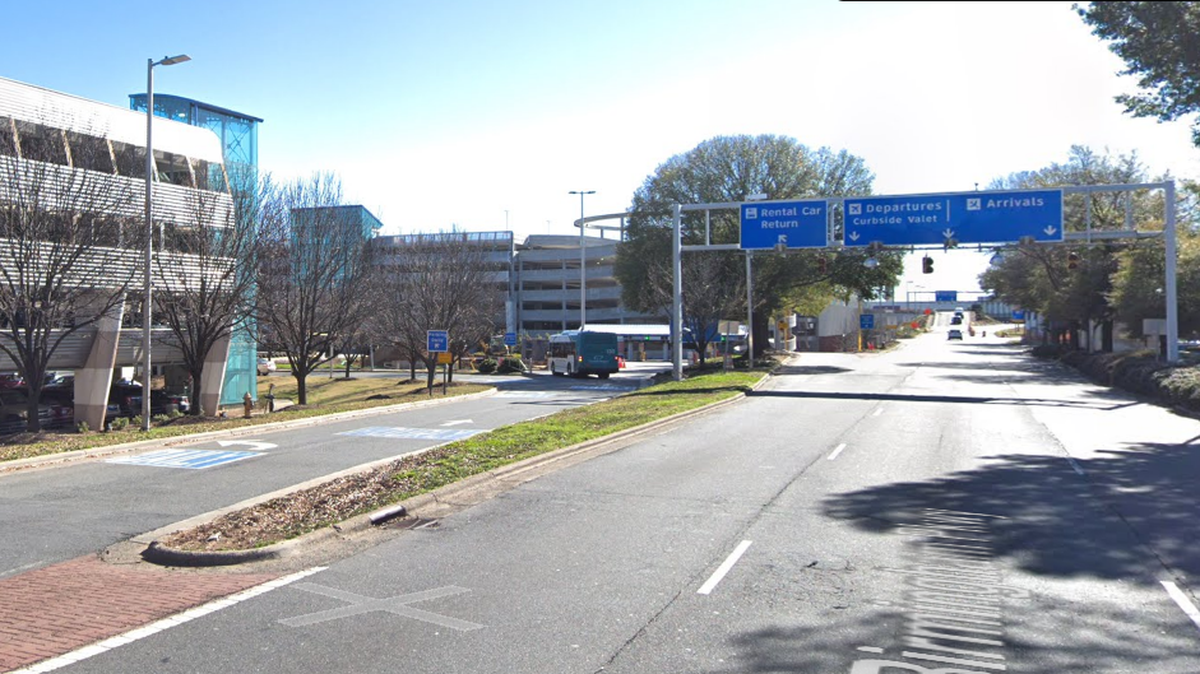
The case against a police officer who shot a fleeing but unarmed driver is cleared to go to trial more than five years after the shooting in a Charlotte airport parking deck.
The lawyer for the man who was shot argues the Charlotte-Mecklenburg Police officer was wrong in firing two rounds at a driver who refused to stop but otherwise posed no danger. The car was moving as the officer fired into the driver’s side but the man’s lawyer contends video from the incident shows the officer wasn’t in harm’s way.
A federal judge last week refused summary judgment — by request of the officer and the city of Charlotte — on much of the man’s lawsuit, which includes a claim of excessive force by law enforcement.
The man — Xyavier Calliste, who was 20 at the time — was injured in the shooting and drove himself to the hospital.
The officer — Xeng Lor, a CMPD patrol officer assigned to the Charlotte Douglas International Airport division — has said he fired two shots at Calliste because he believed he might run him over. He’d been an officer for 18 years and this was the first time Lor had fired his gun on duty, court records show.
In an interview, transcribed in court records, the officer says he tried to back-pedal from the suspect car’s direction and he heard the engine “rev” just before it jumped a curb.
Lor was initially responding to a trespassing call after a driver entered an employee parking area without permission.
At the time Calliste was shot, he had a warrant for his arrest on a domestic violence charge in South Carolina but Lor didn’t know that, court records show. Calliste, in an interview later with detectives, said he’d gone to the airport parking area to “let stuff die down” after the fight with his girlfriend and Rock Hill Police looking for him.
CMPD had been called to an employee parking deck at the airport on the night of July 31, 2018 after a car reportedly driven by Calliste was seen “piggybacking” an authorized vehicle through the gated entry point. A parking garage worker saw a suspicious vehicle quickly following another vehicle into the restricted area. That’s referred to as “piggybacking.”
In the garage, Lor spotted the vehicle reported by the worker. He tried to stop the car by using sirens and blue lights, court records show. Calliste didn’t stop. Instead of chasing him, Lor posted up near the garage exit and waited, both sides agree.
At the exit, Lor got out of his car to stop another vehicle that was about to leave the garage.
Calliste, in his car, was approaching from behind.
While his lawyer acknowledges he was attempting to “leave the scene,” Calliste never posed a direct threat to the officer, his lawsuit claims.
To get around Lor and the stopped car in front of him, Calliste drove his car off the side of the pavement and into a grassy area to get out of the parking area.
The police officer — shouting for Calliste to “get out of the car” — began firing within seconds.
Lor and his lawyer argue he acted quickly in response to a potential threat. He couldn’t “outrun” the car, Lor said in a deposition. “It was coming too close — still coming straight at me,” the transcript shows. But Calliste maintains he didn’t know the officer was standing nearby.
Police officers often are granted “qualified immunity” in use of force cases, like shootings. But the legal defense won’t apply if the officer is judged to have acted outside the bounds of what is “reasonable.”
In Calliste’s case, his lawyer says it was unreasonable to shoot at a fleeing car in a trespassing investigation once the vehicle was moving away from potentially hitting anyone.
Lor has argued he believed he was still in danger at the time he fired shots.
“Even as the front bumper of (Calliste’s) car passed Officer Lor, Defendant Lor believed he was in immediate danger of death or serious bodily injury,” reads part of the court record, citing the officer’s deposition interview.
Body-camera and other video footage have not been publicly released and were sealed by the court in February, public records show.
In ruling on the summary judgment motion, U.S. District Court Judge Max Cogburn said Calliste’s lawyer had provided enough of an argument to warrant trial.
“Taking the facts in the light most favorable to Plaintiff, the Court finds a genuine dispute of material fact as to whether Defendant’s use of deadly force violated Plaintiff’s Fourth Amendment rights,” he wrote.
In the same order, Cogburn agreed to dismiss part of the case against another CMPD officer accused of “false arrest” in Calliste’s case. Cogburn wrote there was no evidence that that officer — a detective — aimed to “fabricate a justification for Officer Lor’s use of force” by arresting Calliste.
Charges against Calliste, including a charge of assault against a government officer, were dismissed soon after he was shot, court documents show. But, Cogburn ruled, Calliste had no grounds to sue the city or CMPD officers for malicious prosecution or obstruction of justice, which were dismissed by last week’s order.
Calliste’s lawyer says the shooting arose simply over a “minor offense of trespassing” and Calliste “was not suspected of committing any crime inside the parking area” when Lor encountered him.
Lawyers for the police officers involved submitted records showing Calliste told detectives later he was under the influence of alcohol at the time of the shooting. He had warrants connected to a police chase in Rock Hill from earlier in the night, court records show. That chase, according to public records, took place after his girlfriend reported Calliste had assaulted her.
This story was originally published October 2, 2023 at 11:10 AM.