To keep plane parts cheap, Boeing lured small Charlotte firm into buyout, suit alleges
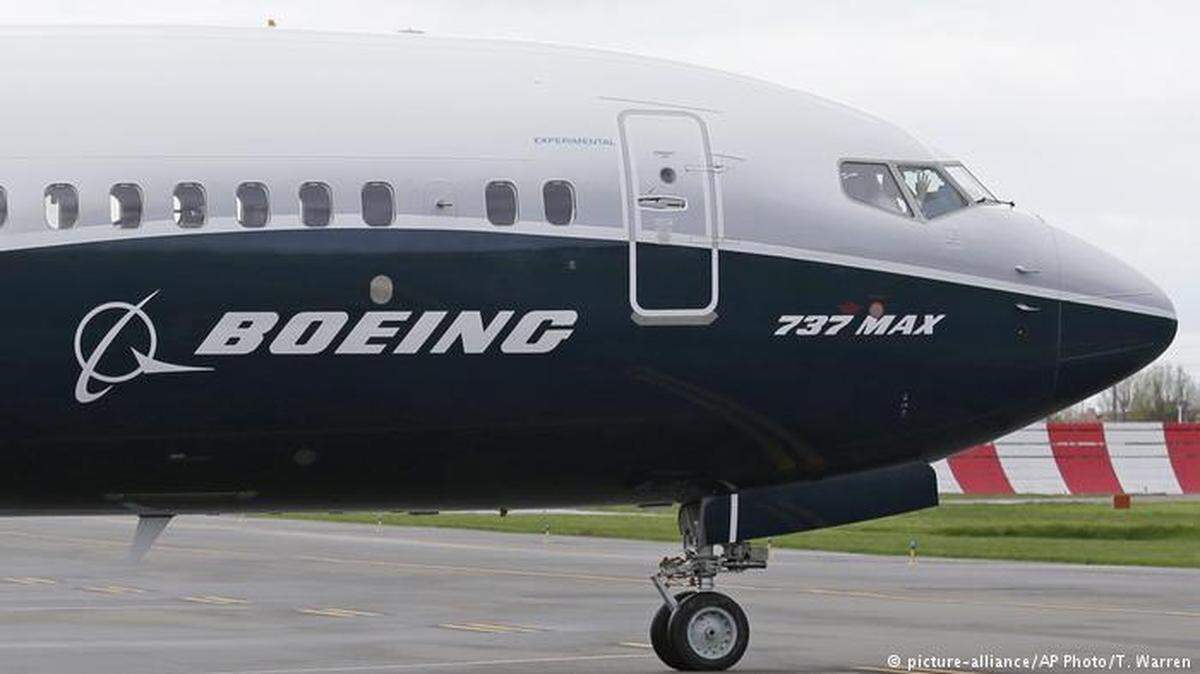
As production and safety concerns hover over Boeing’s plane assembly, a parts supplier is alleging issues with the multi-billion-dollar company begin soon after contracts are signed.
A year-and-a-half after Boeing sued a Charlotte-based investment firm, the firm filed a counterclaim, accusing the airplane manufacturer of “conning” it into a “lopsided” contract that drowned the company in production costs, according to the suit filed in early February.
Boeing in 2022 alleged Ten Oaks Management tried to cause “serious injury” to Boeing when it bought Astech — the “sole supplier of parts critical to the manufacture of Boeing 767 and 747 (military) airplanes” — and halted production.
Ten Oaks Management claims Boeing lured it into bailing out the floundering parts supplier while withholding information about what that would mean financially.
Boeing’s recent, plentiful problems with parts suppliers are due to “a relentless drive to cut costs at the expense of quality and reliability,” Ten Oaks wrote in the complaint, filed in Charlotte’s U.S District Court for the Western District of North Carolina.
The Federal Aviation Administration, following fallout from a faulty part that caused a hole to erupt in the side of an Alaska Airlines airplane during a flight in January, declared Boeing’s quality-assurance issues unacceptable.
Boeing’s contract with Astech
In 2012, Boeing entered a contract with Astech — a Delaware parts supplier for the Boeing 767 and military tanker KC-46 Pegasus. That contract set prices until 2028. It also set Astech up to lose while selling to Boeing, the suit alleges.
When Astech threatened to close its business if Boeing didn’t start paying more, Boeing in March 2022 began working with Ten Oaks, a Charlotte-based small family office with around 50 staff members that invests generational wealth.
Boeing’s complaint names Ten Oaks’ co-founders Matthew Magan and Michael Hahn and executive operating partners Andrew Lovrovich and David Richeson.
The group alleges Boeing led Ten Oaks down a deceptive path in a last-ditch effort to buy time and keep low prices.
The “sophisticated, global Goliath,” knew what it was doing, the complaint alleges, because it had done it before.
In reality, Boeing was the only beneficiary of the “sweetheart deal,” Ten Oaks said in the complaint. It left Astech — now under Ten Oaks — drained and filing for bankruptcy by July 2022, according to court documents.
When Astech and Ten Oaks moved to terminate its contract with Boeing two months after filing bankruptcy, a legal battle ensued.
Now, back-and-forth docket entries show allegations of fraud from both sides.
Boeing vs. Charlotte family firm
Boeing claims it was “held hostage” by Ten Oaks when the firm used a “bait and switch” tactic to demand three times the price agreed upon in its contract, which set low exhaust kit prices through 2028.
Boeing says Ten Oaks promised to improve the quality of the aircraft parts Astech produced while keeping its newly acquired company afloat with an $18 million line of credit.
Ten Oaks claims Boeing intentionally concealed the extent of Astech’s issues, including the owner’s plans to close the business if Boeing didn’t fork over more money for the parts.
In 2022, Astech lost $120,000 on each exhaust kit it sold to Boeing and $92,000 each for other parts.
Boeing in 2022 said Ten Oaks was “well aware of the price terms” and had a “full opportunity” to assess Astech’s profitability before buying it.
Ten Oaks, two weeks ago, blamed Boeing, claiming it “knew that this disparity was not sustainable.”
Asking Ten Oaks to save the struggling business was just an attempt to “keep its preposterously low-price supply chain for many months longer than it would have as a direct result of the acquisition,” the suit said.
This story was originally published February 14, 2024 at 10:03 AM.