‘El pueblo salva al pueblo’: How Carolina Migrant Network fought Border Patrol
When pictures of a Border Patrol caravan en route to Charlotte started circulating online, the team at Carolina Migrant Network stopped what they were doing, hugged each other and cried.
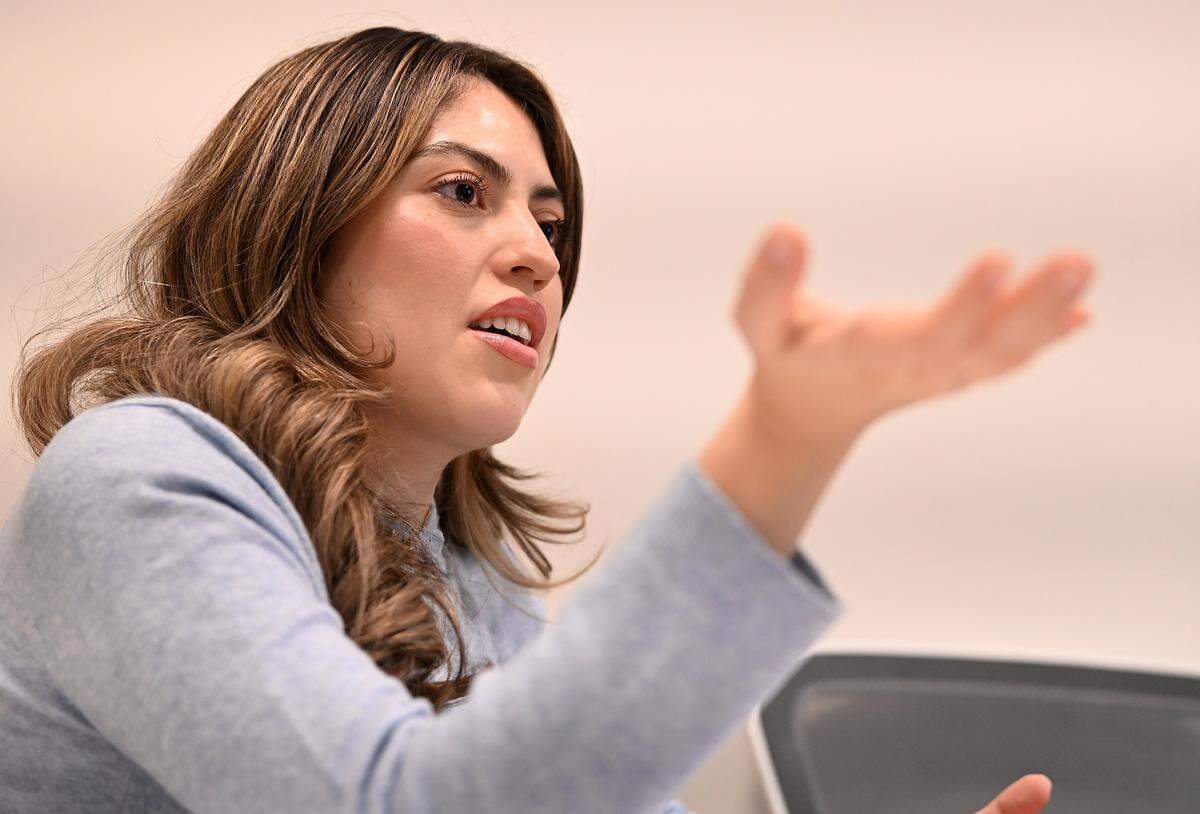
“We knew that it was going to be the hardest weeks — we didn’t even know if it was going to be months — for our community,” said Daniela Andrade, the nonprofit’s communications director.
Having grown up in the city, they mourned the people who were about to be taken away, she said.
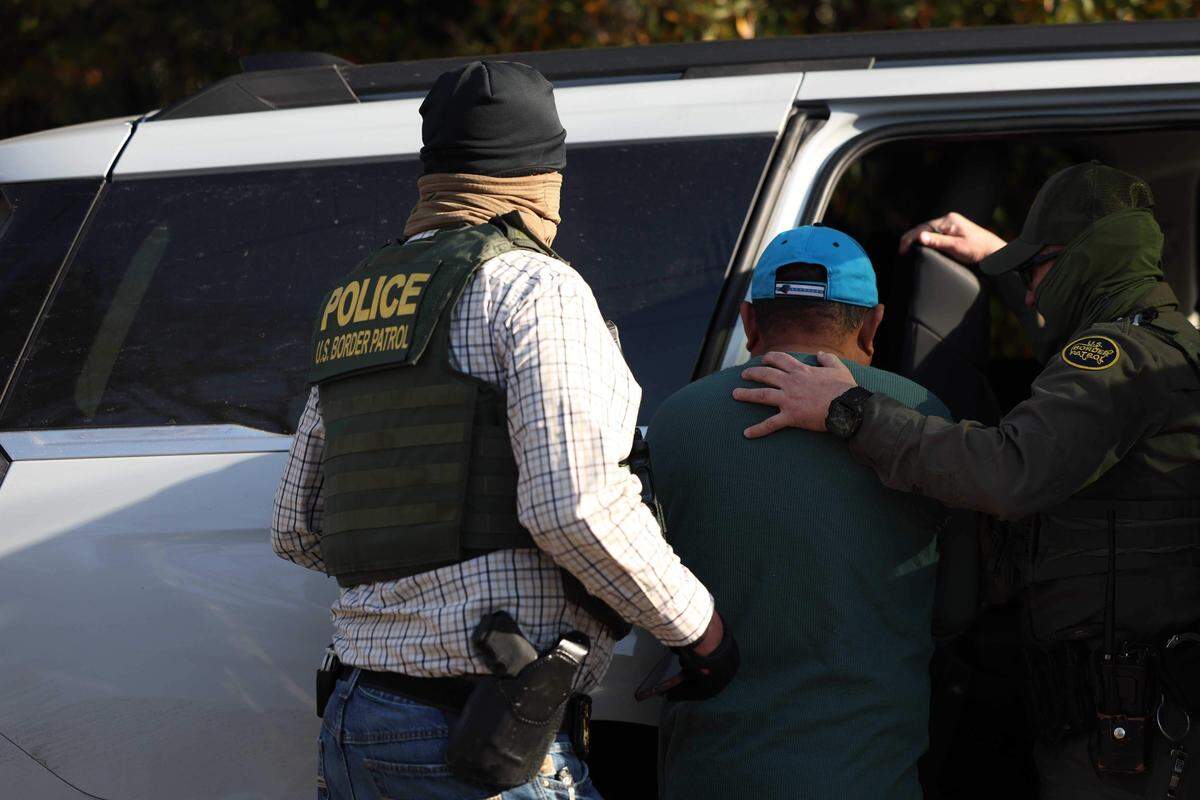
In a five-day operation, which started Nov. 15 and was called “Charlotte’s Web,” Border Patrol agents got into high-speed car chases, ran with guns into a supermarket and smashed a United States citizen’s truck window before taking his keys, among other controversies. Fearful Charlotteans hid for days. Some are still afraid to go outside.
The U.S. Department of Homeland Security, which oversees Border Patrol, said hundreds were arrested. But it has provided inconsistent figures and few names. The operation is part of an immigration crackdown under President Donald Trump.
East Charlotte, the South Boulevard area and Pineville — all places with large immigrant populations — were frequent targets. Agents stopped people at big box stores and in parking lots. They entered private property, too.
Throughout those five days and after, Carolina Migrant Network’s updates were a lifeline for many.
With help from the community, its eight-person team fielded calls, verified agents’ locations and posted their whereabouts. They are still connecting people arrested with attorneys at little to no cost, or representing them in-house.
Now, with more people in Charlotte paying attention, they hope the community will continue organizing.
A small team versus the federal government
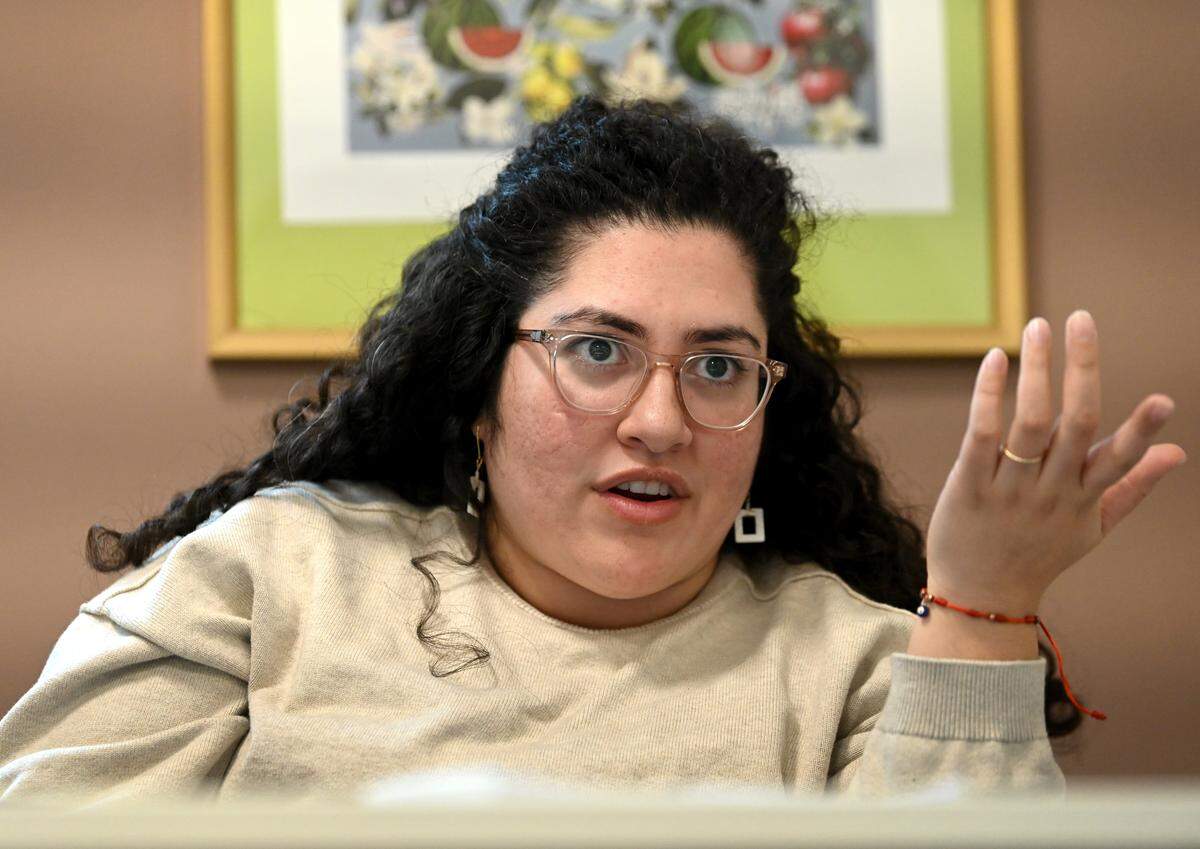
On Nov. 15, the day “Charlotte’s Web” started, 200 calls flooded in to Carolina Migrant Network’s hotline, Director of Strategic Planning Mary Jose Espinosa said.
Just four days later, she and another employee had fielded 900 calls. They worked from around 6 a.m. to 9 p.m., waiting at night for a lull in reports to signal that Border Patrol was finished for the day.
On the other end of the line, people described masked agents breaking windows, arrestees having medical emergencies and more. On Facebook, loved ones begged for help finding their family members.
“We also got a lot of nasty calls from people that were really against what we’re doing, spreading the hateful rhetoric that we’ve seen all across news and media… The work is already hard enough when we’re talking to folks that are in crisis, that are terrified,” Espinosa said.
Though Carolina Migrant Network had been around since Trump’s first term, and though there were a series of high-profile Immigration and Customs Enforcement arrests in Charlotte this spring, nothing could truly prepare them for what happened last month, Co-Executive Director Stefania Arteaga said.
“How do you prepare for the federal government, literally, coming to destroy your city?” she asked.
State, local officials were mostly quiet
Little help came from state and local government, too, Arteaga said.
She gestured to a Nov. 18 resolution passed by Mecklenburg County’s board of commissioners, which sat on her desk. It said in part that “racial or ethnic profiling is unacceptable, unlawful, and inconsistent with constitutional guarantees.”
“Papers aren’t going to save us,” Arteaga said.
When news broke of Border Patrol’s impending arrival, Gov. Josh Stein said they would be welcomed with “open arms” if they targeted drug traffickers and violent criminals.
Stein later recommended that Charlotteans record their interactions with Border Patrol and document abuses. He asked DHS Secretary Kristi Noem questions about her agents’ tactics in a letter.
(Noem so far has ignored the letter, governor’s office spokesperson Olivia Weidie said in an email on Monday.)
Mayor Vi Lyles was largely uninvolved, too, but issued statements on social media.
“Our strength as a city comes from our unity and our shared commitment to one another,” she said in a Nov. 17 statement.
‘The community saved itself’
Without help from the government, Charlotte looked out for itself, the team at Carolina Migrant Network said.
“What we saw was, literally, the same phrase we use, over and over: ‘El pueblo salva al pueblo,’” Arteaga said. “The community saved itself. Mutual aid networks is what showed up, and is what proved to be the saving grace.”
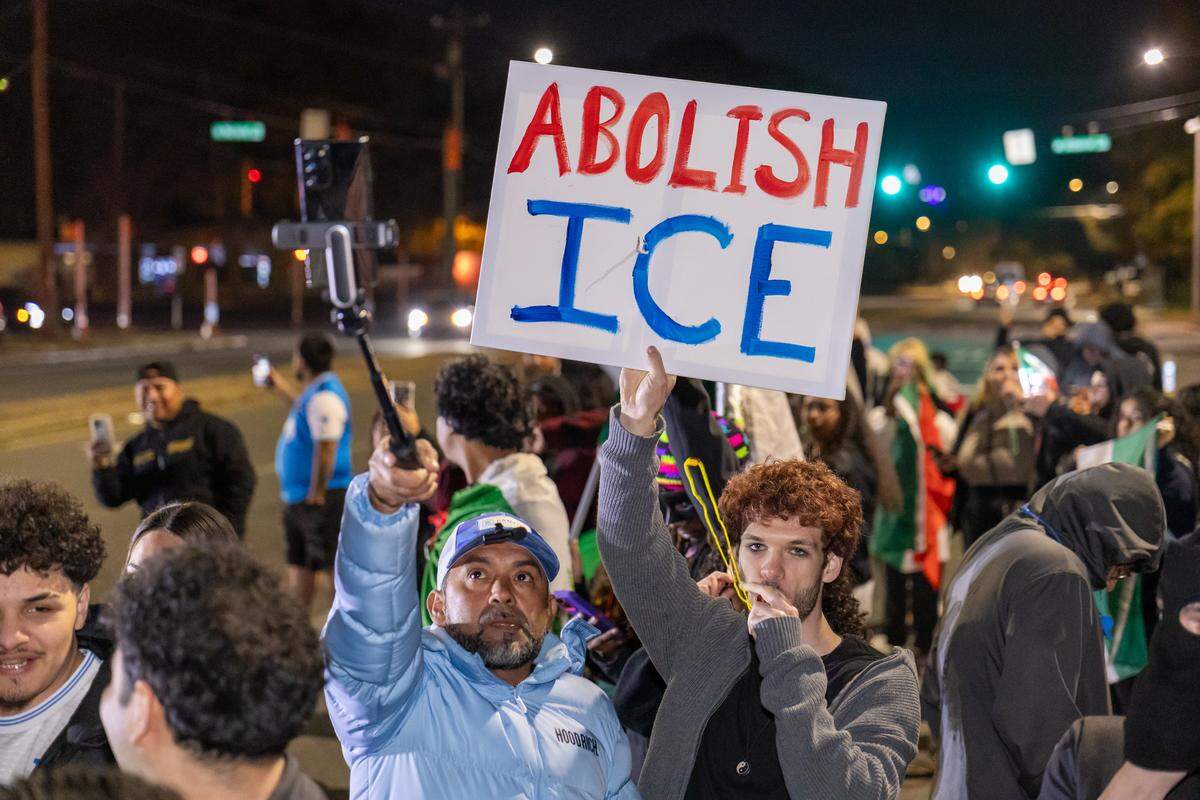
Across Charlotte, people followed Border Patrol and screamed at them, blew whistles to alert others to their presence and protested by the thousands. Neighbors took out trash for those in hiding. A tow truck company moved vehicles of people arrested at no cost.
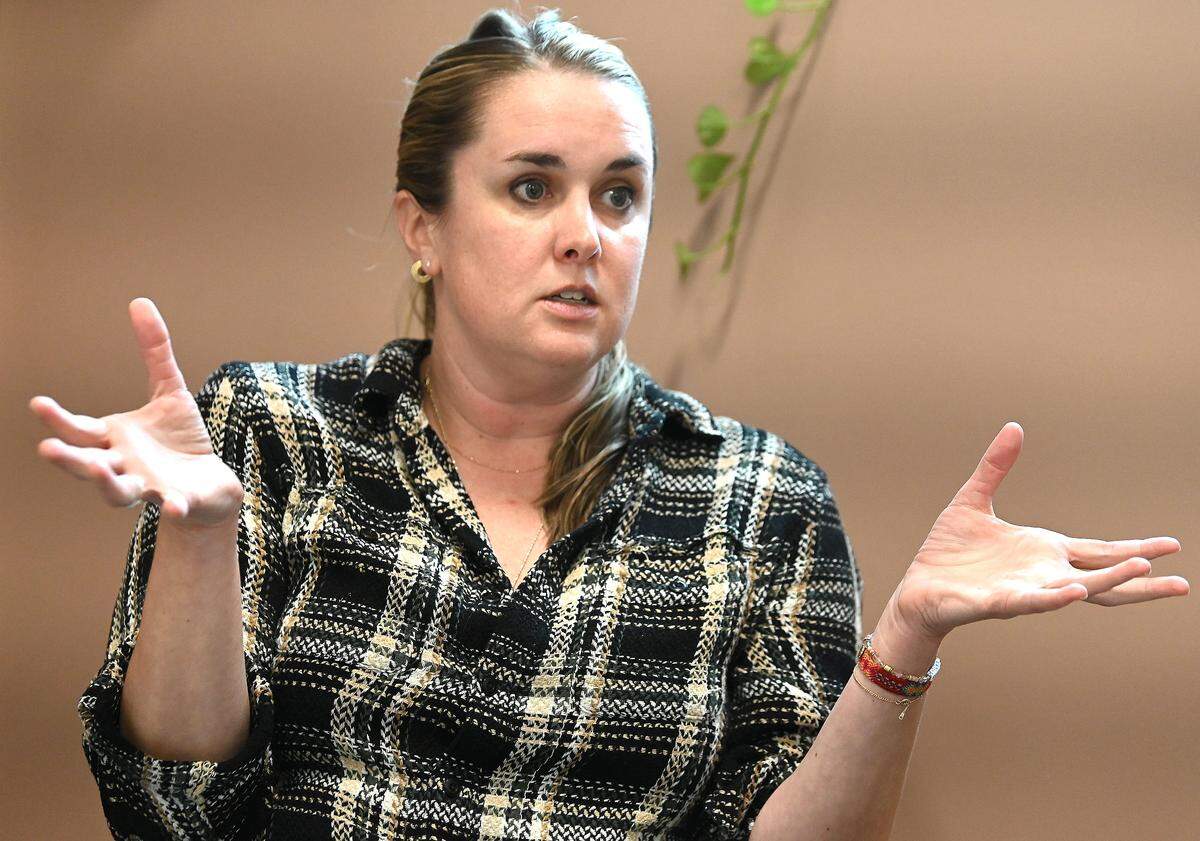
“A lot of people kind of drag Charlotte,” said Co-Executive Director and attorney Becca O’Neill. “I think Charlotte can be a sort of vanilla city, or there’s something about it, and people are surprised that this exists. But it’s not surprising to me because this is my hometown, and I know that there are people — like everyone who works here — who care about protecting this city, doing things for the city.”
In a week-and-a-half, Carolina Migrant Network trained nearly 700 “verifiers,” Espinosa said. Those people took reports of federal agent sightings from the hotline, tracked the agents and let the nonprofit know what they saw.
Then, Carolina Migrant Network posted verified sightings to social media. The alerts let many know where they would be safe.
“Thank you, my brothers and sisters,” a typical comment, written in Spanish, said on a social media post announcing that federal agents had been sighted in Huntersville’s Huntington Green neighborhood on the second day of “Charlotte’s Web.”
Work is personal for team
Carolina Migrant Network started in 2020, during the first Trump administration, after Arteaga and O’Neill met at a different organization.
The idea: Legal services were often “gatekept,” and something should be done about that, O’Neill said.
Immigration court is civil, not criminal, and people facing deportation are not legally entitled to an attorney. Carolina Migrant Network is one of the few nonprofits that fills that gap and offers representation at little to no cost.
In 2022, it absorbed its sister organization, Comunidad Colectiva, which trains young people to advocate against anti-immigrant policies.
Staffers were directly affected by those policies at some point in their lives, they said.
Zamara Saldivar, who directs operations for the group, remembered helping her parents navigate “the system” in a new country.
Andrade recalled translating for her parents, and there being few resources for them in general.
“It’s something that’s always been around me, and has led me here,” said Director of Strategic Planning Mary Jose Espinosa, whose parents are from Mexico originally.
As a preteen living in Massachusetts, Arteaga saw what federal police could do to a community, she said. When George W. Bush was president, she said, agents “completely swept” her town at the time in a workplace raid.
“My family lost their home after that raid in their town,” she said.
Throughout an hourlong interview, the group returned often to one thought: If their experiences growing up affected them so much, how would kids in Mecklenburg County turn out after Border Patrol’s weeklong operation?
“This is generational trauma that people are going to have to deal with,” said Arteaga.
‘This work is killing me’
While the close-knit team was quick to dole out praise for Charlotte and each other, there wasn’t much joy in knowing that, to some, they were hometown heroes.
To them, they said, it did not feel that way.
O’Neill is representing people kept at Stewart Detention Center, a detention facility that is at capacity in Georgia, she said. There, people that the government wants to deport sleep on the floor, get woken up at 3 a.m. to eat breakfast and receive subpar medical care, she said.
They are almost 400 miles from their families and friends, she noted.
Saldivar said that her fear has sometimes turned to anger and resentment.
“Why is this really happening in 2025… Why are people so mean to other people because of what they look like?” she remembered thinking when “Charlotte’s Web” was underway. “And now I fall under that category. I could be a target simply because I’m speaking to my daughter, in Spanish, at Food Lion.”
Federal agents even stopped by the team’s Shamrock Drive office multiple times, they said. No one was there when it happened, but they took it as an attempt at intimidation.
Arteaga’s five-month-old daughter started having trouble sleeping the week Border Patrol came to town, she said. She has been especially mindful of what’s happening now that she has a daughter. She went into pre-term labor with her after the spring’s ICE raids, she said.
“I’ve known for a while that this work is killing me, and it was interesting living through this now, because my child’s health outcomes is a direct result of the work that I do, because I have lived under so much ICE activity in my life,” she said.
They’ve all been somewhere between too depressed by the circumstances and too busy with the work to feel especially good about what they’ve done, they said.
The common sentiment: It shouldn’t be this way, anyway, but they would do their part to push back and help the community.
“I just want people to know that we tried our best, and we tried our hardest,” said Andrade, the communications director.
Ryan Oehrli covers criminal justice in the Charlotte region for The Charlotte Observer. His work is produced with financial support from the nonprofit The Just Trust. The Observer maintains full editorial control of its journalism.