NC’s college campuses expect to reopen in the fall, but they could look different
As college students and faculty are finishing up the spring semester online amid the coronavirus pandemic, university leaders are planning for what their campuses might look like in the fall — with the hope that they will be bustling again.
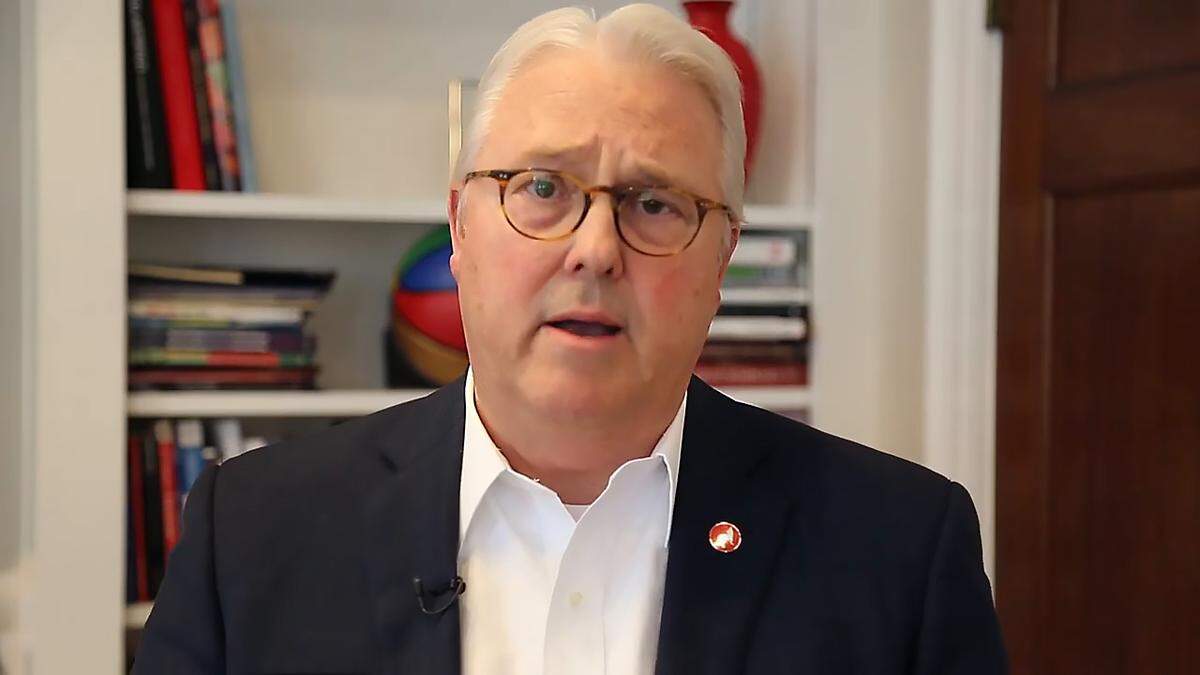
“I expect to reopen our campuses for the Fall 2020 Semester and look forward to welcoming our faculty and students back to their classrooms and labs this fall,” UNC System interim President Bill Roper said in a statement Wednesday. “To do so, we are working closely with our chancellors to chart a course forward.”
Roper said the system’s individual chancellors will have flexibility to determine next steps on campus and off and they will be able to put “unique precautions” in place to protect students, faculty and staff.
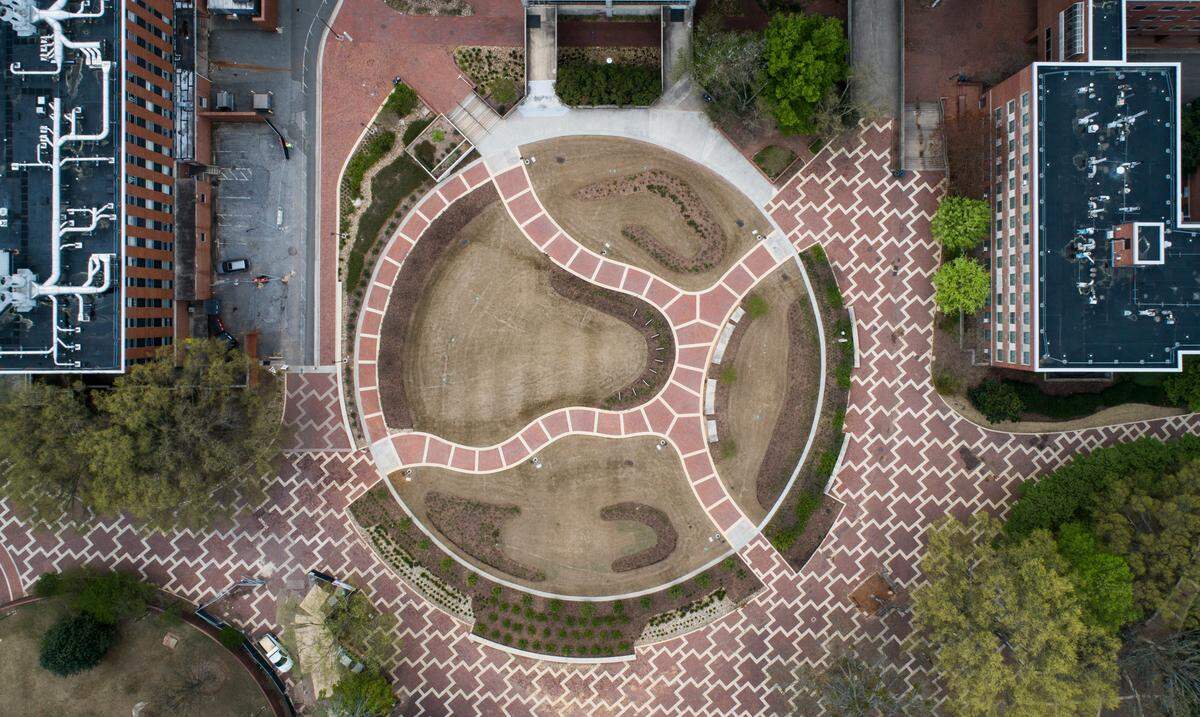
N.C. State University Chancellor Randy Woodson said his university expects a “normal fall opening” with all 36,000 new and returning students on campus in August. But N.C. State is preparing to adjust for how COVID-19 might force schools to offer something different, including a fully online semester.
“We can plan for all sorts of scenarios, but at the end of the day the virus is going to control a lot of what we do,” Woodson said.
That could mean an environment where students practice social distancing, class sizes are reduced and faculty alter their classroom instruction. The situation could also affect the way the school prepares residence halls and on campus dining options. Woodson said the “worst case scenario” is that the university remains online.
“We fundamentally believe the best educational experience is a residential, fully-engaged experiential learning process,” Woodson said. “Our hope is to get back to that as quickly as we can.”
It is a bit early to make any decisions, as the the state is still under an executive stay-at-home order, Woodson said. But what the fall semester looks like will be based on the conditions of the COVID-19 pandemic at the time and follow restrictions set by Gov. Roy Cooper or the UNC System.
UNC System expects to reopen
In his statement about the UNC System on Wednesday, Roper said, “Some institutions might consider staggered or shortened academic calendars, while others may take action to reduce student density in campus housing and classrooms. Our plans will ensure that students and parents have the tools they need to stay fully engaged with their home institution, safely and with confidence.”
In addition to advice from national and local infectious disease experts and state leaders, decisions will be based on infection rates and North Carolina’s testing and treatment capacity, Roper said.
“Our efforts to mitigate the pandemic’s threat have been successful because our actions in March were swift and comprehensive,” Roper said. “The continued success of our effort now depends on approaching our next moves forward with caution, optimism, and precision.”
Testing and a vaccine will be key
By the fall, North Carolina will likely be able to track student exposure and have access to the tools, materials, and supplies that can help minimize the virus’s threat, according to Roper. But without a vaccine, the virus is still a threat to campus.
“Until a vaccine is developed, many members of our community may not be able to risk teaching or attending in-person classes,” Roper said. “The UNC System recognizes the needs of our faculty and staff; our older, non-traditional students; or the members of our community with underlying health concerns. We must and we will consider steps to protect these vulnerable populations.”
Testing will be a critical part of the equation if students return to campus, Woodson said. The university needs to be able to quickly test and isolate a student who is experiencing symptoms and then trace who they interacted with and try to limit further spread.
N.C. State will likely have some residence halls remain open and available if students need alternative housing for quarantine, Woodson said.
When it comes to sports, the NCAA controls and sets guidelines for the constraints around a season and defines the timeline for coaches and student athletes to practice and compete. Woodson expects conferences to determine how the season will play out based on those rules and the conditions of the universities and states. That could mean a later start to the season, fewer games and restricted travel.
“It’s hard for me to imagine that the university is not open, but yet we’re playing football,” Woodson said. “And the last thing we’re going to do is put a student athlete’s health at risk by asking them to compete before they’re physically prepared to.”
A different campus experience
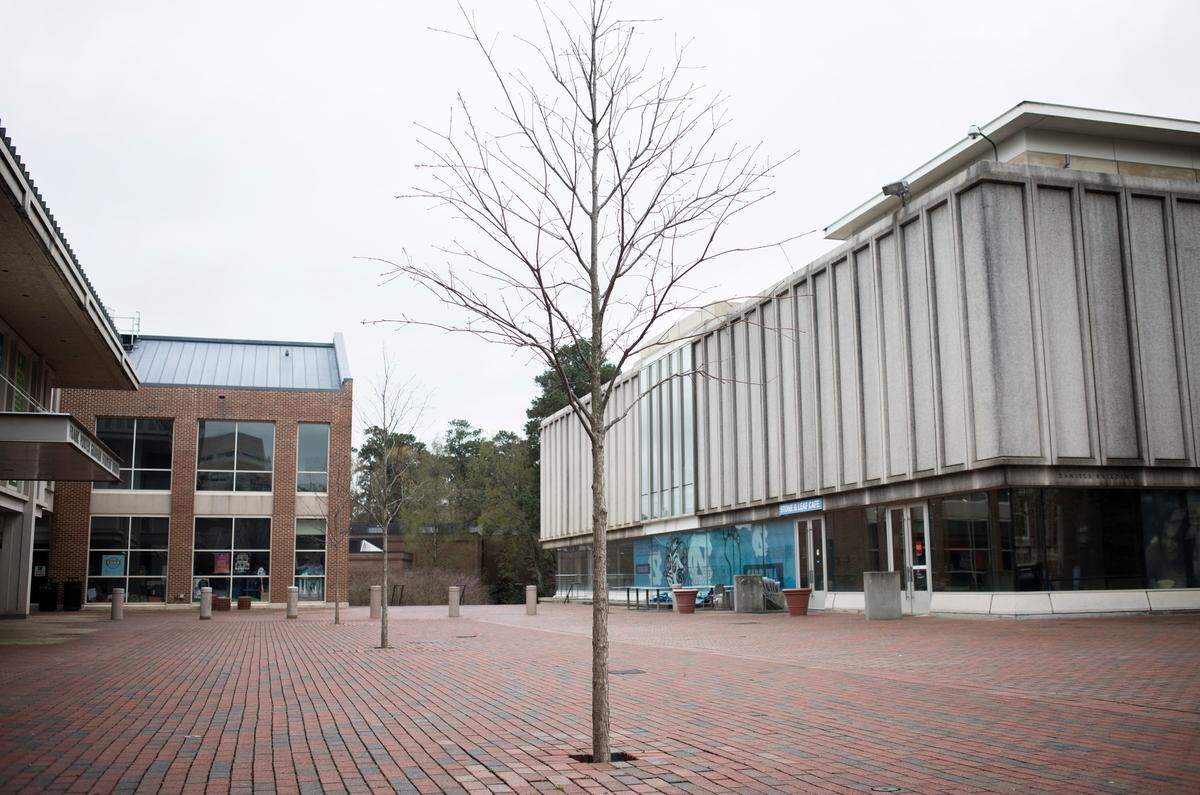
UNC-Chapel Hill Chancellor Kevin Guskiewicz said his university also is optimistic that classes will be in session on campus in mid-August, but it may look and feel different than a typical Carolina fall semester.
“We recognize how stressful this has been and continues to be for our current students contemplating their fall plans on campus,” Guskiewicz said in an emailed statement. ”And, we also know how stressful this has been for our incoming Class of 2024 who have had their high school senior year derailed, Carolina orientation moved to an online experience and now face an uncertain start to their four years at Carolina.”
There’s no exact plan yet, but Guskiewicz said UNC is considering a variety of options with guidance from UNC faculty who are some of the “world’s most trusted infectious disease experts.”
Those faculty members are working with UNC’s leadership team on a daily basis to analyze different scenarios and help the university make decisions regarding campus operations, according to Guskiewicz.
“I’m kind of scared about what next fall might look like,” UNC junior Chris Suggs said. “I want to be on campus.”
Suggs, 19, is the president of the Black Student Movement and was recently elected the senior class president for next year. Leading campus organizations and hosting student activities are his identity and he thrives in a communal environment, which has made this spring difficult with so many cancellations.
“I had so much to look forward to and to have all that taken away was really saddening and heartbreaking for me,” Suggs said. “It’s taken a toll on my motivation or even just get out of bed some days.”
Now, he’s trying to think about how to make sure the COVID-19 crisis doesn’t take away all of those campus experiences, connections and community moments next year. Suggs said engaging the student body will be hard from a distance, but he knows safety is the priority.
“We’re going to adopt some unique strategies to bring people together even if we’re not able to be physically together,” Suggs said. “I don’t want any students having to go back to an environment where ... we’re now putting our health in jeopardy.”
If campus remains closed, Suggs will be secure in his apartment in Durham with financial help from the Carolina student impact fund. He could handle online classes as long as professors consider students living across the nation and facing difficulties in their personal lives, financially and emotionally.
“Campus is really a safe place and a haven for some people,” Suggs said. “Having your own dorm room or apartment on campus is really important for some people who may be in unsafe or challenging environments at home.”
A range of options at Duke
At Duke University, university leaders are making plans for a range of options that includes “everything from business as usual to no business at all,” Duke spokesman Michael Schoenfeld said.
He expects the outcome to be somewhere in between and where that is will depend in part on public health, legal and regulatory guidelines. And there won’t be a blanket solution or protocol.
“What might work for a transition for a residential undergraduate environment in which people are living and working together and going to school together may be very different from a business school or law school or laboratory,” Schoenfeld said.
Part of the plan also takes into account the likelihood that it will be very difficult if not impossible for non-citizen international students to come to campus.
Duke President Vincent Price convened two working groups to assess options given the circumstances. One is focused on the immediate crisis and this upcoming fall and the other is considering how these circumstances affect what Duke may look like in 2030.
There’s a lot of uncertainty, and Schoenfeld said Duke does not anticipate having any clarity about fall plans until the middle to end of June.
“We’re trying to predict a future that, so far, nobody is able to predict,” Schoenfeld said.
The uncertainty makes planning a very perilous exercise but also an exhilarating one, Schoenfeld said. The lessons learned during the transition to online learning over the past few weeks will shape what the “Duke experience” looks like and the future of higher education.
.JPG "RAL_032720_NCSUaerials_JMW_08 (1).JPG")
Is a fully online semester good enough?
It was a remarkable feat for hundreds of thousands of students and faculty across the UNC System to transition to a full online curriculum in less than two weeks. And recent data suggests it helped minimize the spread of COVID-19, according to Roper.
The switch was a “necessary and invaluable step,” but digital learning is not a long-term substitute for the facilities and community that UNC System campuses provide, Roper said. The libraries, labs, classrooms, and medical and agriculture facilities are necessary for and students’ and professors’ research, teaching, learning, and service work.
The switch took ingenuity, flexibility and resourcefulness to navigate the new technology. But some faculty agree it’s not sustainable.
Hans Kellner, an English professor and chair of the N.C. State faculty, called it an “emergency mode of teaching.” He said they’ll have to do more than adapt face to face courses to Zoom, which he said students and professors found to be a “very difficult and limiting kind of technology.”
In one class, Kellner opened up a video meeting to see a student’s skillet and pancake batter being poured in it. He’s heard about students who get in their cars and drive to the parking lot of a Starbucks to get a stronger internet signal. He also had one student who tested positive for coronavirus and wrote him an email apologizing for missing an assignment.
Kellner has learned a lot from how this semester played out and will be spending more time this summer planning the syllabus so that it can be switched to the emergency mode easily.
“When you’ve been doing this for almost 50 years, you get set, you know who you are and what you have to give and that will always be the template,” Kellner said.
But this fall Kellner could end up teaching a different kind of course and one that will likely incorporate more video.
Lloyd Kramer, a history professor and chairman of the UNC-CH faculty, is also planning two formats for teaching and ordering course materials that will be accessible for students. But he’s concerned about the quality of classroom experience if it’s online in the fall.
“In the spring, this happened very suddenly, but at least people had already established relationships with their students over two months,” Kramer said. “It’d be very different to start every class cold without knowing the students.”
Teachers thrive on the give and take of classroom conversations, the body language during a lecture and casual conversations with students in the hallways or in line at a coffee shop.
“So much of what I do as a teacher and what I love about teaching can’t be replicated simply on a computer screen,” Kramer said.
At the graduate level, classes are oriented toward sustained lab work and archival and library research, which Kramer said faculty are concerned about because it can’t just be done online. It also poses challenges for disciplines like music, studio art and the performing arts.
“All of these kinds of subjects can’t really be taught or explored very effectively just with a Zoom image,” Kramer said. “Nobody has a $10 million lab in their basement, especially if they’re a student living with their parents.”
And the education that students and families are paying for is much more than classroom instruction, Kramer said.
“Education is an experience that for our students includes everything from participation in campus activities, study abroad, to social interactions with people from other parts of the country, other parts of the state and other parts of the world,” Kramer said. “And you cannot create that online.”
This story was originally published April 28, 2020 at 7:30 AM with the headline "NC’s college campuses expect to reopen in the fall, but they could look different."