Charlotte-Mecklenburg Schools creates team to monitor monkeypox as students return
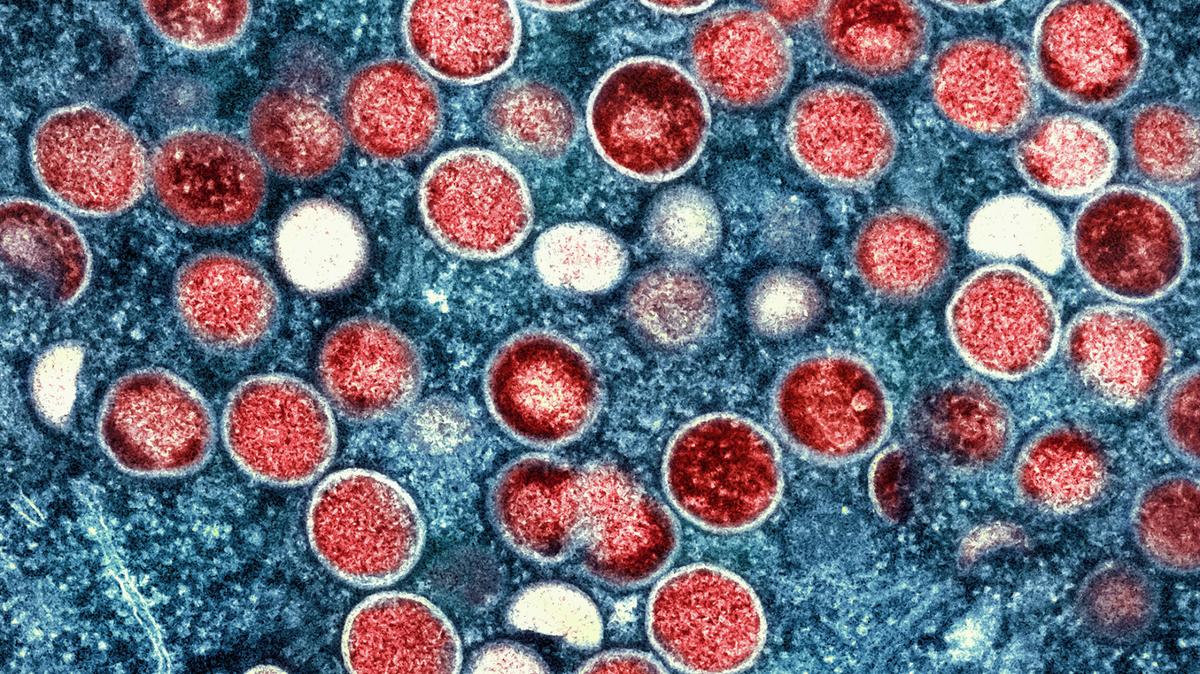
Charlotte-Mecklenburg Schools announced Friday that it will create a monkeypox response team to monitor the virus’ spread.
Eve White, CMS executive director of communications, said the team includes herself, members from the coordinated school health staff and representatives from Mecklenburg County Public Health. The team will follow Mecklenburg County Public Health guidelines, White said.
Charlotte-Mecklenburg Schools classes start Monday.
“We are providing awareness information for our families as school starts next week and staying in close touch with county health experts to monitor this (virus),” White said.
There were 265 confirmed cases of monkeypox in North Carolina on Friday, according to the Centers for Disease Control and Prevention. That includes 115 in Mecklenburg County — a 92% increase since Aug. 8 — according to the Mecklenburg County Health Department.
Mecklenburg County health officials also confirmed six monkeypox cases required hospitalizations and the first juvenile case in a patient under the age of 18 last week, the Observer reported.
Wash hands, surfaces
The monkeypox virus can enter the body through skin-to-skin contact with the rash, scabs, or body fluids of an infected person or saliva and respiratory droplets of an infected person during intimate, face-to-face contact, according to Mecklenburg County Public Health.
Symptoms can include a skin rash anywhere on the body, fever, chills, exhaustion, muscle aches, headache and respiratory symptoms.
Local health officials recommend practicing the following to protect yourself and others:
▪ Avoid intimate contact, including sexual contact, with anyone who has symptoms.
▪ After physical contact with someone whose status you don’t know, wash your hands and any surface the person touched and avoid touching your face.
This story was originally published August 26, 2022 at 12:28 PM.