Mecklenburg activist group meets with CMS to pitch book-rating system in schools
A review committee and rating system are solutions to controversial books circulating in school libraries and classrooms, the leader of a conservative activist group told Charlotte-Mecklenburg Schools officials.
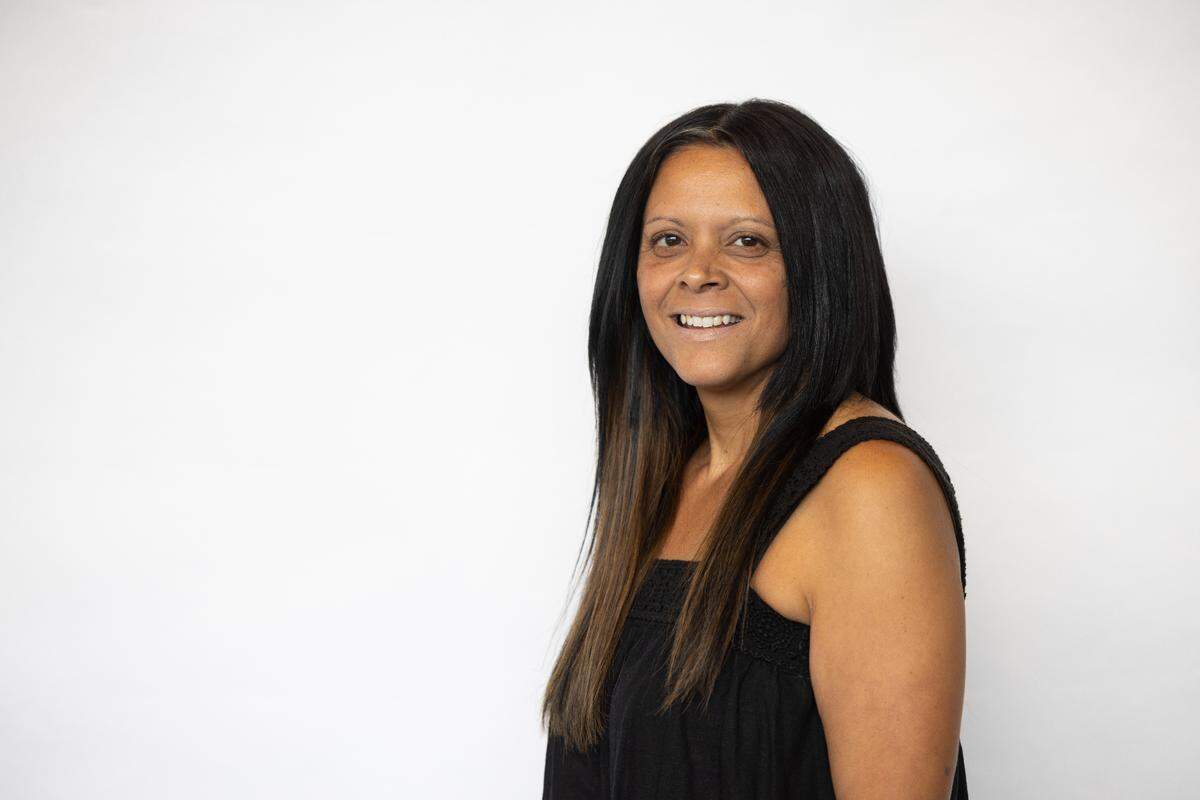
Brooke Weiss, chair of Moms for Liberty-Mecklenburg, says she’s never been in favor of banning books. But books containing controversial content, particularly explicit sex, should be rated with age restrictions to give parents the choice about whether their child should have access to the book.
School safety is about more than keeping guns out of facilities, she said. It also means “protecting students from psychological damage,” Weiss told The Charlotte Observer.
“Parents are the ones that should decide whether their children are mature enough to handle sexually-explicit material,” said Weiss, who has one child attending a CMS school. “Sexually explicit material should be restricted in a school setting, and parents should have to give permission for their children to access that material whether it is in a school library, in a classroom, or part of curriculum.”
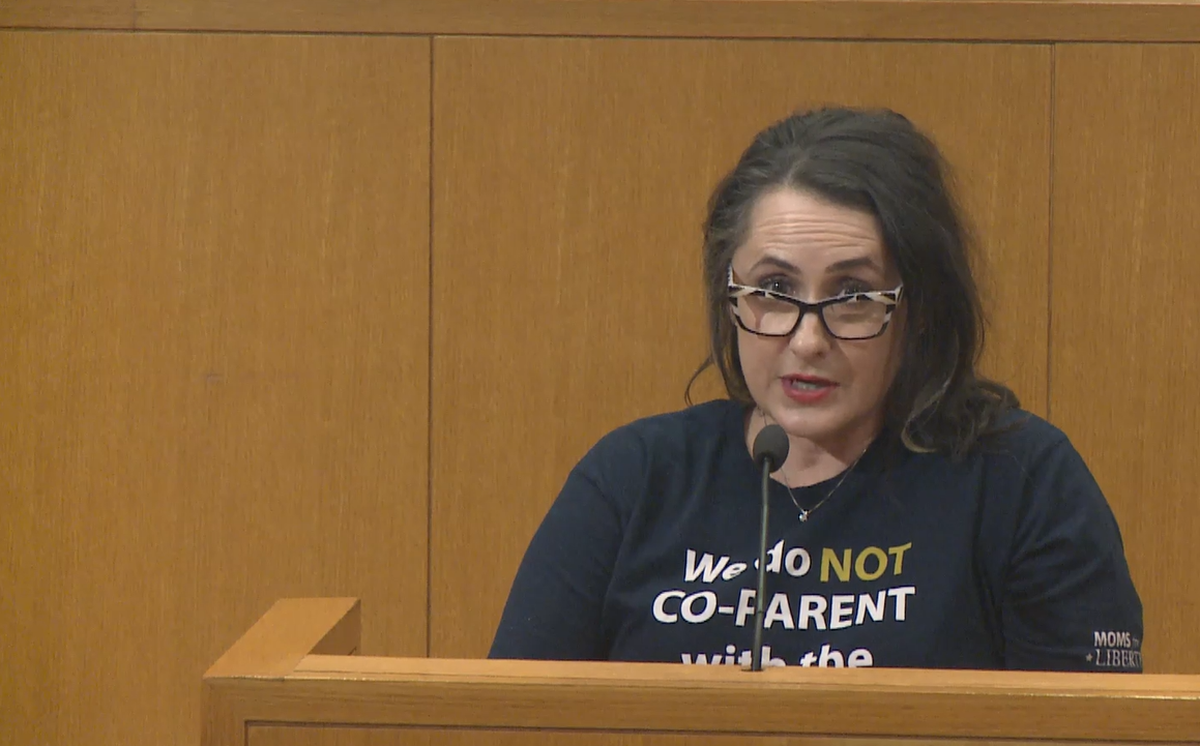
Matt Hayes, CMS’ deputy superintendent of academics, and Nancy Brightwell, chief academic officer, met with Weiss last week. They said the proposed new system requires the Board of Education to write a new policy.
The Moms for Liberty proposal comes as school districts nationwide see an uptick in complaints about book content. Parents want school boards to ban books from campus libraries or have them removed from required reading lists because of content that contains everything from racism in American history to LGBTQ+ identities or sex education.
Shireen Campbell, an English professor at Davidson College who teaches a course on banned books and spends time researching the subject, said a rating system looks attractive, but there are other factors to consider.
“The motivation behind such ratings, I fear, is the aim to exclude content the raters would deem too adult,” Campbell told the Observer. “It’s censorship in advance because school libraries, strapped for cash, would be constrained from purchasing items that were rated too adult, even though there are readers and parents of readers in a school system who would have no problem with their children reading such content. The ratings would definitely inhibit faculty from assigning anything more challenging.”
If CMS parents want to challenge a book today — either one that is required reading or sitting in a school library — they must go through an objection process that starts with the parent or student, if the student is in grades 9-12, notifying the principal.
But Weiss, who demanded an alternative assignment for her daughter last year after she was assigned “The Girl Who Fell from the Sky,” says her proposal is a way to ease tensions.
“CMS has the opportunity to be at the forefront of the issue and to set a new policy that can be a guideline for school districts all across the nation,” Weiss said. “This is a tremendous opportunity to rebuild trust and begin to repair the relationship between stakeholders.”
How would book rating system work?
Weiss proposes the district establish a book review committee that includes parents, teachers, librarians and administrators. The committee would review challenged books and make a decision that applies to all CMS schools’ libraries and classrooms.
The committee would also assign a universal book content rating. For example, books with a “1” rating, the lowest, contain no profanity, no reference to sexual activities and are appropriate for all audiences. Books with a “5” rating, the highest, make explicit references to “aberrant” sexual activities. Books with a rating of 3-5 are restricted, and parents must opt into the system that allows their child to access those books.
Weiss’ Moms for Liberty chapter has a list of 28 books it wants to challenge in CMS. That list includes: “The Girl Who Fell from the Sky,” “The Kite Runner,” “All Boys Aren’t Blue,” “Normal People,” and “Looking for Alaska.” She’s proposing five books be reviewed a month along with any new book that is potentially placed on shelves.
Weiss and Moms for Liberty also pitch the idea as a time-saving way to address challenges.
“As the system currently stands, that packet of 28 challenges would have to go to each school, and a committee of teachers at each school would have to perform individual book reviews,” Weiss said. “Ultimately, teachers are the ones responsible for reviewing books. This would create an enormous amount of additional work for them for which they will not be paid.”
Influence the public?
Campbell said Weiss’ idea still maintains a presumption that some people with concerns should control what is available for everyone.
“A much better option is to, as a parent, talk with your child, ask to see what they are reading, and be engaged in their classes,” Campbell said. “If your child is reading a book with difficult content, read it with them and talk to them about it. That is a far better strategy than denying them the reading opportunity.”
Sherri Johnson is a parent of seventh- and ninth-grade students in CMS who are avid and advanced readers. Johnson said she and her husband always pay attention to what their children read, watch and listen to — both in and out of school.
“Occasionally, we’ve questioned whether they have moved too far ahead from their age group and outside our comfort area,” Johnson said. “We’ve used those few instances as a springboard for conversation — to know what they’re thinking or feeling, to make sure they understand what they are reading, and to reinforce our outlook as parents.”
Johnson said rating systems like Weiss proposes are a way to allow private groups to use their subjective criteria to influence the public.
“We already have ways to categorize the books that are used in the school system,” Johnson said.
CMS school board must step in
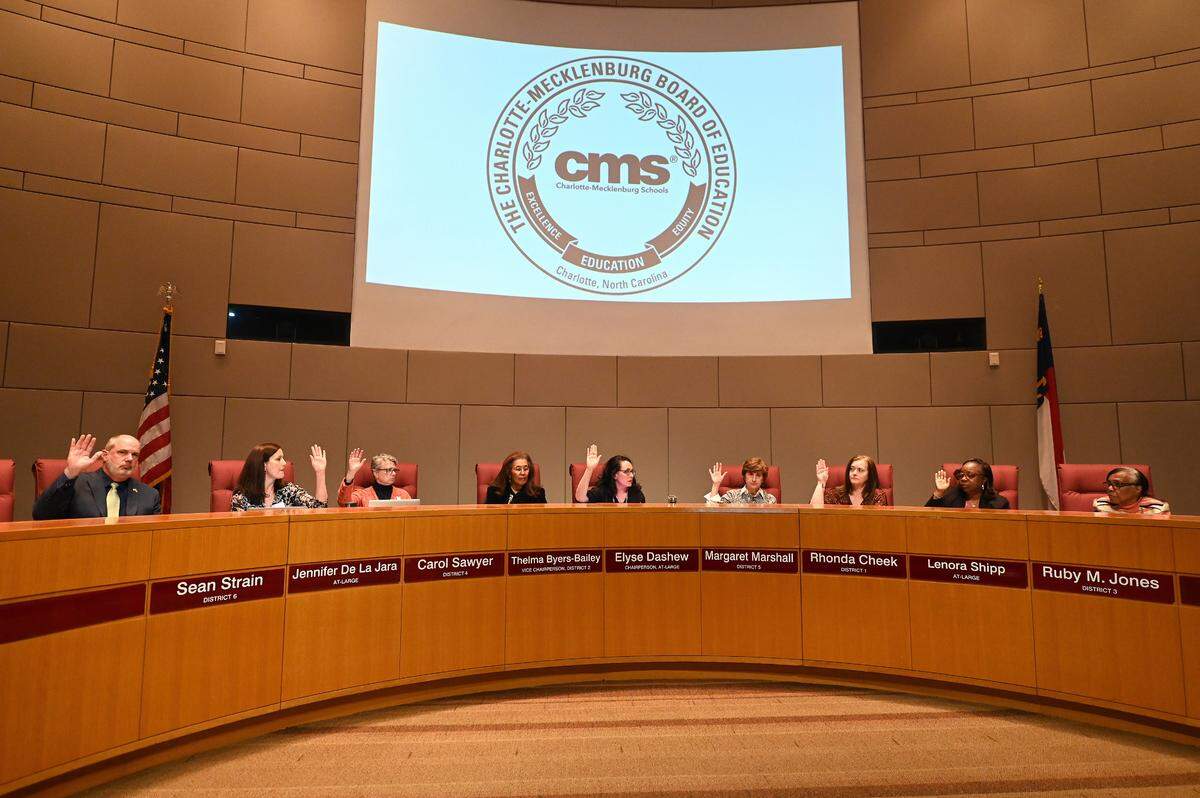
Carol Sawyer, who is seeking reelection Nov. 8, chairs the board’s policy committee and told the Observer she’ll listen to Weiss’ proposal after receiving an email Oct. 14 requesting a formal meeting. But she’s not yet endorsing the idea.
The only people who can initiate a new policy or revise or retire an existing policy are board members, the superintendent or the chief compliance officer, according to school board policy unanimously approved in October 2021. Charles Jeter, the executive director of CMS government affairs, policy, and board services said Monday he has not received a proposal from “any eligible initiator.”
“Policy takes time,” Sawyer said. “Staff are not recommending a policy change. I have not received a written request from my colleagues about a policy change.”
Sawyer, in response to outcry over “The Girl Who Fell from the Sky” in March, took to Facebook to say she’d read the book.
“Glad to see deep and inclusive materials in our CMS schools,” Sawyer wrote.
More CMS book controversy
Across the last several months, parents have spoken during CMS board meetings about books they believe should not be accessible to students. Most, visibly angry, read passages from the books. Some bring props, if the book contains illustrations.
Parent Christy Wade during last week’s board meeting set off another firestorm when she read an excerpt from “This Book Is Gay” by Juno Dawson. Moms for Liberty posted a video of her speech online that received about 400,000 views and was reposted by a right-wing account called Libs of TikTok, which has 1.4 million followers. The nonfiction book explores sexuality and gender. The passage explains the important skill “you will master as a gay or bi-man is a timeless classic — the handjob” and provides instructions for the sexual act.
The book was part of a seventh-grade teacher’s personal library at Collingswood Language Academy that was placed in an off-limits section of the classroom,” said Cassie Fambro, a CMS media relations specialist. During the teacher’s absence, the book was removed from the teacher’s personal space and placed in the in-classroom student library, resulting in an unintended circulation of the book.
Fambro said the book was removed and is not part of the approved curriculum nor classroom instruction. When the Observer asked why the book was in the teacher’s personal library at school, Fambro said she did not know.
Collingswood Principal Carolyn Rodd sent a message to families last week saying counselors would be available if the book or its content affected their student.
“We acknowledge the contents of the book may be viewed as inappropriate to some and want to assure parents that, while the physical location of the book was in the classroom it is not part of the student classroom library or media center,” Robb said. “We support the professional and personal development of our staff as it helps in ensuring a safe and inclusive environment for all our students.”
This story was originally published October 18, 2022 at 6:00 AM.