Some Charlotte-area community colleges make pandemic rebound. Others are reeling
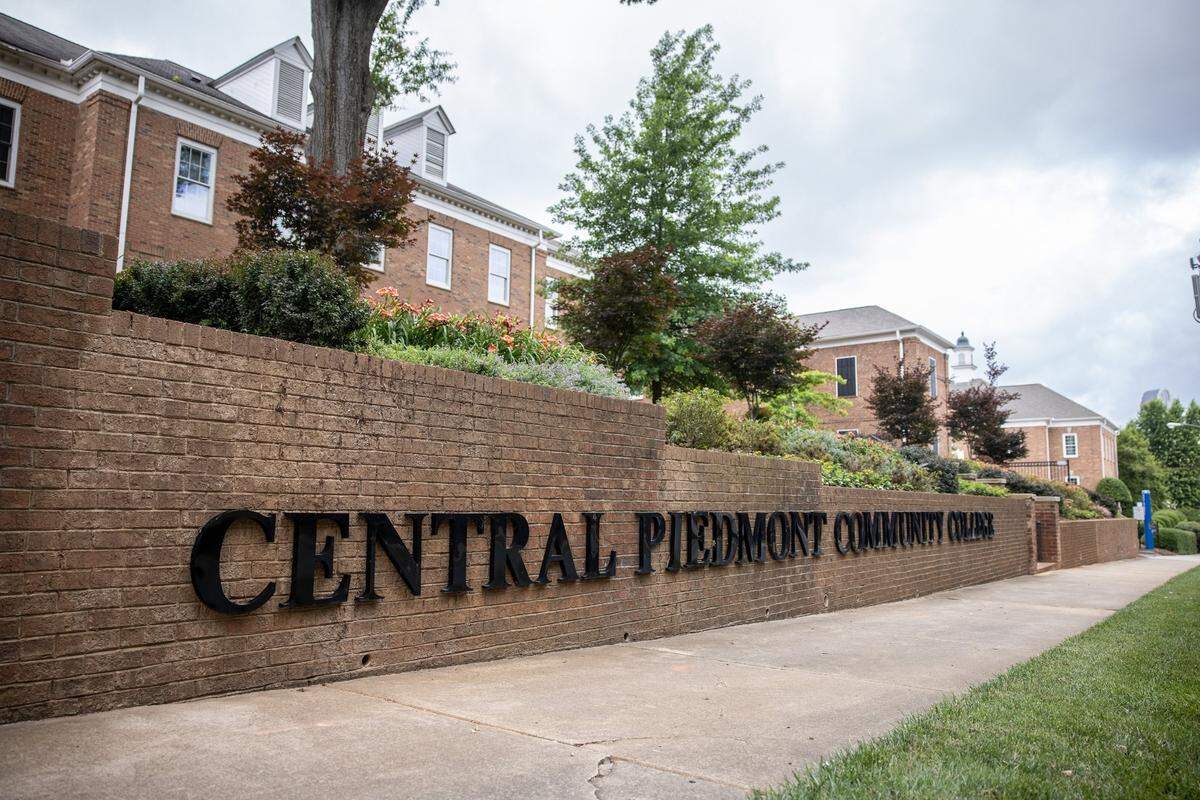
Jeff Lowrance says Central Piedmont Community College found the pandemic rebound formula.
The community college, which has campuses in the heart of Charlotte and outlying areas, spent around $2 million on student recruitment marketing, college promotion, website updates and maintenance during the 2021-22 year. It used broadcast and cable TV, radio, direct mail and its own social media platforms to boast its offerings and affordability to a range of audiences, including current and prospective students.
And it’s paying dividends.
“We have seen growth for 3-4 semesters in a row since the low point of the pandemic,” said Lowrance, vice president of communications, marketing and public relations.
Most of the state’s 58 community colleges followed a national trend and reeled the previous two years from COVID-19 enrollment losses. While Central Piedmont is reaching pre-pandemic levels, the rest are a patchwork — some recovering and others who haven’t found a way to attract more students.
Prior to spring 2020, Central Piedmont’s enrollment was 30,833, according to a state community college database. Since its lowest enrollment of 23,991 in spring 2021, it’s seen steady growth: 27,103 in fall 2021; 27,166 in spring 2022; and 27,220 in fall 2022, according to numbers Central Piedmont provided.
The state’s community colleges run the gamut in size, scope and communities they serve, but one thing is true among all of them: when their enrollment drops, their funding does, too.
Trio of schools struggling
Other community colleges in the Charlotte region have seen enrollment declines continue below pre-pandemic levels. One made layoffs and cuts that went into effect this week. For some, it’s not clear whether they’ve stemmed declines.
Catawba Valley Community College reduced the number of positions and reorganized departments. That resulted in six faculty and 21 staff members losing their jobs.
The college’s board of trustees suspended volleyball, cross country and other extracurricular programs until further notice. Trustees also downsized the school’s SkillsUSA program by 50%.
The cuts come after trustees mandated a hiring freeze and budget reductions throughout 2022. They blamed lower enrollment and rising operational expenses on declining regional population and changes to the educational landscape post-COVID, said CVCC President Garrett Hinshaw. The Charlotte region and Catawba County population, however, have both increased since the pandemic, according to U.S. Census data.
“When enrollment is impacted, we have to make tough decisions to ‘right size’ our college just like all businesses have to do when demands decline,” Hinshaw said.
During the 2019-20 school year, CVCC enrolled 4,907 students, a 4% increase from the previous year. But since the pandemic, its enrollment has dropped below 4,500 students, according to CVCC.
The college has reserves to cover emergencies or unexpected expenses for operations, but CVCC spent $3.5 million from its reserves to maintain the current levels of operations and services to students throughout the pandemic, Hinshaw said.
Catawba Valley is the only community college in the Charlotte region to publicly announce cuts.
Gaston College officials didn’t return a request for comment or fall 2022 data, but its numbers appear to show the largest percentage drop in the Charlotte area. During 2019-20, 18,695 students were enrolled; 13,962 during 2020-21 and 16,174 during 2021-22, a 13.5% drop, according to the state database.
Mitchell Community College also didn’t return a request for comment, but its enrollment made a small rebound last year. During 2019-20, 8,682 students were enrolled; 7,804 during 2020-21 and 8,472 during 2021-22, a 2.4% drop from before the pandemic.
Among other North Carolina institutions, Stanly Community College enrollment saw a 2.5% decrease from before the pandemic to the 2021-2022 year; Randolph Community College in Asheboro saw a 14.3% decrease, Central Carolina Community College in Sanford saw a 6.2% decrease and Sandhills Community College in Pinehurst saw a 6.3% decrease in enrollment, according to the state database.
Community colleges that are rebounding
Nathan Hardin, communications director for the North Carolina Community College System, says it experienced a decrease in enrollment following the pandemic. On average, schools are rebounding, Hardin said.
From the 2020-21 to 2021-22 year, the system saw about 9.5% growth in enrollment. Hardin told The Charlotte Observer enrollment numbers for fall 2022 are still being finalized.
“While that doesn’t yet put us at our pre-pandemic enrollment numbers, it’s encouraging to see such a strong response to community college education and training needs in the state,” Hardin said. “Preliminary reporting indicates we will see some level of enrollment growth again on average across the state for fall 2022.”
Rowan-Cabarrus Community College saw fewer students enroll during the pandemic, but losses were less severe than other community colleges across the state. The college has 20,280 students enrolled compared to 18,537 during the 2020-21 year, an increase of 9.4%.
President Carol Spalding says Rowan-Cabarrus’ budget has remained stable and the college hired very few new employees during the pandemic.
“Cabarrus County, and more recently, Rowan, has seen significant growth thanks to the partnerships we have with our economic development councils and local county government,” Spalding said. “We’re optimistic about 2023 and our ability to help students improve their economic mobility.”
At South Piedmont Community College, with campuses in Anson and Union counties, President Maria Pharr said residents sought to use education to weather the challenges they faced during the pandemic.
South Piedmont recorded its highest enrollment in the fall of 2022, 6% higher than the fall of 2019. Its spring enrollment growth from 2019 to 2022 reflected the third-highest growth across the N.C. Community College System.
“While the COVID-19 pandemic impacted resources and added hardships for our students, South Piedmont has continued to lead the way in making improvements that help our students succeed on a daily basis,” Pharr said. “Our enrollment numbers show that our community college is a trusted resource for those looking to further their education and careers.”
What’s working for some?
Pharr said South Piedmont used federal COVID relief money to expand several programs that improved accessibility and affordability for its students, including reducing the costs of tuition and fees for qualified students to $0 during the peak of the pandemic.
COVID funding also helped the college prioritize a major infrastructure project through the expansion of Hy-Flex classroom technology, which allows students to decide whether they want to learn in-person, synchronously online or asynchronously online on a session-by-session basis.
“This helps our students learn on their terms and not fall behind when life happens, like a COVID-19 isolation period, lack of childcare, or a transportation issue,” Pharr said.
Meanwhile, Central Piedmont, Rowan-Cabarrus and others are pumping money into more marketing and outreach.
Central Piedmont has spent a portion of its roughly $2 million in marketing money to reach potential students of color, knowing that the pandemic hit some harder than others. Rowan-Cabarrus increased marketing and advertising to ensure prospective students who may have been laid off during the pandemic knew about short-term training options through programs such as the North Carolina Manufacturing Institute and truck driving training.
Lowrance said there is one lingering effect of the pandemic seen across the country and North Carolina that hasn’t been solved: young men are pursuing post-secondary education in far fewer numbers.
“Colleges and universities will have to have a way to convince young males that education and job training is their best path to viable careers and a brighter future,” Lowrance said.
This story was originally published January 6, 2023 at 6:00 AM.