NC Board eases up on stricter charter school renewal rules. See what’s on the table.
The State Board of Education is scaling back a plan to raise academic requirements on North Carolina charter schools seeking renewal to remain open.
Last month, the State Board proposed requiring charter schools to score within two percentage points of the school district they’re located in to get renewed.
But following complaints from charter school supporters, the board unveiled revised renewal requirements that aren’t as strict.
State Board members said they want to get a recommendation from the Charter Schools Review Board before potentially voting on the policy in March. The Review Board plans to discuss the renewal guidelines on Tuesday.
“It is good that State Board of Education leadership and Charter Schools Review Board leadership are in discussions,” Lindalyn Kakadelis, executive director of the North Carolina Coalition for Charter Schools, said in an email. “It was positive that the State Board of Education didn’t vote on the policy since there has been no discussion at the Charter Schools Review Board.”
How high should charter schools score?
Charter schools are taxpayer funded schools that are exempt from some of the rules that traditional public schools must follow. There are now 211 charter schools statewide serving more than 140,000 students.
In August, the Republican-controlled General Assembly transferred the State Board’s authority over individual charter school approvals and renewals to the Review Board.
The Review Board consists of charter school advocates whose members are mainly appointed by legislators. The State Board has a majority appointed by Democratic Gov. Roy Cooper.
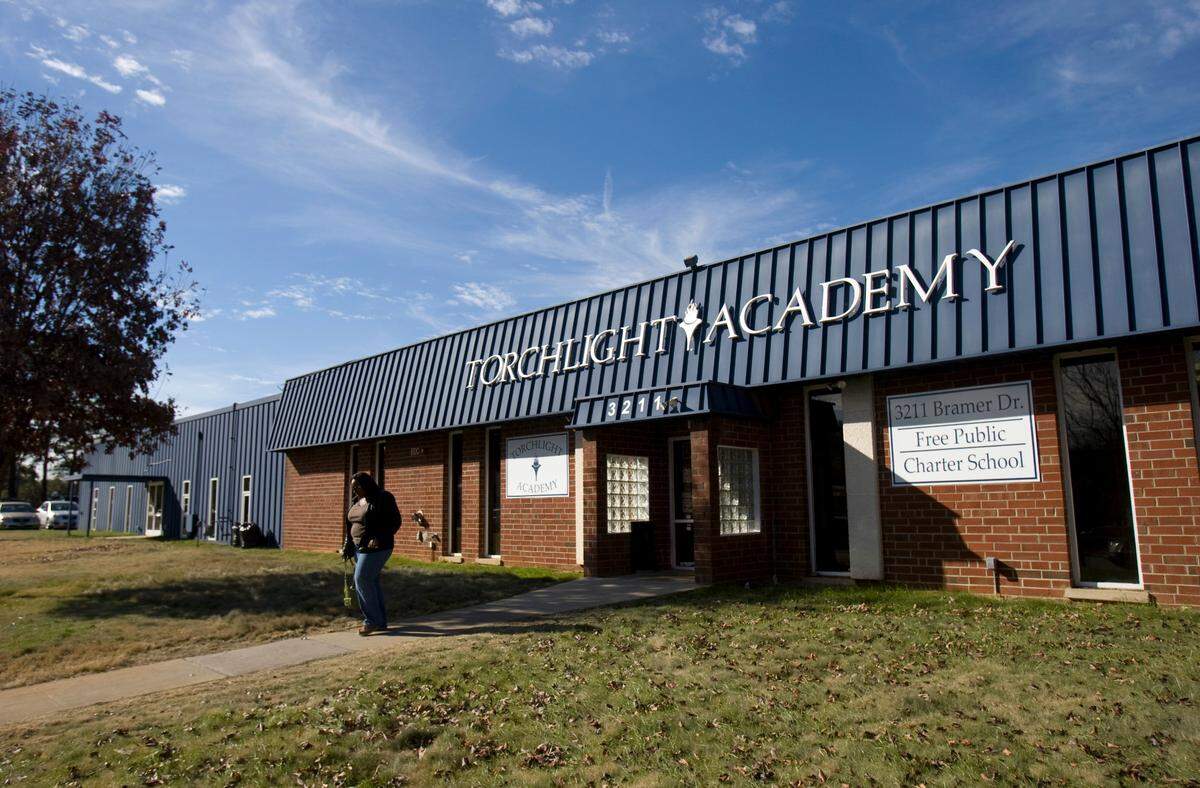
One of the renewal requirements is that a charter school must demonstrate its academic comparability to the school district where it’s located. State law doesn’t definite comparability, so it had been interpreted as being within five percentage points of the district’s state test score.
The State Board had proposed last month redefining comparability as scoring within two percentage points. The length of the renewal would depend on how many of the past three years the charter school has been comparable.
Compromise on renewal policy
But this week, the State Board proposed leaving the five-percentage point cutoff in place for charter schools being renewed for three years and five years.
To get a seven-year renewal or the maximum 10-year renewal, the State Board now recommends that charter schools score within three percentage points of the district.
The only explanation given for any changes was that it came after a meeting between State Board members and the leaders of the Review Board.
“We had a very positive conversation spending time with them getting their ideas on how these guidelines could be improved,” State Board member John Blackburn said at this week’s board meeting.
The State Board should take its time on the issue, according to Rhonda Dillingham, executive director of the North Carolina Association for Public Charter Schools.
“Evaluating a school for renewal is a complex issue,” Dillingham said in an email. “It is much more complicated than whether a charter school is comparable to the (district’s) proficiency based on two, three, or even five points.
“The process deserves more time and thoughtful consideration before it is brought before the State Board of Education for a vote.”
This story was originally published February 2, 2024 at 11:11 AM with the headline "NC Board eases up on stricter charter school renewal rules. See what’s on the table.."