‘Unlearn internalized hatred about my natural hair’: How N.C. schools handle the CROWN Act
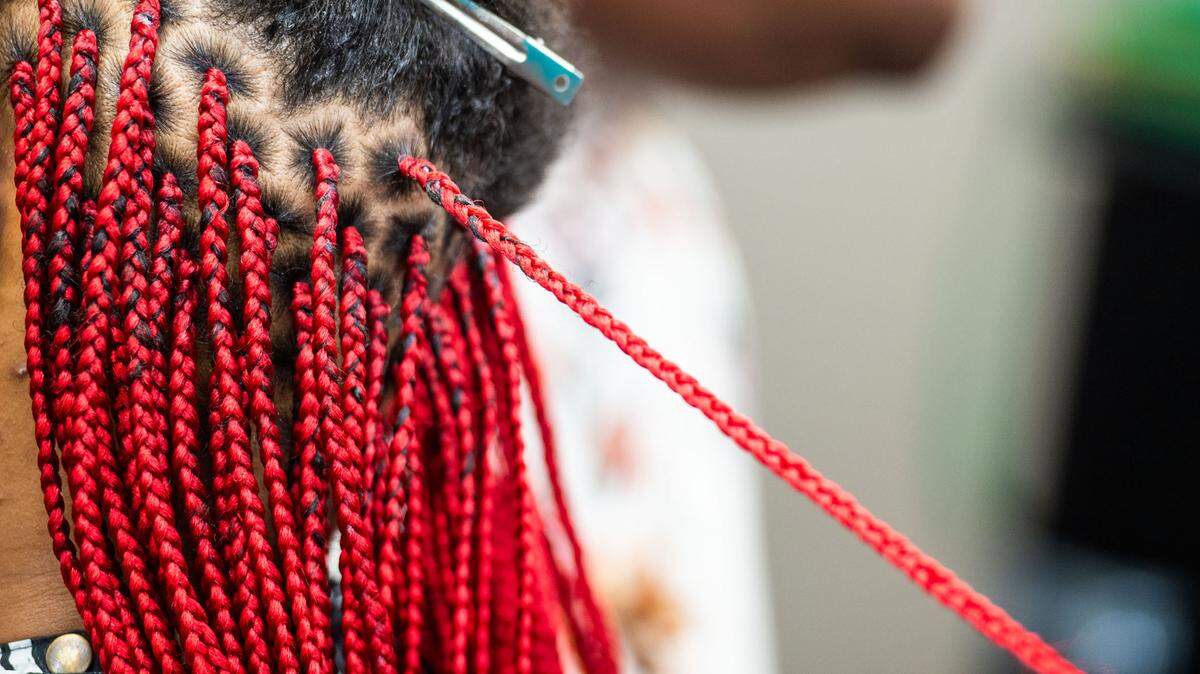
The CROWN Act, a law passed in 25 states that safeguards natural and cultural hairstyles like braids, afros, locs, and cornrows, was recently approved by the Wake County Board of Education.
Created to end race-based hair discrimination in schools and workplaces, the fight for advocates to end such discrimination is ongoing.
Students and teachers have a right to be free from discrimination based on their hair. Here are some questions and answers about how that works in North Carolina.
What is the CROWN Act?
In 2023, a Black high school student in Texas – Darryl George – was suspended for more than two weeks for wearing locs that hung below his ears, according to school administrators, in violation of the district’s dress code.
In February 2024, a Texas judge decided that George’s punishment by the school was appropriate since the CROWN Act does not mention hair length. The act became law in Texas in 2023.
In North Carolina, Wake County joined Durham in approving a policy that adheres to the CROWN Act in June 2024.
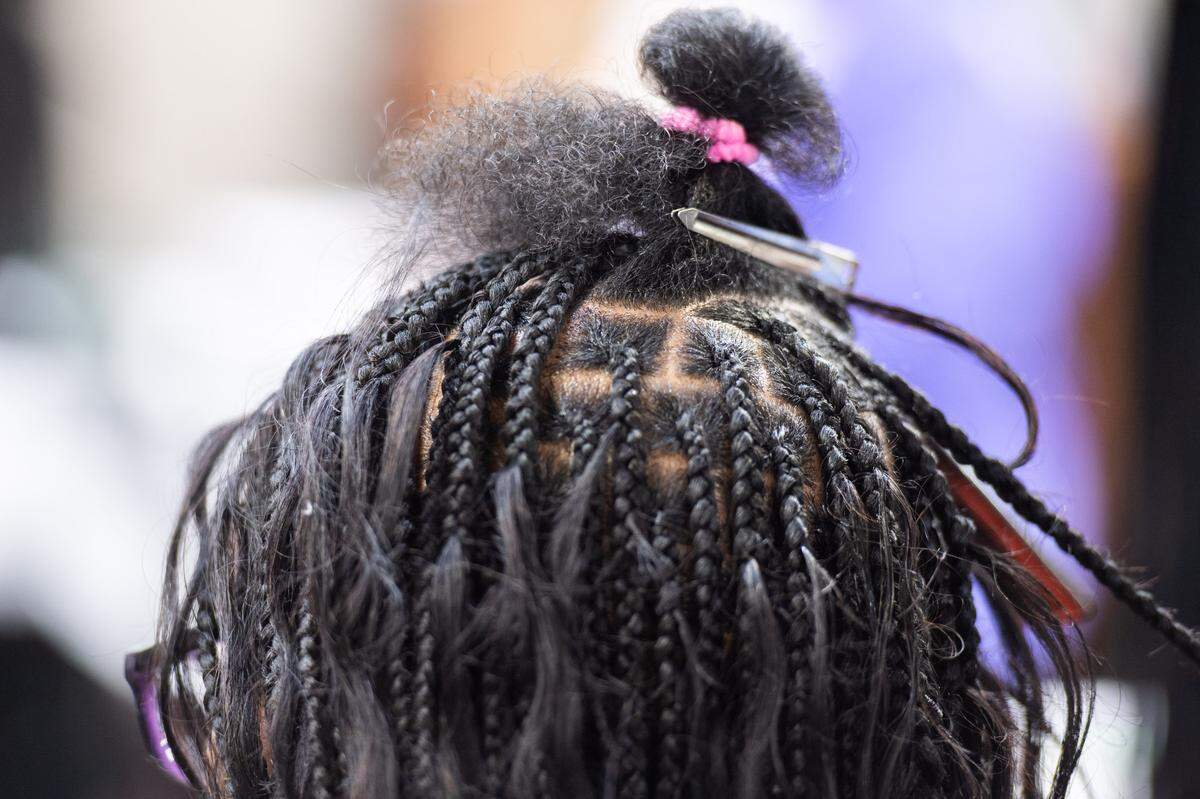
In response to a question about whether Charlotte-Mecklenburg Schools adhere to the CROWN Act, CMS said in an email: “In accordance with Charlotte-Mecklenburg Schools Code of Conduct Rule 4, all students have the right to wear their hair in a way that reflects their racial, ethnic, or cultural identity without being discriminated against or disciplined.”
In January 2019, California became the first state to introduce the CROWN Act, expanding the definition of race in the California Fair Employment and Housing Act and state education code.
What does the CROWN Act stand for?
The CROWN Act stands for Creating a Respectful and Open World for Natural Hair.
How did the CROWN Act start?
In 2019, Dove and the CROWN Coalition collaborated with California state Sen. Holly J. Mitchell to create the CROWN Act.
How has North Carolina handled the CROWN Act?
Curly-crowned Kiersten Hash, a young Black girl from Winston Salem, was once a Mallard Creek High School student who used to count down the days until she could get a silky Brazilian blowout.
Hash told The Charlotte Observer that much of what she faced growing up made her feel like her curly hair was not considered pretty or professional. “Watching messages on TV imply that straight hair was the norm — the standard of beauty,” she said in a recent phone interview.
“It felt like wearing my natural hair was unruly and that made it difficult to want to wear it, so I had to unlearn internalized hatred about my natural hair,” Hash said.
In 2021, while doing community work through her Charlotte-area organization Queens for Change, Hash lobbied for the CROWN Act at the state level and suggested similar protections for students and employees at the school board level.
The Charlotte City Council passed an anti-discrimination ordinance in fall 2021 that included protections for natural hairstyles.
Was the act passed in North Carolina?
A state law was not passed in 2021. The North Carolina CROWN Act was introduced in the state legislature in winter 2023, but was not passed.
Democratic Gov. Roy Cooper has issued proclamations designating “National CROWN Day” in North Carolina.
What does research show about hair discrimination?
Charity Brown, an associate professor in the Department of Psychological Sciences at Winston-Salem State University, has a doctoral degree in psychology and specializes in examining cultural factors that contribute to Black adolescent development.
“I have had Black students talk about experiences with hair discrimination, particularly being judged and stereotyped based on their hairstyles,” Brown said in a phone interview.
She told The Charlotte Observer that “Black males in my study talked about how they’re perceived by adults in the building regarding their locs.”
“They believe they’re perceived as messy, unclean, or associated with more negative behaviors,” Brown said. “Black females talked about wearing bonnets, head wraps, and different types of hair pieces that they often felt resulted in punitive action from adults.
“Whether it be a request of removal or even if they’re not in the classroom wearing them, but if they’re on the school grounds, it’s an immediate harsh response of ‘you need to take that off’ or ‘you need to remove that,’” she said.
What is Wake County’s new school policy on hairstyles?
“The Wake County Board of Education supports state and federal CROWN Act legislation that would provide protections for protective, natural, or cultural hairstyles. In particular, schools must permit protective, natural, or cultural hairstyles, including but not limited to braids, dreadlocks, locs, twists, tight curls or cornrows, Bantu knots, afros, and other culturally expressive hair ties or headwraps. Students are free to adopt hairstyles of their choice, whether short, long, shaved, braided, curled, twisted, knotted, or otherwise.”
How does CMS address hair discrimination?
According to Jessica Saunders, a media relations specialist for Charlotte-Mecklenburg Schools, their “policies and procedures ensure that neither students nor staff members are disciplined based on how they wear their hair.”
“We acknowledge the CROWN Act and are grateful for all efforts to expand the understanding of race to include hair texture, hair type, and protective hairstyles for our employees,” Saunders wrote in an email to The Charlotte Observer.
Should schools update language to mirror the act?
According to Angel Nash, a program officer at The Wallace Foundation, based in New York, school district administrators should examine current rules to identify and eliminate any language that conflicts with recently implemented CROWN Act provisions in their state.
“Administrators should replace existing language with language that reflects the updated laws that practically include and welcome students’ hair texture and styles that they wear to express and protect it in its natural state,” Nash wrote in PsychoHairapy, a skills-based training course that teaches participants about mental health and hair.
This story was originally published August 8, 2024 at 6:00 AM.