Does UNC System policy require DEI offices to close? What we know about campuses’ plans.

Public universities in North Carolina have just days left before they must finalize and certify their plans to comply with the UNC System’s repeal of diversity, equity and inclusion requirements.
Under the new DEI policy, approved by the UNC System Board of Governors in May, all 16 public universities and the North Carolina School of Science and Math — the public high school that is part of the system — must submit reports to system President Peter Hans on or before Sunday, Sept. 1. Those reports, which will be public documents, must include information about any cuts to jobs or spending that university leaders have implemented as a result of the policy, as well as how any “savings” from those actions will be spent on student success efforts.
The new policy, titled “Equality Within the University of North Carolina,” emphasizes nondiscrimination and institutional neutrality — the idea, enshrined in state law, that campuses and their leaders should not weigh in on political or social issues — over the previous policy’s ideals of diversity and inclusion.
Legal guidance on the policy, published in July, did not explicitly call for DEI offices to be eliminated. But the document made clear that the offices and their employees would be scrutinized as campuses worked to implement the policy, and at least two campuses have justified closing their DEI offices by expressly saying the guidance required them to do so.
But other campuses have taken another approach, keeping some aspects of their DEI offices intact under new names and reorganized structures.
As the Sept. 1 deadline approaches, here’s what we do — and don’t — know about how the policy’s impacts so far.
DEI offices close at some campuses
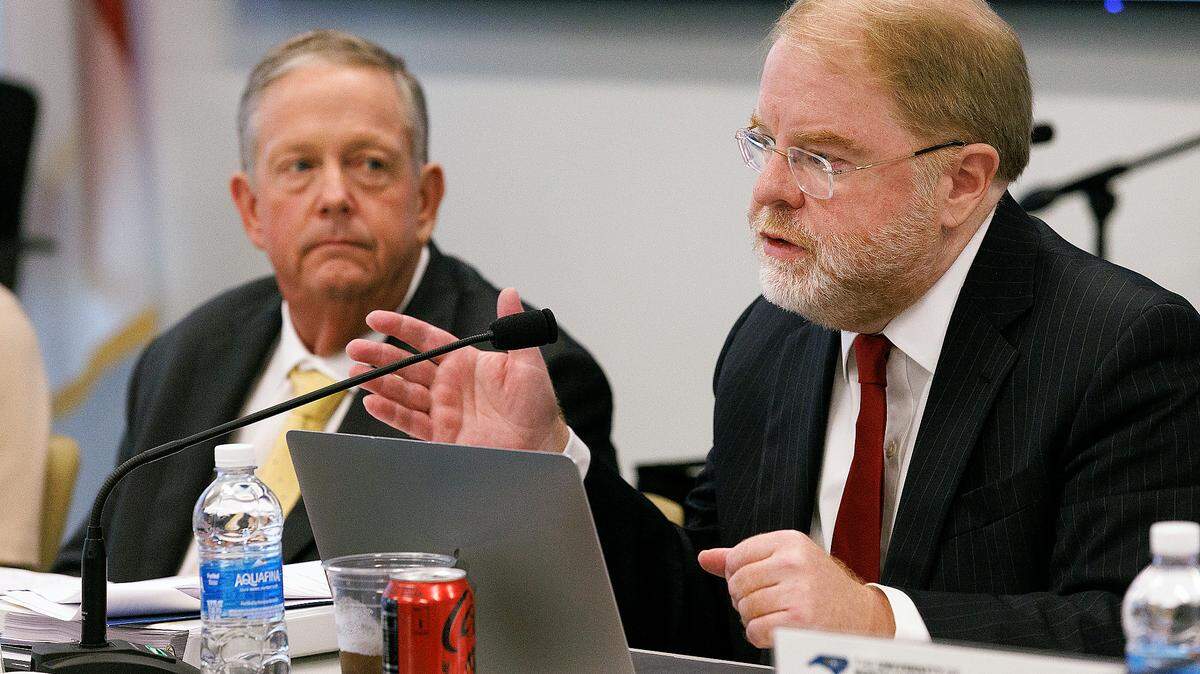
At least three campuses have completely closed their DEI offices as a result of the policy:
▪ UNC Wilmington Chancellor Aswani Volety announced in a campus message on Aug. 8 that the university would close its Office of Institutional Diversity and Inclusion and eliminate its chief diversity officer position. Volety said the decision was “based on policy requirements and consistent with System Office guidance.”
Donyell Roseboro, who held the CDO position before it was eliminated, will return to the faculty in the university’s Watson College of Education. Volety said Roseboro allowed him to share information about her employment changes, but information about changes for other employees would be kept confidential “until details are finalized.” Volety said all affected employees “were offered employment opportunities in Academic Affairs or Student Affairs.”
When asked by The News & Observer for additional information about the status of the remaining employees, UNCW spokesperson Sydney Bouchelle said the university would wait to comment until after the university’s report to Hans was finalized.
The university’s cultural and identity centers for African American, Hispanic, LGBTQ+ and Asian American communities will relocate to the Division of Student Affairs, but will remain in their physical locations on campus. The centers’ staffing and programming could change as a result of the policy, Volety said, but he did not provide details on those changes.
“The centers will continue to focus on creating and sustaining a sense of belonging for historically marginalized students while also providing support, service and educational programs to benefit all students,” Volety said.
▪ UNC Charlotte closed its three DEI offices as a result of the policy: the Office of Diversity and Inclusion, the Office of Identity, Equity and Engagement and the Office of Academic Diversity and Inclusion.
No employees were laid off as part of the changes. Instead, 11 full-time employees were reassigned to new positions at the university, The Charlotte Observer reported. Faculty who held part-time duties in the offices “no longer have those responsibilities,” Provost Jennifer Troyer and Vice Chancellor Kevin Bailey wrote in an Aug. 8 campus message.
Troyer and Bailey explained the decisions to close the offices and reassign employees by saying the new system policy “does not allow any institution in the System to have offices that focus on diversity, equity and inclusion.”
A university Q&A website about the policy also directs employees to remove or revise “statements about DEI” from campus websites, and states that university departments may no longer have DEI liaisons.
▪ WUNC reported that Appalachian State University closed its DEI office. When asked by The N&O to confirm that report, App State spokesperson Anna Oakes said the university would not share information about the university’s efforts to comply with the policy until after the Board of Governors’ September meeting.
The system policy only requires Hans, the UNC System president, to review the compliance reports from campuses — not the Board of Governors. Agendas for the board’s September meetings have not been released, making it unclear whether the board intends to discuss or review the reports at that time.
Oakes did not respond to additional requests for comment.
DEI offices reorganized, renamed
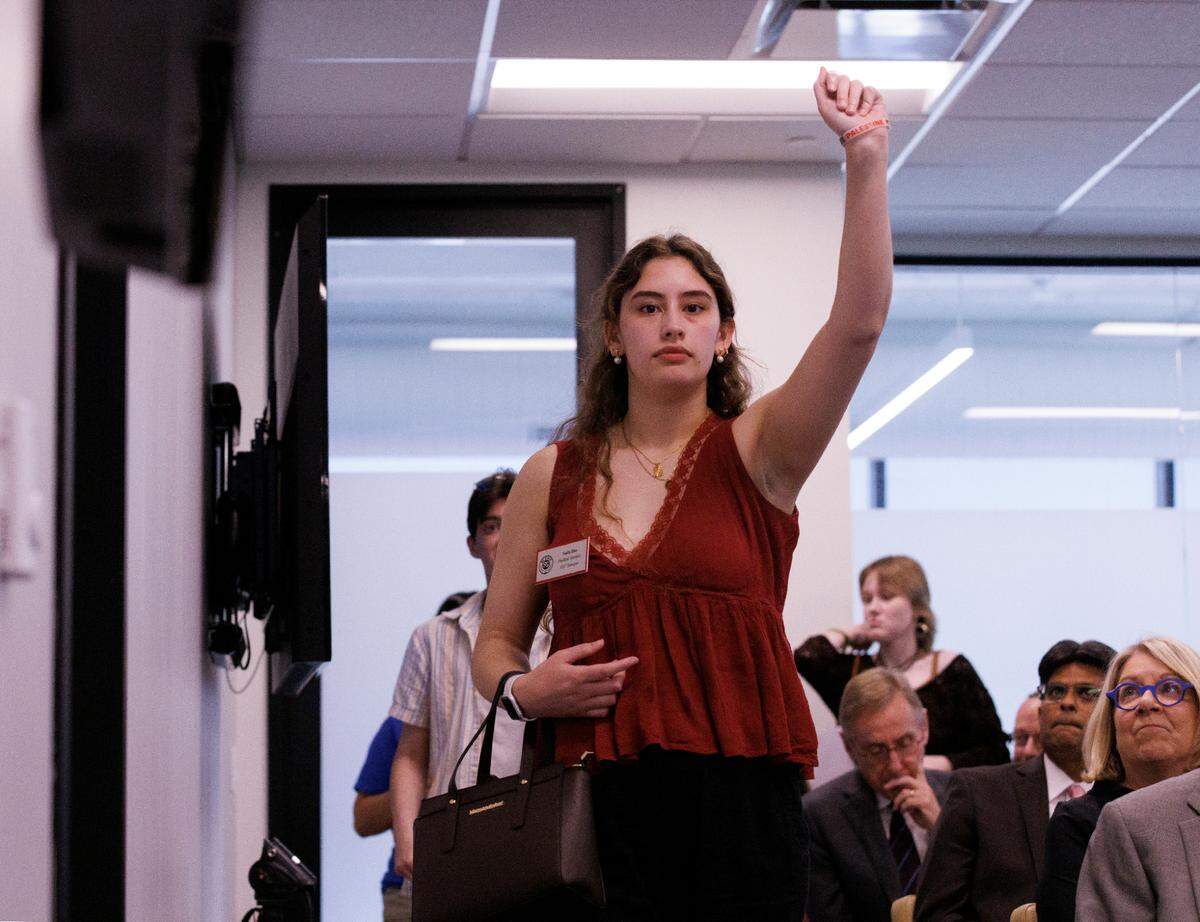
Other campuses have reorganized and renamed their DEI offices, often giving them a new mission but keeping other aspects of the units in-place. Those campuses include:
▪ NC State University, where the former Office for Institutional Equity and Diversity is now the Office of Equal Opportunity.
Provost Warwick Arden originally announced in an Aug. 1 campus message that the office would be called “the Office of Institutional Equity and Equal Opportunity,” but sent an update on Aug. 16 saying that “Institutional Equity” would be dropped from the new name. The change was effective immediately.
Sheri Schwab, formerly vice provost for institutional equity and diversity, will remain at the university under a new title — vice provost for equal opportunity — and will lead the renamed office.
The renamed office will oversee a portfolio that focuses “solely on equal opportunity and related compliance areas,” Arden said in his Aug. 16 message. That includes the university’s Disability Resource Office.
The university’s four cultural and community centers will move from the former equity and diversity office to the Division of Student Affairs and will be overseen by Carrie Zelna, senior associate vice chancellor in that division. The centers are: the African American Cultural Center, the LGBTQ Pride Center, Multicultural Student Affairs and the Women’s Center.
“These changes help ensure that NC State programs and units are optimized for student success,” Arden wrote on Aug. 1. They will also “strengthen NC State’s ongoing commitment to equal opportunity and to combatting unlawful discrimination and harassment,” he wrote.
“For the most part,” Arden said in his Aug. 1 message, staff who formerly worked in the equity and diversity office will move to either student affairs or the new Office of Equal Opportunity. When asked by The N&O for more details on how employees were affected by the changes, NC State spokesperson Mick Kulikowski said the university “may” share additional information after it submits its compliance report.
NC State has also suspended all DEI-related trainings, effective Aug. 16, “while we review them to ensure that they are in alignment” with the new policy, Arden said. Trainings that are required by state or federal law or UNC System policy will continue.
▪ UNC School of the Arts, where the former Division of Equity, Diversity, Inclusion and Belonging is now the Division of Institutional Engagement.
Along with the change to the division’s name, there are also slight differences to the division’s stated mission and purpose. On its website, the new version of the division no longer promotes a vision statement that previously read, in part: “... we commit to an explicit and continual process of identifying and dismantling systems and practices of bias, exclusion and oppression. Education and art making can be transformational forces for change and we are working so that change leads toward justice.”
Instead, the Division of Institutional Engagement now promotes a vision of “aligning services, curriculum, and programs with the broad goals of UNCSA’s strategic plan,” through “advancing student success through support and advocacy,” fostering community partnerships and “empowering artistic endeavors that demonstrate commitment to equality of all persons,” among other avenues.
B. Afeni McNeely Cobham, formerly the school’s vice provost for equity, diversity, inclusion and belonging, is now the vice provost of institutional engagement. Some staff titles and job descriptions have changed under the new division, but UNCSA spokesperson Katherine Johnson confirmed to The N&O that no employees lost their jobs as a result of the changes.
Johnson provided a statement to The N&O that read, in part: “UNCSA remains committed to its core value of belonging, with student success and employee well-being as a top priority for its community, and there are no plans to withdraw support of those who work to achieve these goals.”
▪ UNC Asheville, where the former Office of Multicultural Affairs is now reorganized into the Dean of Students office.
The former multicultural affairs position will now be an associate dean of students role, Chancellor Kimberly van Noort announced in an Aug. 15 campus message.
“The Office of Multicultural Affairs provided spaces for student care, community, belonging, and success,” van Noort wrote. “Under the direction of the Dean of Students, and with the direct support of the new Associate Dean, this focus will continue.”
The Dean of Students office will remain located in the university’s student union, and its mission will also remain unchanged, van Noort said.
“As always, its mission centers a sense of belonging for historically marginalized students, along with services and educational programs that benefit the entire student body,” she wrote. “Be assured that a culture of kindness and belonging will always be key among our foundational values and central to the exceptional educational experience we offer, where every Bulldog has a place.”
One campus, East Carolina University, changed the structure of its DEI office prior to the Board of Governors’ vote to change the policy in May.
Chancellor Philip Rogers announced in a campus message on March 26 that the university’s human resources division, personnel and financial administration office and the Office for Equity and Diversity would be consolidated “into a unified administrative unit within the Division of Administration and Finance.” As part of the changes, LaKesha Alston Forbes, formerly the university’s chief diversity officer, is now the chief people officer.
The changes were effective May 1, more than three weeks before the Board of Governors’ May 23 vote.
An ECU spokesperson did not respond to The N&O’s request for comment regarding why the university changed its office prior to receiving a mandate from the Board of Governors.
Part of Rogers’ March message read: “Acknowledging the evolving needs of the workforce and the competitive environment for talent requires us to modernize our structures and systems to enhance the employee experience. The initial goals of this consolidation include more clarity regarding processes, reduced inefficiencies, and improved stakeholder experiences as well as enhancement of services across the spectrum of talent acquisition, learning and development, employee well-being and retention.”
Impacts at some schools remain to be seen
Other campuses told The N&O they would wait for their reports to be submitted on Sept. 1 before providing additional information about how they plan to comply with the new policy. Those campuses include NC A&T State University, NC Central University and the School of Science and Math.
UNC-Chapel Hill spokesperson Kevin Best also told The N&O the university does not plan to announce its changes until after Sept. 1. But there are some clues about the university’s plans, gleaned from comments from Chancellor Lee Roberts and Provost Chris Clemens and public documents.
In June, Clemens gave Leah Cox, the university’s chief diversity officer, a secondary appointment in which she was tasked, in part, with considering how to “reposition Project Uplift and other student success initiatives within the provost office structure” and developing “a student success strategy,” according to a contract obtained by The N&O through a public records request. The contract, which does not include additional compensation, is expected to continue for a year, the contract states.
Project Uplift, a summer program that invites underrepresented high school students to the UNC campus, is a key offering from the university’s Office of Diversity and Inclusion. That the program is specifically listed in Cox’s contract indicates that it is likely to remain part of the university’s offerings.
Roberts has also indicated his support of Project Uplift, telling reporters after being elected chancellor on Aug. 9 that the program “is not going anywhere” and that he would “love to see it expanded.” But in an interview with The N&O on his first day as chancellor, he declined to comment on the potential fates of other programming housed in the Office of Diversity and Inclusion.
In a public meeting of the university’s Faculty Executive Committee on Monday, Clemens said “signature programs” will move to campus academic and cultural centers. That includes Project Uplift, which will now be housed under the Carolina Higher Education Opportunity Programs division of Clemens’ office.
Clemens said administrators have “already reassigned staff members” from the diversity office to either the human resources division or the provost’s office, but did not provide specific details.
Roberts on his first day would not tell The N&O whether there might be layoffs as a result of the changes made under the new UNC System policy. But he offered this: “If there are layoffs, we always make a practice of trying to see ... the affected folks have the opportunity to find other jobs here at Carolina.”
Clemens said Monday that administrators have “been working to evaluate dozens of programs and positions and make thoughtful changes that will align us to the new policy, but also take care of our cherished colleagues and support an environment where everyone is welcome and included.”
This story was originally published August 29, 2024 at 7:00 AM with the headline "Does UNC System policy require DEI offices to close? What we know about campuses’ plans.."