Union County townhomes ignore development rules, residents say. Why city says they’re OK
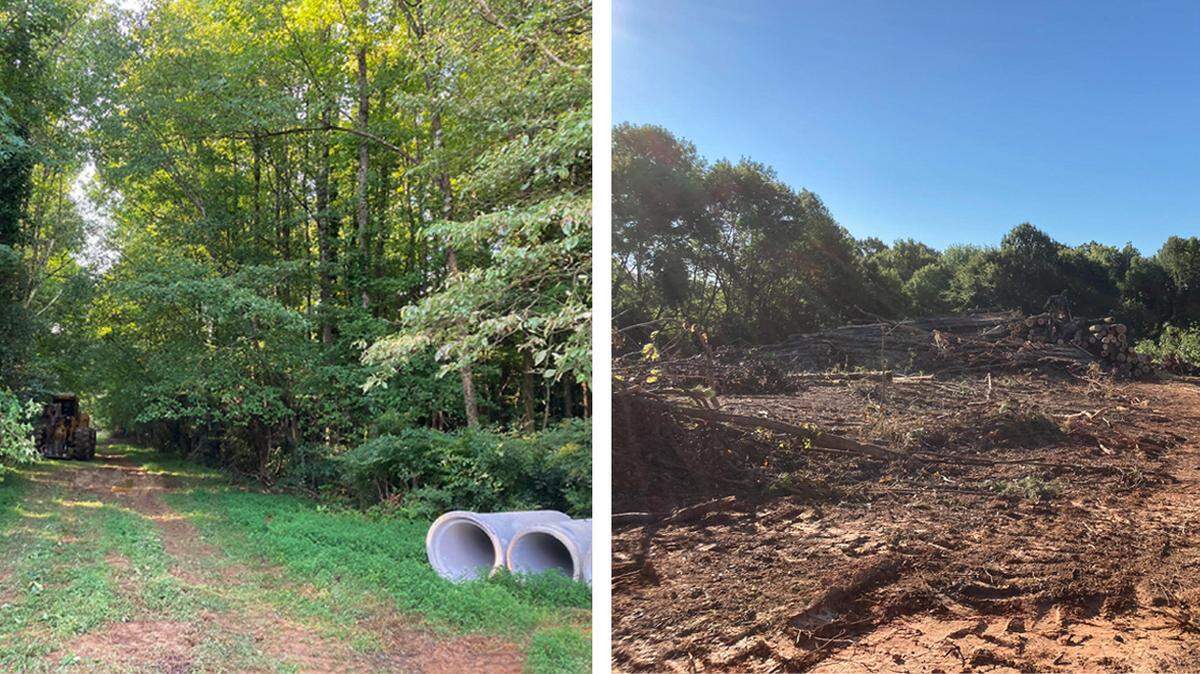
Monroe residents say the city isn’t forcing developers of dozens of new townhomes that have already violated city ordinances to comply with new and existing building rules.
Residents of the Oak Hill neighborhood in Monroe worry the development of 74 new townhomes will lead to flooding, lower property values and disturb the quiet neighborhood. And despite pleas from residents to force developers to comply with city rules, Monroe City Council members voted Tuesday night to allow the developers to move forward with their plans.
The development fears are not unique to Union County, and echo what other North Carolina residents say about medium- and high-density projects in their neighborhoods. But local residents say the project is bypassing requirements about how many housing units can be built on the property and other rules.
City staff say the developers received proper approvals to start building.
“It’s wrong what they’ve done. They’ve totally changed the quality of life in our neighborhood. Our lives will never be the same” Dottie Nash, a former Monroe City Council member and resident of the affected neighborhood, told The Charlotte Observer. “We understand that someone has the right to develop, but we shouldn’t have 74 town homes crammed down our throat.”
Monroe townhomes
Griffin Land Holdings, LLC in 2022 bought the land for its King Hill townhomes project for $405,000 after it sat on Union County’s excess property list for nearly two decades. Previous plans to build an elementary school there fell through.
The company received approval from the city to move forward on the townhome project in 2023 and sold the land to Monroe-based CF Master Limited Partnership in early 2024.
Since the developer received necessary building permits, the city changed its Unified Development Ordinance more than once, including a change in the way density is calculated and that developments over 50 lots must go through a complete rezoning process. Though the changes occurred before construction began, developers are not required to comply because their site plan was approved beforehand, said Monroe City Planner Keri Mendler.
Residents counter that developers did not begin construction within the required one-year time frame after receiving approval for the site plans — a fact residents say should require a new approval process.
What’s more: developers have violated city ordinances since construction began this year, according to the city.
Violations include the failure to install sedimentation and erosion control devices and the lack of a proper construction entrance. The site made changes to comply with ordinances in a proper time frame, Mendler said.
“I think it’s a big cover-your-butt situation, and instead of doing what’s right by the tax-paying citizens that are just requesting that everyone follow the rules, they’re allowing this developer to come in and run roughshod all over everything… willingly allowing him to not meet these requirements,” Jeremy Austin, a neighborhood resident, told The Charlotte Observer.
City staff say an erosion control permit received after site plan approval allowed for the construction’s start.
Monroe City Council
Residents urged the Monroe City Council to force developers to reapply for new permits given the perceived delay in the construction start date. That request was denied at a council meeting Tuesday night.
At the meeting, Oak Hill residents gave a presentation that rehashed earlier concerns and said they were not made aware that the sold land was rezoned in 2022 to medium density adjacent to their low-density homes.
City staff said developers applied for and received “by-right” approval, meaning the proposal conformed to zoning and building codes and could move forward. When it was time to vote on whether developers could continue with current plans, the council moved into a closed meeting for 15 minutes. Afterward, the council returned to vote in favor of the developer.
Austin said he doesn’t oppose development in the neighborhood, but that developers should be required to comply with zoning rules and regulations.
“We just want the development to be correct to the ordinance, and we feel that it’s not,” he said. “We feel that planning is not truly listening to us and just moving on just so that they can try to get all this behind them and not have to deal with anything.”
This story was originally published September 12, 2024 at 6:00 AM.