More than half of CMS schools surpassed growth expectations last year, new data show
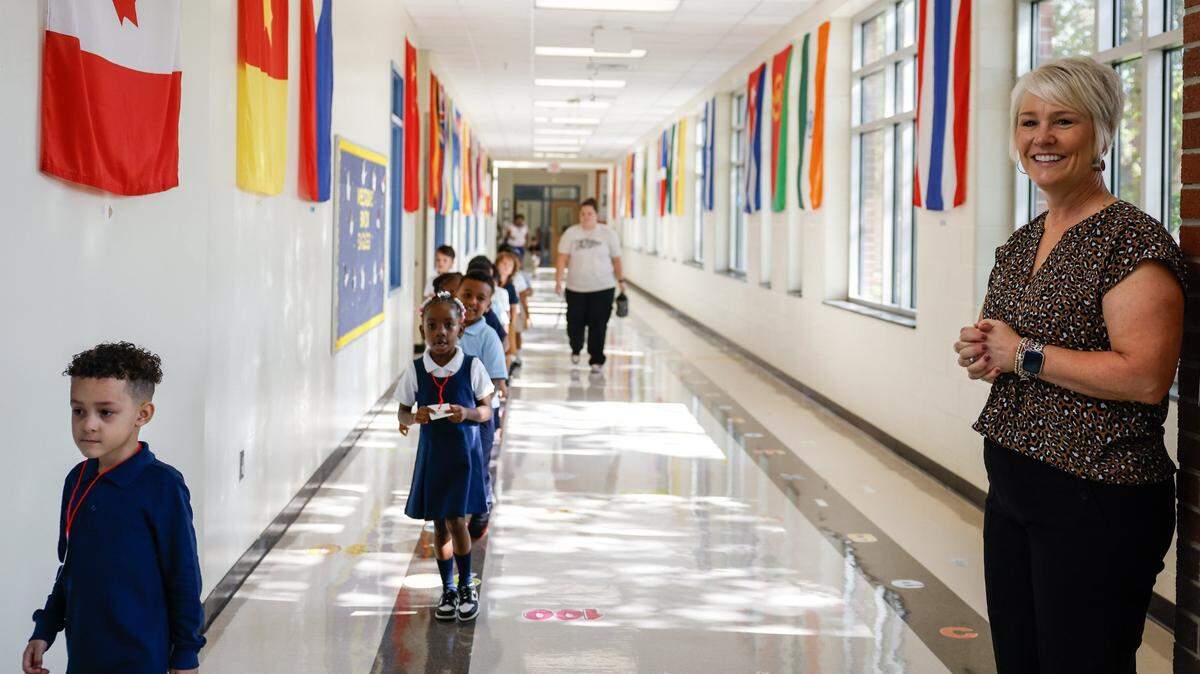
More than half of Charlotte-Mecklenburg Schools were in the top 50% of schools in the state for student growth, new data shows.
As a result, the 97 principals at those campuses will receive bonuses from the state, ranging between $1,000 and $15,000.
For the second consecutive year, the majority of CMS schools surpassed state expectations and this year the district ranked 24th for its share of schools in the top 50%, out of the state’s total 115 districts.
Schools receive performance grades from the state each year that are not only based on student test scores but also on the growth in those scores year-over-year. The North Carolina Department of Public Instruction sets estimates of how much they expect a student performance to grow from one year to another, and schools are classified as meeting, not meeting, or exceeding the state’s growth estimates.
For example, a school might have lower test scores than others in the district but still see a greater improvement in student performance from one year to the next. Schools that “exceed growth” are those that are on a trajectory to improve student performance year-over-year, according to the state’s projections.
To make those determinations, North Carolina uses a system called EVAAS to compare students against themselves and assess the amount of progress they have previously made across all tested grades and subjects.
In the 2023-24 school year, 97 of the 184 total schools in CMS ranked in the top 50% in the state for growth. That’s the same number as the 2022-23 school year.
A total 146 schools in CMS – out of 184 schools in the district – met or exceeded their growth targets last year. That’s 83.4% of schools in the entire district and the highest number the district has ever had in that category.
“It is, I think, particularly notable because we are such a large district, specifically the second largest in the state,” Beth Thompson, CMS chief strategy and innovation officer, told The Charlotte Observer. “When we have 184 schools, to say that we had 83.4%, we’re just super, super proud about that.”
Eleven schools in the district were among the top 5% of the state for growth, and their principals will receive a state bonus of $15,000.
The consistency in growth across two school years means the district is heading in a promising direction, says Melissa Balknight, the deputy superintendent of CMS.
“We are doing a really good job at the school level, making sure that our kids exceed what is expected of them by the state to really get them back and above where they were even pre-pandemic,” Balknight said.
What strategies have worked
Balknight and Thompson say the district’s success has everything to do with monitoring student performance early and often and making adjustments quickly.
Every quarter, teachers and principals look at student performance data from their school, down to the individual student. Then, principals meet with district leadership who provide feedback on the data. That way, the district can assess how students are doing as early as the first quarter and change course if needed, rather than having to wait until end-of-course exams.
“Doing that on a regular cadence makes such a difference because then we kind of know how schools and students are doing at the end of the first quarter,” Thompson said.
Thompson said the meetings also are a way for educators from different schools to collaborate and compare notes about what works at their campus. Leaders can visit other schools to observe particular practices and how they can implement them at their school.
“I think they love to come into the sessions and be able to do that work together with their school teams and then they’ll also collaborate with other school teams,” she said. “So it’s really opened the district up to really have more ongoing professional development embedded in real time. I think, before last year, those types of things were being done, but they were being done kind of in isolation at each school.”
Studies show the most critical factor in improving student outcomes is having a high quality teacher. About 10 years ago, CMS began building what it calls its “Teacher Leader Pathway.” As part of the program, educators with a history of high student impact get additional opportunities for professional development as well as up to $18,250 added to their salary by working at schools where they’re most needed.
Professional development opportunities and pay incentives can help increase teacher retention, says Brenda Berg, president and CEO of education advocacy non-profit Best NC. And Charlotte is ahead of the curve when it comes to that.
“I would say Charlotte has been a leader in the state on this,” Berg said. “What that does is it helps attract great teachers, especially to schools that need them the most and where they may not have considered teaching before.”
While CMS has had this program in the works for 10 years, Berg says many districts in the state are just now getting started on the same path.
This story was originally published November 11, 2024 at 11:37 AM.