Charlotte-Mecklenburg Schools board to talk immigration protections after Trump’s orders
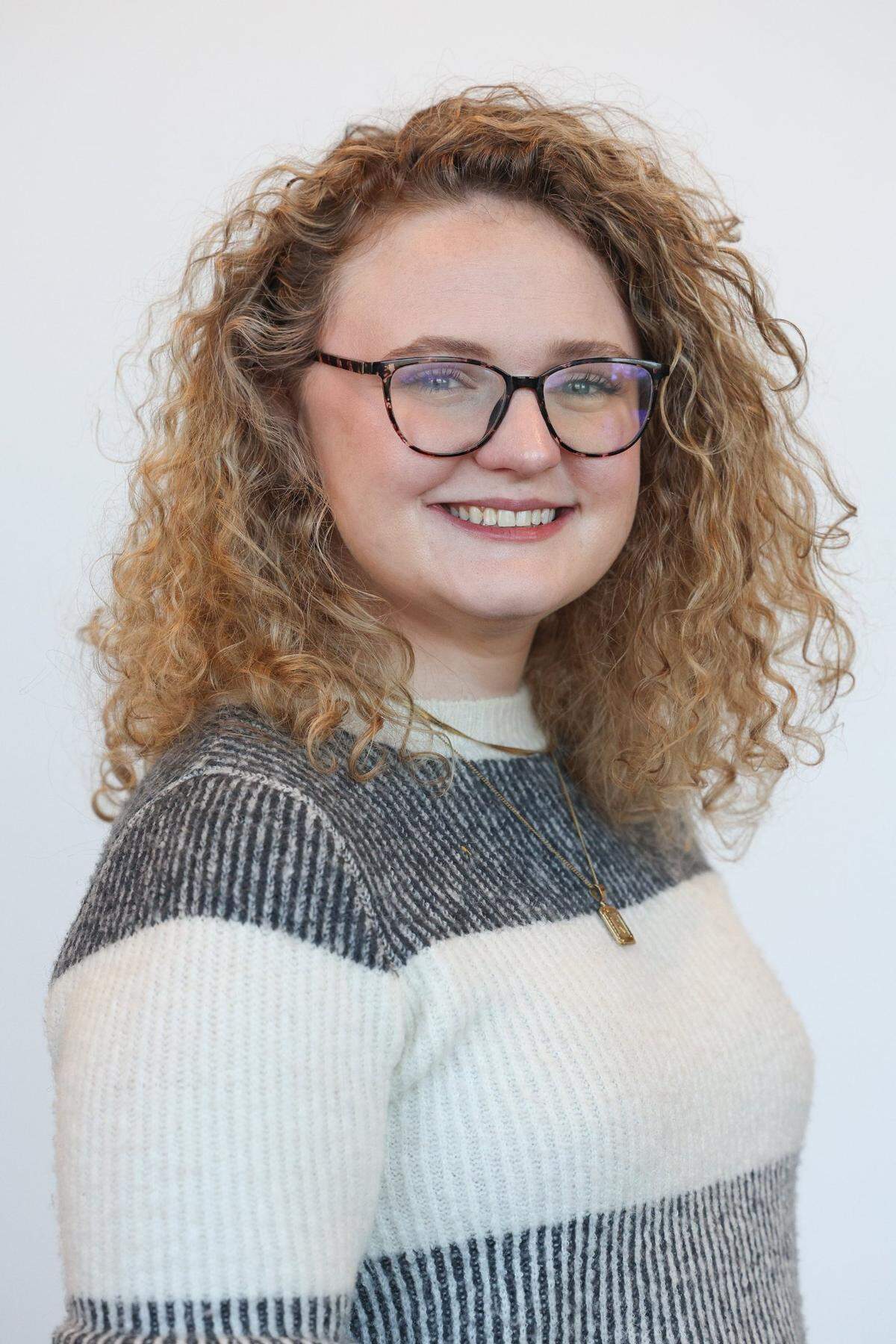
Charlotte-Mecklenburg Schools board member Liz Monterrey Duvall says she’s taking steps to protect undocumented students following new immigration orders from President Donald Trump’s administration.
Shortly after Trump took office, the Department of Homeland Security made schools and churches – locations previously off-limits – fair game for raids by Immigration and Customs Enforcement. The department’s previous directive to protect “sensitive spaces” had been in place since 2011.
“It’s critical that we educate the community about the rights and protections that exist for undocumented students,” she told The Charlotte Observer. “I’m a daughter of immigrants, and I understand the deeply ingrained fear that folks may have, so it’s really important that we equip them with the education.”
The CMS board’s intergovernmental relations committee meets virtually Friday at 11 a.m. Monterrey Duvall is on the committee and says protection for undocumented students is something she’s proposed on the board’s legislative agenda.
“We are going to explore whatever options we can, and there will be challenges,” she said. “But it will absolutely be proposed as part of our legislative agenda, and it will be discussed.”
At the end of the 2023-24 school year, CMS had 24,318 students enrolled who listed a country other than the United States as their country of birth. That figure includes those with legal status and those who are undocumented. School districts cannot collect information related to a student’s immigration status.
CMS students represented 175 countries of origin and 146 native languages, as of August. Teachers, students and families in CMS have expressed fear about what Trump’s administration could mean for undocumented students.
Undocumented student rights
Trump campaigned heavily on immigration reform, pledging mass deportation and cracking down on illegal entries at the southern U.S. border, and he took the first step after being sworn in Monday. Trump signed an executive order to end a century-old immigration practice known as birthright citizenship guaranteeing that children born on U.S. soil are citizens, regardless of their parents’ citizenship status. Twenty-two states, including North Carolina, have already sued to block the move. His administration followed that announcement with Tuesday’s news about “sensitive spaces” arrests.
So, what rights do undocumented students have?
All children in the U.S., regardless of citizenship status, are currently guaranteed the right to a basic public education by the U.S. Constitution.
“I think people have a fear they’re not going to be allowed to go to school, but as of right now, very few policies have changed,” said Shray Shetty, an attorney with the North Carolina Justice Center. “I think a lot of it is right now, people are responding to the rhetoric and the fear.”
Repealing undocumented students’ rights would be a hefty legal change, likely requiring a Supreme Court ruling overturning the precedent set in the landmark case “Plyler v. Doe.” It established that all children residing in the U.S., regardless of immigration status, have the right to a free public education. This isn’t the kind of thing that could be done through executive order, Shetty said. It would require legislation or a significant shift in judicial interpretation.
Still, Shetty says ICE officers need a court order to enter school grounds. Student records are also protected by federal law, and ICE cannot access them without parental permission or a court order.
“If there’s no court order, there’s a discussion between school leadership and ICE about why they’re there, what areas of the school are off-limits, etc.,” Shetty said. “So, those sorts of conversations are important for school districts to be having about how to protect student privacy.”
Charlotte-Mecklenburg Schools immigration concerns
CMS provided legal guidance in November and shared updates on Jan. 17 about what school leaders should do if immigration enforcement asks to enter a school or speak to a student.
Still, some educators say the district can do more. Rae LeGrone, a teacher at Olympic High School and vice president of the Charlotte Mecklenburg Association of Educators, says her students are worried.
“Many of my students are frightened for themselves, their families and their friends,” LeGrone told the CMS Board of Education at its meeting Jan. 14. “Guardians need to see us proactively supporting our immigrant families. They need to know we have a plan to keep their students safe.”
LeGrone called on the district to “embark on a public-facing communication campaign with our families in the community,” in order to ensure families and CMS staff know students’ rights and the protocols for interacting with government officials.
“Staff need to know that voluntary reporting of a student’s status violates their rights and that students have the right to not self-incriminate when speaking to officials,” LeGrone said. “All staff should know this legal guidance and specifically, front office staff and bus drivers should be trained in protocols when engaging with officials.”
CMS hasn’t yet disclosed any further plans related to informing students, staff and community members’ of undocumented students’ rights.
This story was originally published January 22, 2025 at 12:53 PM.
CORRECTION: This story has been corrected to state that Charlotte-Mecklenburg Schools first shared immigration-related legal guidance in November and updates in January. The story previously included an incorrect date.