NC saw an increase in 2024 math scores, new data show. This state policy could be why
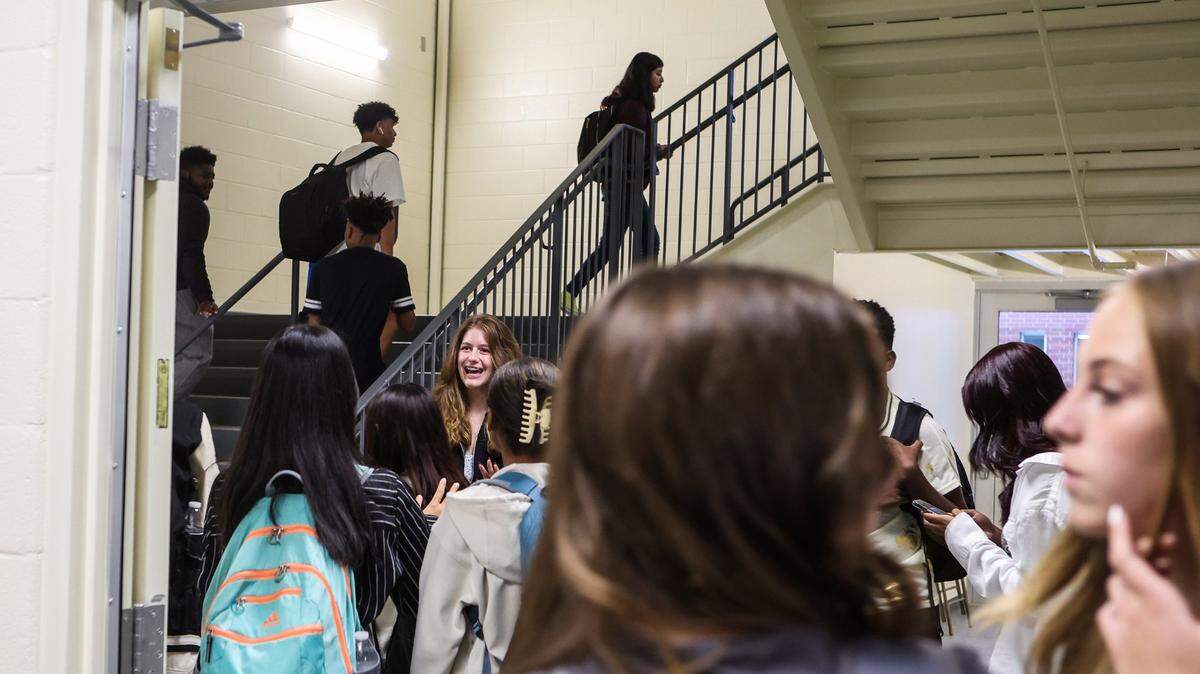
North Carolina is among a handful of states to see a bump in middle school math scores on a recent national assessment, new data show.
Experts say it’s thanks to a state policy that places students into advanced math courses who might otherwise be overlooked.
The state is one of five to see an uptick in eighth grade math scores on the latest NAEP, sometimes called the Nation’s Report Card. On the assessment, North Carolina ranked first in mathin southeast states.
It was one good outcome in an otherwise bleak NAEP report – reading scores dropped around the country, and students in nearly every state still are not performing at pre-pandemic levels.
Auto-enrollment policy
Education advocates say the jump in NC math performance may be due to a policy in state law that automatically places the top 25% of scorers on a sixth grade math assessment into advanced math classes moving forward. This eventually gives them access to math classes with college credit, such as Advanced Placement, International Baccalaureate and dual enrollment courses.
“The goal is to identify early who the kids are that are ready for those advanced math opportunities and then get them into that pathway with no additional paperwork, no meetings,” said Lindsey Henderson, math policy director for ExcelinEd, a national education advocacy organization. “We’re just scooping them up and giving them access.”
The policy has been in place since 2018. As students age, their math skills continue to develop on the advanced track, which could be part of why scores have improved.
One result of the policy is more children from underrepresented backgrounds around the state, such as students from socioeconomically disadvantaged households, are getting access to the accelerated math track.
“They’ve shown that they’re diversifying the advanced math classes in terms of socioeconomic status and ethnicity and race since 2018, but they’re also maintaining high levels of student success in those advanced math classes,” Henderson said.
The policy helps weed out bias that otherwise might keep kids out of advanced math, says Brenda Berg, president and CEO of BEST NC, an education advocacy nonprofit. Prior to the law being passed, about 10% of students who qualified for advanced math classes weren’t being put on the advanced track. Now, that’s down to 2%.
“We can’t fully identify why those 10% were kept out, but it could be because of notions about which kids were capable and which kids weren’t,” she said. “For example, someone might have the expectation that only a kid who has two parents at home could do it, or only a kid that shows up with his hair washed every day, or only a kid that behaves in class. Bias can take many forms, but this policy takes all of that away.”
North Carolina was the first state to enact an auto-enrollment policy, but Texas and Washington have since followed suit.
Berg says one approach to raising reading scores could be to adopt a similar approach to placement in advanced reading curriculum.
However, all of the growth seen in this year’s NAEP math results in North Carolina was due to higher scores among the top quartile of students. Meanwhile, the gap between the highest performing students and the lowest performing students widened.
What can be done to help low-performing students?
“The biggest thing is to invest in our teachers,” said Berg.
She added, students who are not enrolled in advanced math classes are more likely to have teacher vacancies in their classrooms, since educators are often drawn to teaching classes with more challenging coursework.
Rebecka Peterson, a math teacher in Tulsa, agreed.
Peterson, who was named teacher of the year in 2023 by the Council of Chief State School Officers, said paying teachers fairly and providing them with adequate support should be a top priority for every state.
“If we’re not intentional about recruiting and retaining our teachers, then these policies become really difficult to implement,” she said.
Berg added, the other priorities should be strong school leadership, high quality instructional materials across the board and educators who believe every student has the potential to learn and succeed.
“I was asked, ‘What percentage of our students could perform at proficient levels?’ The answer is all of them,” Berg said. “Let’s start with that expectation.”