NC district stopped students from playing game about LGBTQ figures, ACLU lawsuit claims
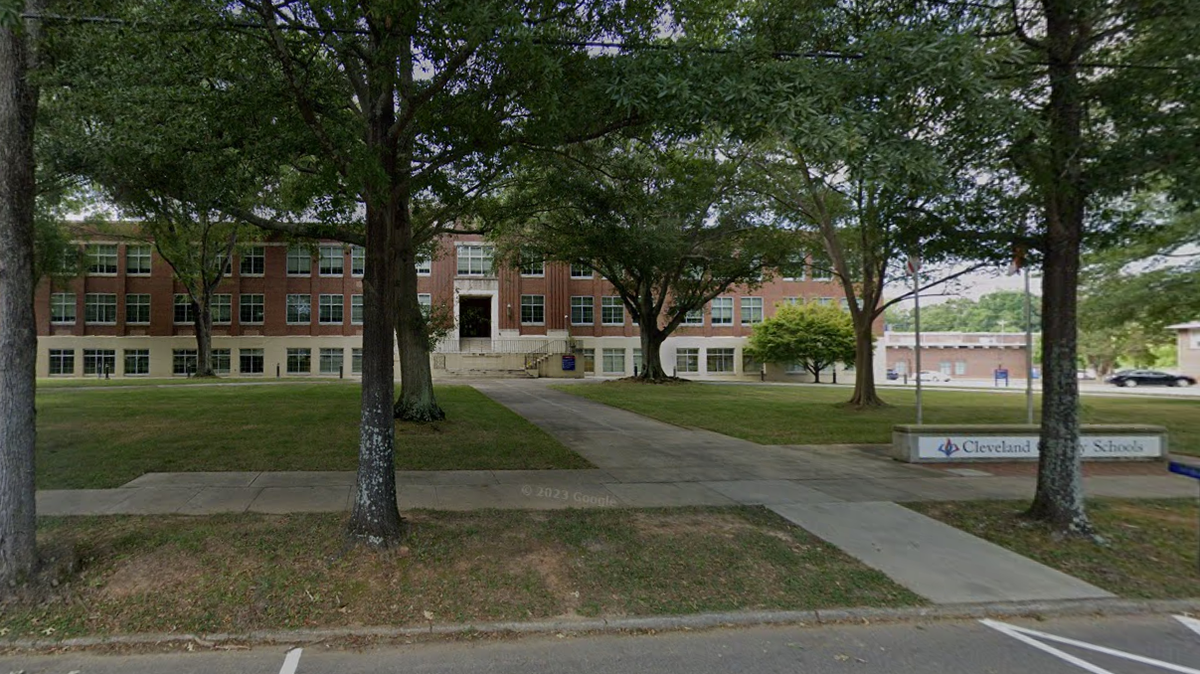
The American Civil Liberties Union filed a lawsuit against the board of Cleveland County Schools, alleging it violated students’ rights by prohibiting a student club from playing a trivia game about important LGBTQ figures.
The suit filed Wednesday in the United States District Court for the Western District of North Carolina alleges the Cleveland County Schools Board of Education violated students’ rights to free speech, freedom of association and equal access to school resources last spring. It claims district officials were concerned about the game’s legality under the NC Parents’ Bill of Rights and argued it violated district policies.
“It is longstanding law that students do not shed their constitutional rights at the schoolhouse gate, and school officials cannot prohibit student speech simply because they disagree with its message or find it uncomfortable,” said Ivy Johnson, staff attorney for the ACLU of North Carolina, in a statement Wednesday. “Acknowledging that LGBTQ+ people exist is not inappropriate or indecent.”
Cleveland County Superintendent Stephen Fisher, school board Chair Joel Shores and Vice Chair Aaron Bridges have not responded to emails from The Charlotte Observer about the suit.
What the suit claims
The game did not include any depictions of sex, violence, illegal drug use or any other inappropriate content, the lawsuit alleges. Instead, it “asks students to identify people like Harvey Milk, Lady Gaga, and Ellen DeGeneres, as well as pieces of popular media that feature LGBTQ+ characters or actors,” according to the lawsuit.
However, the plaintiff – referred to only as MK in the lawsuit – claims the school board prohibited the game, deeming it “indecent.”
The Activism Club at Shelby High School was student-founded and previously discussed topics not covered in school curriculum, such as the Black Lives Matter movement, the war in Gaza, Women’s History Month, suicide prevention and breast cancer awareness. Participation in the club is voluntary, and students do not receive grades or academic credit for participation, according to the lawsuit. Prior to the incident, the school board had never prohibited any of the club’s activities but did require parental permission for participation in some discussions.
The student initially proposed the activity last spring. The club’s faculty advisor approved it, but the school’s principal sought approval from Fisher, according to a demand letter the ACLU sent to the Cleveland County Schools Board of Education Dec. 4.
When students again requested to do the activity in the fall, the school district prohibited the activity, the letter said.
Fisher was concerned about the activity’s legality under Senate Bill 49, or The Parents’ Bill of Rights, according to the letter. The North Carolina law passed in August 2023 has a number of sweeping provisions, including prohibiting “instruction on gender identity, sexual activity or sexuality,” in kindergarten through fourth grade. It does not prohibit such topics in high school.
According to the ACLU demand letter, Fisher later cited two district policies as the basis for the decision in a letter to the student’s father: “Selection of Instruction Materials,” which deals only with materials related to the official school curriculum, and “Distribution and Display of Non-School Materials.”
“The school district’s reference to both policies appears contradictory. Either the district believes the Activism Club is related to the curriculum and subject to the instructional materials policy, or that it is non-curricular and subject to the non-school materials policy,” the ACLU letter to the board read. “The school district has not explained which provisions of which policy provided the real basis for its decision.”
According to district policy, the only non-academic materials the district can prohibit students from distributing are those that are “lewd or obscene,” contain libelous statements, abusive language or personal attacks, threaten a “substantial disruption to school activity,” encourage breaking the law, are age inappropriate, are inaccurate or promote products illegal for minors.
An attorney for the district responded Jan. 20, according to the lawsuit, stating, “In this instance, it was determined that the suggested game was indecent based on community standards, inappropriate for display considering the age of students and encouraged the violation of school regulations.”
It cited a portion of the trivia game that mentioned an individual “expressing her bisexuality,” and the inclusion of song lyrics that referenced cigarettes, the lawsuit alleges.
This story was originally published February 7, 2025 at 6:00 AM.