UNC Charlotte, ECU both get top tier research university honors in new US ranking
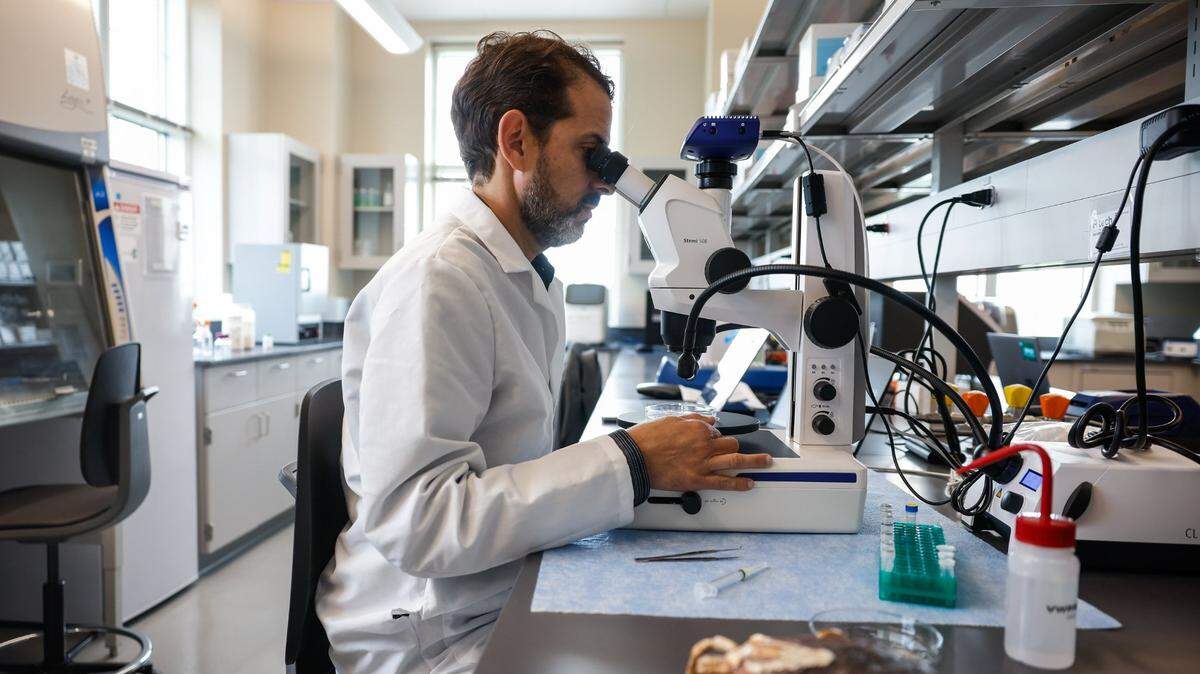
UNC Charlotte officially achieved Research 1, or R1, status this week, after doubling its research spending over the last decade.
The honor, which East Carolina University also earned this week, establishes the school as a top research university in the U.S. and could potentially help attract faculty and students alike.
The research rating, formally known as the Carnegie Classification of Institutions of Higher Education, was created in 1970 to help researchers compare, group and study the 3,939 different universities in the U.S. Despite not originally being intended for public use, the classification is now used to determine prestige, attract funding and faculty. It also informs government policy, and legislators use it to determine government appropriations.
UNC Charlotte R1 status
For years, UNC Charlotte has been classified as an R2 university, one rung below the top.
Prior to this week, Charlotte was one of only two of the biggest 25 U.S. metropolitan areas without an R1 school — the other is Portland, Oregon.
“A lot of people used to tell me when I first got here ‘Well, we try to work with other R1’s in North Carolina, but they’re a couple of hours away,’” UNC Charlotte Chancellor Sharon Gaber told The Charlotte Observer in May, as the school anticipated it would earn the honor. “Every great city has a great research university … Charlotte deserves that.”
The classification was determined by a set of calculations prior to this year, using factors like school size, setting, enrollment and, most importantly, the highest level of degree awarded. This year, it started using a standard benchmark to determine research status. It will also remove the cap on how many schools can qualify as R1.
There were 146 R1 schools in the country prior to the change. Now, there are 187.
“The number one driver for UNC Charlotte not having R1 status before had everything to do with us not having a humanities PhD program,” UNC Charlotte chief research officer John Daniels said in May. “That was the single greatest limiting factor.”
To be considered R1, universities must spend at least $50 million on research and have at least 70 research-based doctoral programs. In fiscal year 2023, UNC Charlotte spent $92 million on research. It awards an average of 160 doctoral degrees each year.
“Achieving R1 status reflects our commitment to establish Charlotte as a top-tier research institution,” Gaber said in a news release Thursday. “This milestone is the result of the dedication and innovation of our faculty and staff, whose work attracts top talent and critical support. It also fuels economic growth, with research investments driving a five-fold return, strengthening the regional workforce and contributing to Charlotte’s economy.”
East Carolina University R1 status
East Carolina University also achieved R1 status this week. It spent $67 million on research in 2023 and a total of $327 million over the last four years.
“R1 status is a major achievement not just for the university, but for the entire region,” said Sharon Paynter, interim ECU chief research officer. “It will bring new resources, new collaborations and new opportunities that will help address global challenges while strengthening the local economy.”
Could cuts affect research?
It’s not yet clear how potential cuts to National Institutes of Health grant funding could affect UNC Charlotte’s research activities, as President Donald Trump’s administration seeks to cut hundreds of millions in medical research funding. The move is currently being challenged in court.
UNC Charlotte has received $56 million in NIH grant funding since 2015 – the most of any Charlotte organization.
“Like most other research universities, we are closely following the executive directives and subsequent litigation related to research funding,” said Christy Jackson, UNC Charlotte deputy chief communications officer. “We will await greater clarity regarding the outcomes of these changes before commenting on any potential impacts on our campus.”
This story was originally published February 13, 2025 at 10:22 AM.