ACLU lawsuit challenges bans of pro-Palestinian protesters from UNC-Chapel Hill campus
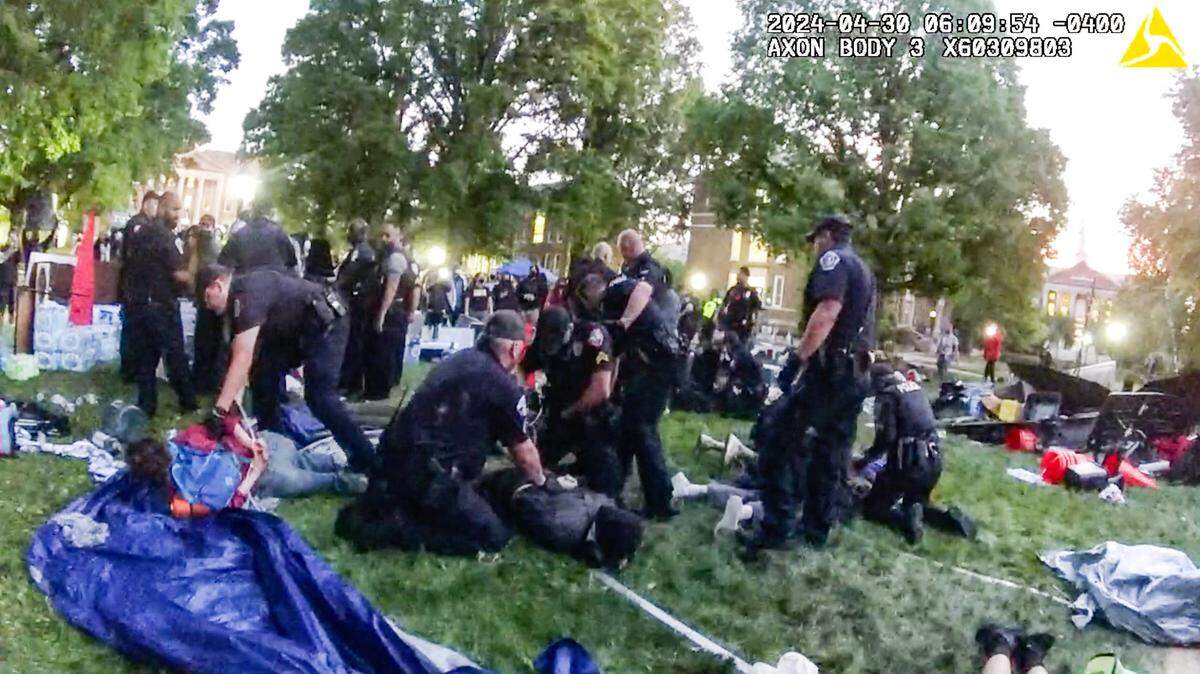
Three advocacy groups filed a lawsuit against UNC-Chapel Hill on Tuesday, alleging the university violated pro-Palestinian protesters’ rights to free speech and due process when it banned the demonstrators from campus in connection to their involvement with a multi-day tent encampment last spring.
The American Civil Liberties Union of North Carolina, Emancipate NC and Muslim Advocates filed the complaint on behalf of five plaintiffs: Laila Dames, a student at Duke University; Emily Rogers, a professor at Duke; Kathryn Newman, an alumna of Meredith College; and Mathangi Mohanarajah and Anshu Shah, both UNC students.
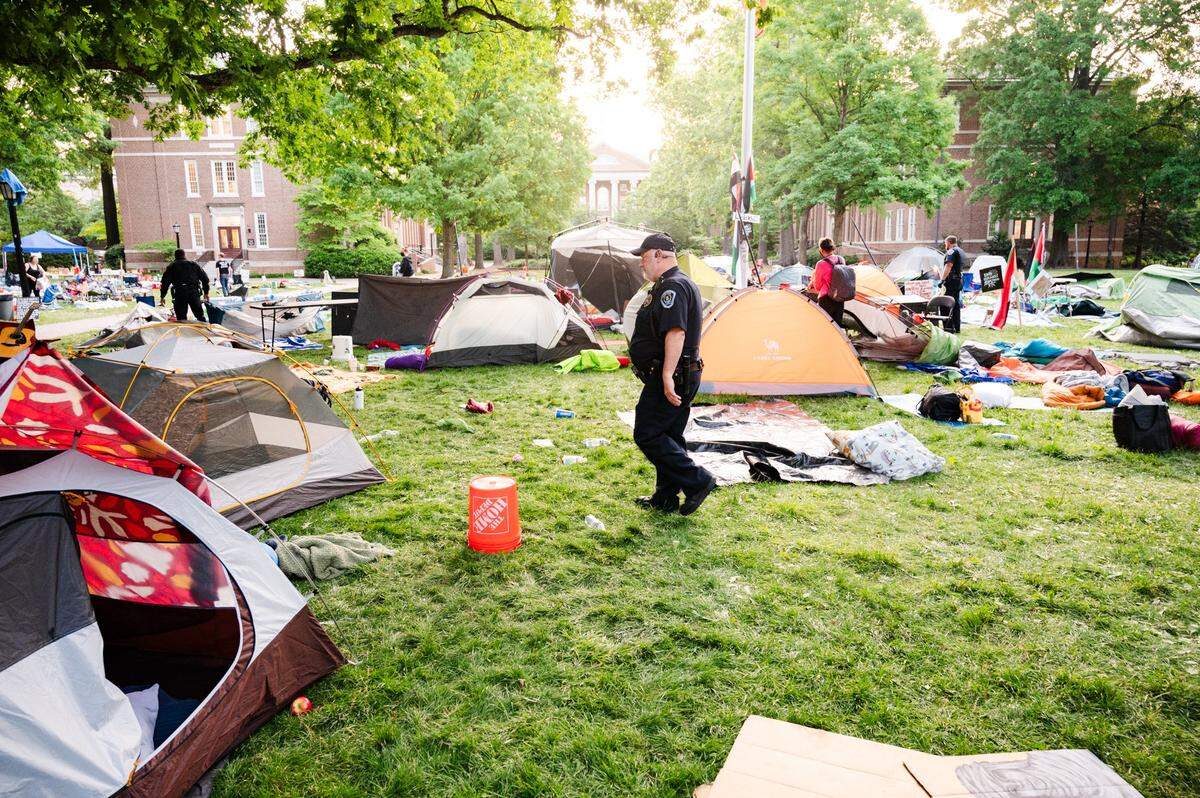
All of the plaintiffs participated in the “Gaza solidarity encampment” that stood on Polk Place, in the center of the UNC campus, for four days last April. Over multiple weeks last spring, pro-Palestinian demonstrators established similar encampments on college campuses around the country in protest of the Israel-Hamas war.
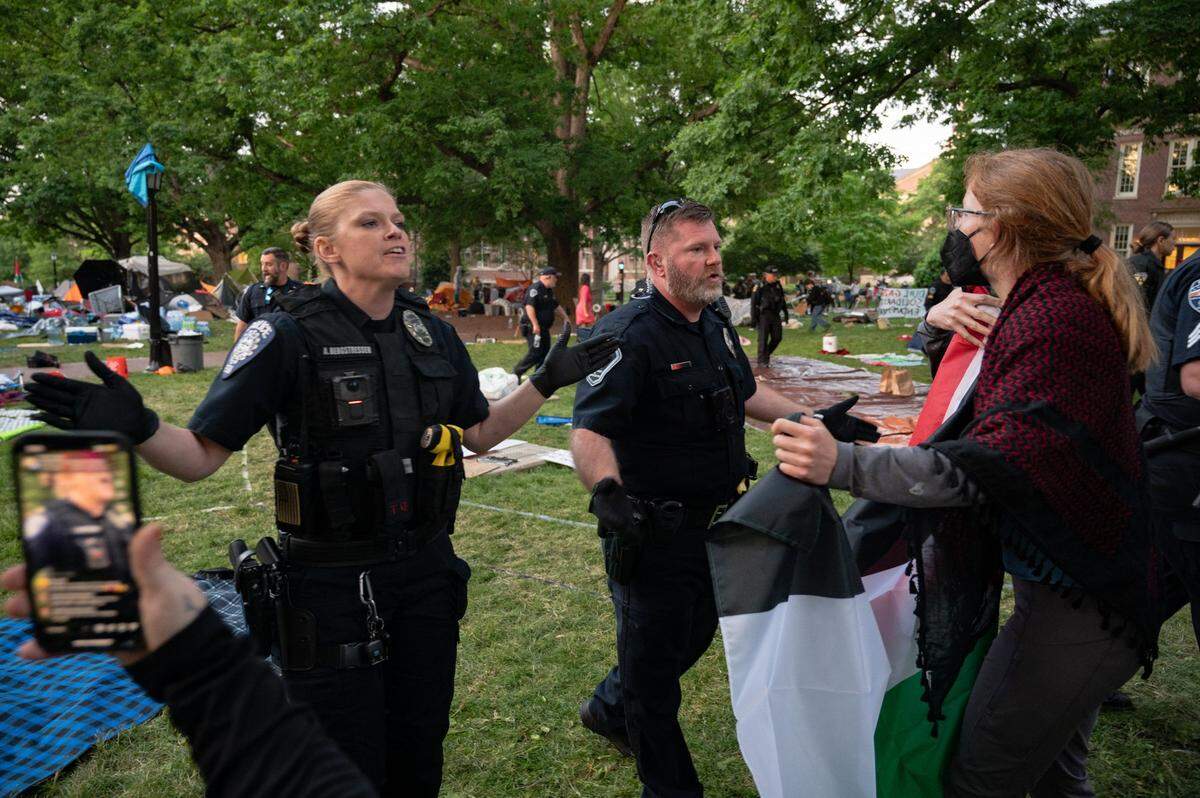
On the morning of April 30, police from UNC and other campuses in the public UNC System forcibly disbanded the encampment and charged 36 protesters with trespassing — plus additional charges, in some cases — after the group refused to comply with orders from police and university administrators to remove their tents. In ordering the group to disperse, a statement from UNC Chancellor Lee Roberts and provost Chris Clemens warned that those who did not comply could face possible arrest, or suspension or expulsion from the university.
Dames, Rogers and Newman, who were not UNC students, were all arrested and cited with second-degree trespassing as police disbanded the encampment. Although their charges have been dropped, the lawsuit states, they each remain banned from campus.
Mohanarajah, who was on a leave of absence from her studies at UNC at the time of the encampment, did not face charges for her role in the encampment, but was suspended from UNC “without a hearing” and remains banned from campus for her involvement, per the lawsuit. Shah did not face charges, nor disciplinary action, for his participation in the protest, but “has been hesitant to exercise his First Amendment rights” since police disbanded the gathering, the lawsuit states.
Roberts and several other UNC administrators, including UNC Police Chief Brian James, Dean of Students Desirée Rieckenberg and Vice Chancellor Amy Johnson, are named as defendants. Several police officers who arrested protesters, including those at UNC and one with the Greensboro Police Department, are also listed as defendants.
In a statement, ACLU of North Carolina staff attorney Ivy Johnson said that administrators’ actions against the plaintiffs “run counter to the missions of higher education and the deep-rooted protections of the First Amendment.”
“The right to protest and speak freely is a fundamental pillar of our democracy and is especially important on university campuses, which often serve as social, cultural, and community gathering spaces for members of the public,” Johnson said. “Universities are and must be testing grounds for sharing, challenging, and defending the ideas that help shape a healthier democracy.”
UNC spokesperson Kevin Best said in a statement to The News & Observer that the university is aware of the lawsuit. ”We are committed to upholding the rights and responsibilities of all members of our community and remain dedicated to fostering an inclusive and respectful environment,” Best said.
Plaintiffs not afforded hearings, due process
The suit states that the plaintiffs who were not affiliated with UNC, either as students or faculty, were all “indefinitely banned” from campus without “an opportunity to be heard,” which the suit claims is a violation of the right to due process.
Similarly, Mohanarajah did not receive a hearing “or any form of process” regarding her suspension, the suit states, which is contrary to university policy on disciplinary proceedings. The suit also states that a university notice informing Mohanarajah of her suspension cited a trespass charge against Mohanarajah as the reason for the disciplinary action, even though she was not given a citation.
In letters informing the plaintiffs of their bans from campus, the lawsuit states, they were notified of a 10-day appeal process that provided them their “only opportunity to be heard and challenge” the decisions.
James, the university police chief who issued the bans and holds the sole authority over the appeals process, upheld the bans for Dames, Rogers and Newman, with the only exception for their coming to campus being if they are seeking medical treatment at the emergency department of UNC Hospitals.
The university lifted Mohanarajah’s suspension in October, the suit states, but she remains “partially banned from campus.” Under the terms of a partial ban approved by James in December, Mohanarajah can come to campus “as necessary” but is required to get permission from James “for campus-based activities, including classes, on a case-by-case basis.”
The lawsuit outlines personal and professional impacts that the plaintiffs have experienced as a result of being banned from campus.
For example, Rogers, the Duke professor, has been unable to attend academic speaking engagements she has been invited to on the UNC campus because of the ban, the lawsuit states.
“Were she not banned from campus, Plaintiff Rogers would attend and speak at multiple professional obligations and opportunities and would also continue to participate in First Amendment protected activities, such as protesting and gathering with fellow activists in the open, outdoor spaces of UNC Chapel Hill’s campus,” the suit reads.
Mohanarajah, meanwhile, has been unable to seek medical treatment at UNC Health facilities or obtain prescriptions on campus.
The lawsuit further alleges that James’ oversight and “maintenance” of the bans amounts to “unconstitutional censorship.”
Suit claims excessive force
The suit also details injuries that some of the plaintiffs sustained during their arrests, which the advocacy organizations said was a violation of “the right to be free from excessive force by law enforcement.”
Rogers, who uses a cane “to mitigate a mobility disability,” suffered torn cartilage during her arrest that later required physical therapy, the suit states. Dames sustained bruising and lacerations to her wrists during her arrest, while Newman suffered a concussion, the suit states.
Compared to several previous protests throughout UNC’s history, the suit claims, protesters who were arrested from the pro-Palestinian encampment faced “a far more hostile reaction” from campus administrators.
The suit notes that the Chapel Hill and Carrboro police departments did not assist UNC in its disbanding of the encampment, which the suit claims was “due to concerns over the legality” of the university’s actions.
“Despite Carrboro and Chapel Hill police emphatically rejecting UNC’s request, police departments all over the State, including as far away Boone, eagerly showed up to engage in violent, excessive force against individuals who were peaceful and committing no crime,” EmancipateNC staff attorney Jaelyn Miller said in a statement.
UNC has been criticized for its treatment of Palestinian protesters and students, as well as that of Jewish students — with separate investigations by the U.S. Department of Education’s Office of Civil Rights currently open into complaints alleging that the university engaged in “shared ancestry discrimination” against both groups.
On Monday, the Office of Civil Rights sent a letter to UNC System President Peter Hans regarding the open investigation into whether the university is violating Jewish students’ rights. The letter, one of 60 sent to colleges around the country with similar open investigations, warned that the university’s federal funding could be in jeopardy if it allows “illegal activities and harassment that result in Jewish students losing equal access to school facilities.”
This story was originally published March 11, 2025 at 7:19 PM with the headline "ACLU lawsuit challenges bans of pro-Palestinian protesters from UNC-Chapel Hill campus."