UNC Charlotte researcher’s grant cut for focusing on LGBTQ health, she says
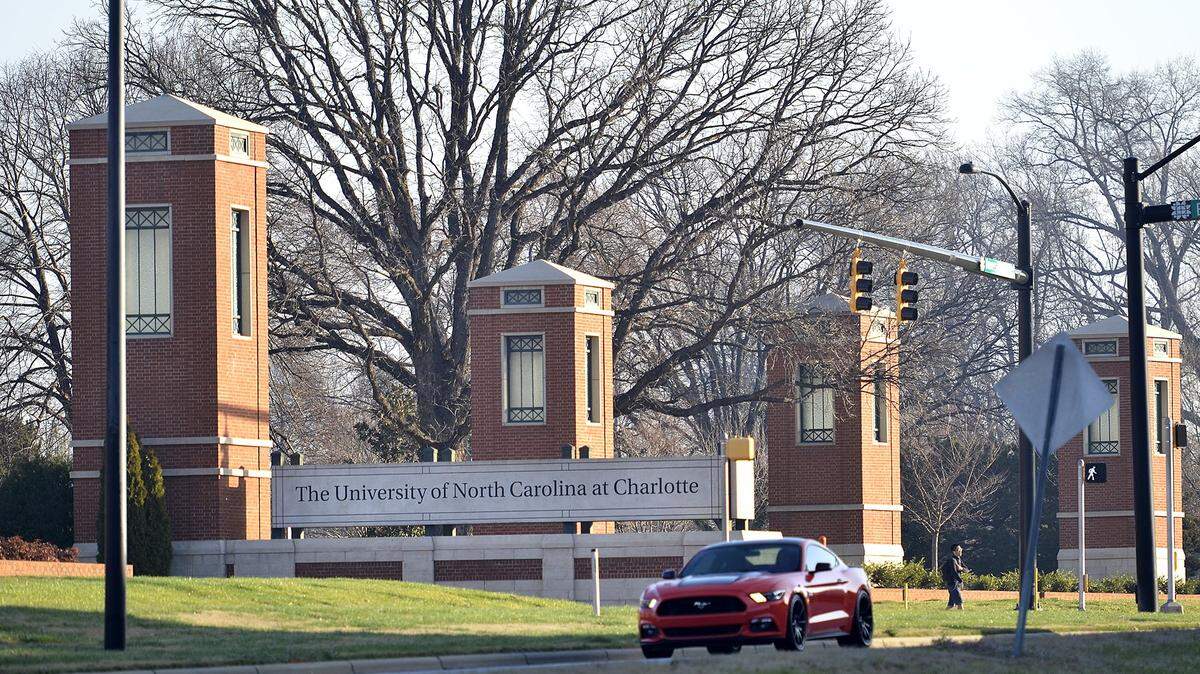
Annelise Mennicke and her team started trying in 2018 to get federal funding for their research at UNC Charlotte, and in April 2024, it finally came through.
On Mar. 20, it was rescinded. It’s one of multiple research grants to be cut at the university in 2025 following President Donald Trump’s inauguration.
“It’s pretty traumatic,” the professor in UNC Charlotte’s school of social work told The Charlotte Observer. “It’s something we had been working toward for a very long time.”
Mennicke’s team researches how to improve mental health outcomes for LGBTQ survivors of sexual abuse. She says the grant was canceled because it focused on LGBTQ health outcomes.
“This award no longer effectuates agency priorities,” states the termination letter her team received that she shared with The Observer. “Research programs based on gender identity are often unscientific, have little identifiable return on investment and do nothing to enhance the health of many Americans.”
The letter went on to claim “many such studies ignore, rather than seriously examine, biological realities.”
More than 68 grants at 49 universities around the country that the National Institutes of Health cut this month pertain to LGBTQ health research, the Associated Press reported last week. The grants totaled $40 million.
Four federal grant terminations at UNC Charlotte in 2025 were related to LGBTQ individuals or diversity, equity and inclusion, a spokesperson for the university told The Observer. Cuts from grants specifically given by NIH total $905,873.
A UNC Charlotte spokesperson said its research division is working with faculty to determine next steps.
Mennicke’s grant was just over $450,000. At only six months into a three-year project, around $400,000 of that hadn’t been spent yet. They intended to study the best ways to respond to someone when they disclose they’ve experienced sexual violence and train peers in those response techniques. Then, they would measure what effect that had on survivors’ healing.
“Research shows that people will often first disclose it to a friend who may not respond in a helpful way. That can lead to re-victimization, increased post-traumatic stress and other negative outcomes,” Mennicke said. “But with some training, peers may be able to respond in a way that’s better.”
Six students were employed by the grant and expected to be employed through the end of the year. With the termination of the grant, UNC Charlotte has promised to pay them through the end of the academic year, Mennicke said, but they’ll need to seek new jobs come summer.
To Mennicke, the message seemed clear.
“It seemed to imply that the inclusion of language that even merely acknowledges that trans people exist is why this grant was cut,” she said. “These people exist in our community... How are we supposed to make our community safer if we can’t even acknowledge they exist and include them in research studies?”
Sonyia Richardson, a researcher previously at UNC Charlotte and now at UNC Chapel Hill, also saw her grant be terminated. Richardson was studying how to prevent suicide among Black youth in Charlotte. Her research didn’t focus specifically on LGBTQ people but examined sexual orientation as one facet of the issue, as LGBTQ youth are at greater risk for suicide.
NIH is the largest public supporter of U.S. medical research. In North Carolina, the agency awards grants to nonprofits, foundations, health startups and dozens of universities. In 2023, NC State received $42.9 million through 116 awards. Yet given the NIH’s mission, universities with medical schools like Duke and UNC-Chapel Hill are the state’s biggest recipients.
Not only has the news taken a toll on Mennicke and her fellow team members, she says it’s a loss to Charlotte and the greater population as a whole.
“What this means for the LGBTQ community is there will no longer be an intervention for this,” she said. “And that could lead to decreased safety and worse mental health in our community.”
There could also be economic repercussions.
NIH data from 2023 show the return on investment from federally funded research is greater than 30 percent – every $1 of NIH funding generated approximately $2.46 of economic activity.
This story was originally published March 31, 2025 at 5:00 AM.