No memorials, no assemblies: How NC school districts deal with student deaths
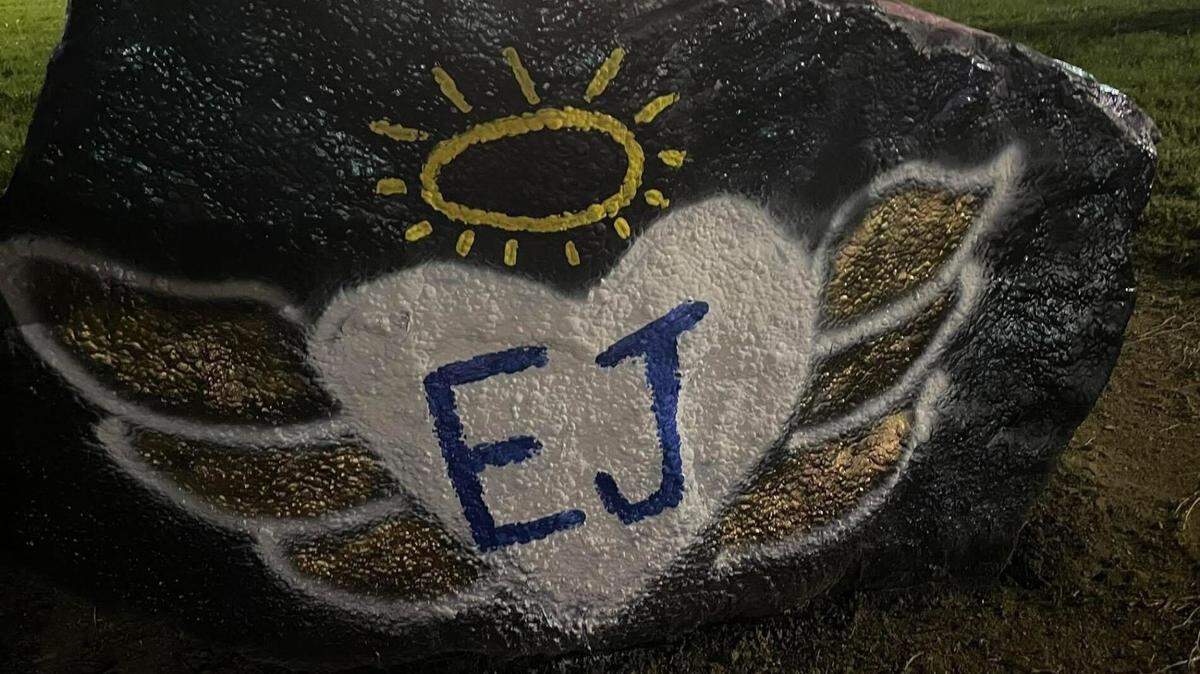
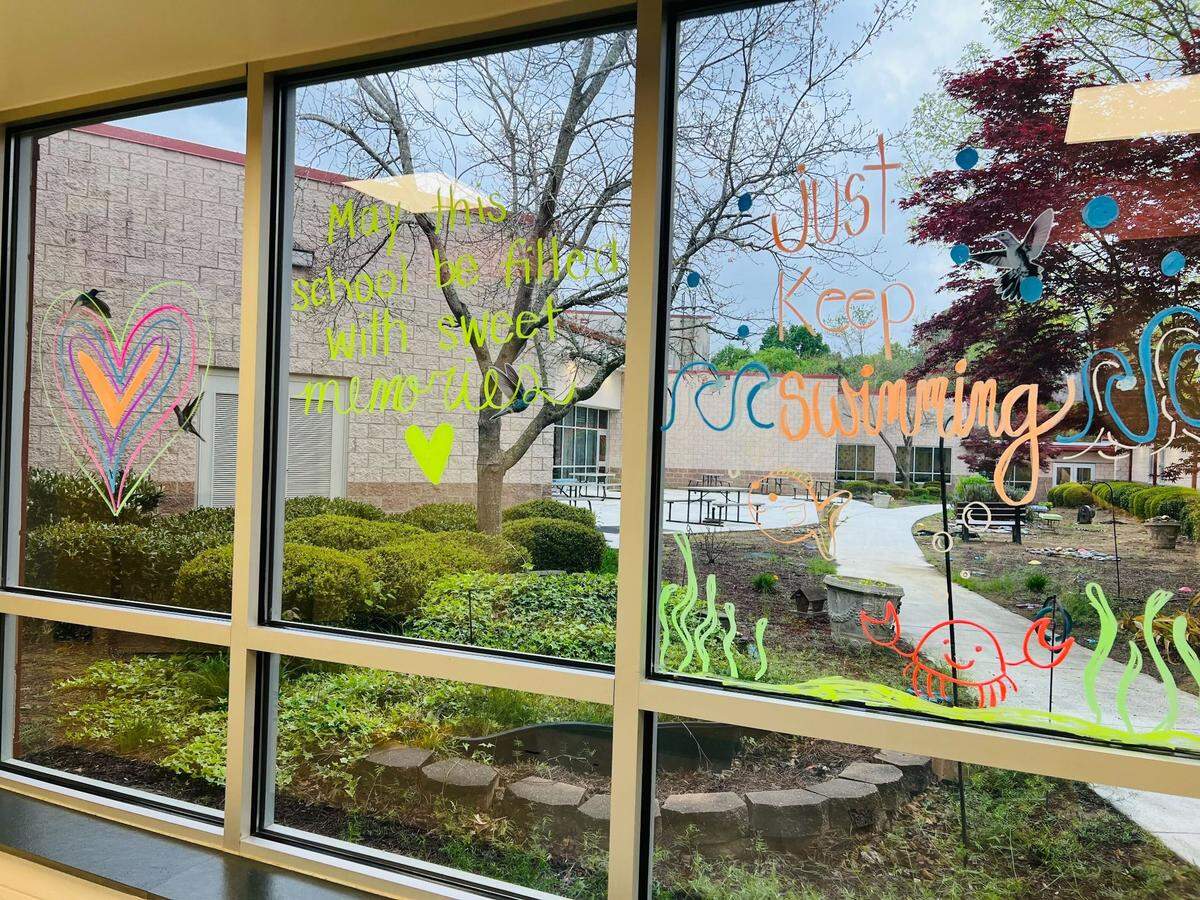
After a student at Fairview Elementary School died following a medical emergency, Samantha Hackney was shocked to hear the Union County Public Schools district wouldn’t allow memorials. PTO members were instructed to paint over a memorial rock, remove positive messages written on windows and halt plans to plant a tree, she said.
The directive was shared by the principal who cited the district’s “death protocol,” said Hackney, a member of the Parent Teacher Organization.
“I am deeply shocked and heartbroken that UCPS would deny our community the opportunity to grieve, heal, and honor this young life in meaningful ways,” Hackney wrote in an email to The Charlotte Observer. “These gestures of remembrance are not just symbolic, they are vital to our collective mourning and to showing support for the grieving family.”
Shortly after Hackney warned the district she reached out to members of the media, the directive was walked back and students and parents were allowed to keep the memorials, she said. Tahira Stalberte, the assistant superintendent of communications and community relations at UCPS, said the incident was a miscommunication between district staff and the PTO.
But for Hackney, it shone a light on a little-discussed policy that decides how parents and students are allowed to grieve in schools.
“It’s absolutely putting a band aid on the situation,” Hackney said of the exception to the protocol. “The world is not black and white, not everything has to abide by a very specific policy... I think the response was pretty embarrassing.”
Without a statewide protocol, school districts shape their own responses to student and staff fatalities, decide how students are notified, how lives are honored and shape the support offered in the aftermath.
After hearing about the case in Union County, the Observer contacted several school districts in the area to ask about their policies for responding to student deaths and received responses from three.
How are classmates informed of deaths?
Cabarrus County Schools follow a crisis response model developed by the National Association of School Psychologists, said Amy Jewell, the district’s director of student and family support.
The district takes a case-by-case approach to notify students after a classmate’s death depending on the family’s wishes and the cause of death, Jewell said. If the family permits it, teachers or counselors use prepared scripts to deliver the news in classrooms. The information is usually brief and focused on dispelling rumors, she said.
When the news is delivered, support staff are on stand by to support students upset by the news or who need to leave class.
“At the forefront of the response, we have to be really intentional about our communication and making sure that we’re following the family’s wishes,” Jewell said. “Some families are very open, and they’re very embedded in the school community. And in some situations… it becomes a little bit trickier when these fatalities, although they’re all tragic, are very sudden.”
Charlotte-Mecklenburg Schools follow the same National Association of School Psychologists model, according to the CMS Crisis Response Guide. The district similarly informs students of fatalities on a case-by-case basis. Announcements or moments of silence over intercoms are prohibited.
CMS shares information sensitively and personally, with classroom teachers or counselors leading the conversation, according to the guide.
At UCPS, guidelines for dealing with student fatalities are more open-ended, depending on the type of situation.
“We always go back and use the protocol as something to look at and say, ‘should we do something different in this situation?’ It should be a case by case basis,” Stalberte said.
The Union County protocol calls for the principal to reach out to families and determine what should be shared with classmates, according to the district’s crisis management checklist. Prepared statements are read in assigned classrooms by staff, not during a large assembly. Staff are required to read prepared statements verbatim.
Memorial Policies
Guidelines about memorials are one of the greatest differences between district crisis practices.
The UCPS written policy discourages permanent memorials after a student’s death, as well as memorial services.
Cabarrus County Schools similarly discourages permanent memorials such as trees and plaques because they need to be maintained, Jewell said. She advises caution against memorials around suicide to discourage suicidal thoughts. Instead, schools may honor students with temporary gestures, such as themed days tied to the student’s interests.
Charlotte-Mecklenburg Schools is more lenient with its memorial policies, allowing both permanent and temporary memorials. Guidelines suggest memorials such as plaques, artwork and memory books. Though memorials need to be permitted by the student’s family.
CMS bars balloon releases, assemblies and public gatherings during school hours.
The guidelines state memorials can help the community express grief, but doing so in a safe and respectful manner is important.
Available Resources
UCPS has crisis teams that include mental health therapists, social workers and counselors trained in grief counseling, Stalberte said. The most important thing for parents to know about student fatalities is that the district is able to provide help to students and families, she said.
CMS has school counselors, psychologists, social workers and crisis response managers to assist grieving students and families, according to the crisis counseling guide. The district prepares strategies to cope with tragedy and looks at how to prevent harm in the wake of student deaths.
Like the other districts, CCS has staff to support grieving families, including school counselors, social workers, psychologists and nurses, Jewell said. It also encourages check-ins, support groups and can provide referrals to outside counselors.
“Parents need to know that there are teams of people at schools that are trained to support this very instance and if and when those tragedies do occur they are a teammate with us,” said Amy Lowder, CCS director of student safety and well being. “Because the grief doesn’t end just the day that it happens.”
This story was originally published May 5, 2025 at 5:00 AM.