Why some NC students could lose college aid with ‘One Big Beautiful Bill’ Pell Grant cuts
Higher education leaders worry the House’s version of the “One Big Beautiful Bill” would jeopardize Pell Grants for thousands of NC college students. The Senate, however, is less eager to restrict the program.
A Pell Grant provides money to low-to-moderate-income students to help them pay for college. Unlike a loan, it does not need to be repaid. Though the Pell Grant program, which has been in place since 1972, is popular across both sides of the political spectrum, lawmakers have recently tried to restrict it to cut federal spending.
Proponents of the change say cuts would address the $2.7 billion shortfall the Pell Grant program is projected to hit this year. But more nearly a third of college students in North Carolina receive the grants and could be affected.
The U.S. House’s cuts included limiting eligibility to students who take a minimum of 30 credits per year and reducing the maximum possible award by about $1,500.
Opponents of the change say it would mean hundreds of thousands of students nationally would be kicked off the program entirely because they’re part-time students who work or care for children in addition to their studies.
“Fifteen credits a semester is not practical for a lot of students, especially for Pell Grant recipients, most of whom are working while they’re in college,” Paige Swanstein, cofounder of The Student Basic Needs Coalition, told The Charlotte Observer. “Reducing the maximum Pell Grant would be going backwards. Financial aid policies have not kept up with inflation or cost of living.”
The Congressional Budget Office projects, under the House’s proposal, about 10% of the nation’s over 6 million Pell recipients could lose their eligibility, while most others would receive less from the program than they currently do.
The Senate stripped out most House Pell Grant cuts. Instead, its version would deem students ineligible if they already receive state, federal, institutional or other aid that covers the full cost of attendance, which many higher education advocates and campus leaders find more favorable.
But the bill must return to the House for a final vote if the Senate approves a different version. House Speaker Mike Johnson has indicated, if the bill passes the Senate, his chamber could be ready to vote on it as early as July 2, with the goal of sending it to President Donald Trump’s desk by July 4.
Pell Grants in North Carolina
Approximately 32.5% of college students in North Carolina got Pell Grants during the 2022-23 school year, the latest data available. That’s 203,124 NC students, with an average award of $4,996. The maximum possible award was $7,395 during the 2024-25 school year.
Limiting eligibility to full-time students could most significantly impact community colleges, which have a high proportion of students taking classes part-time while working. Of the 10 colleges and universities in North Carolina with the highest proportion of students getting Pell grants, six are community colleges, according to data from the National Center for Education Statistics.
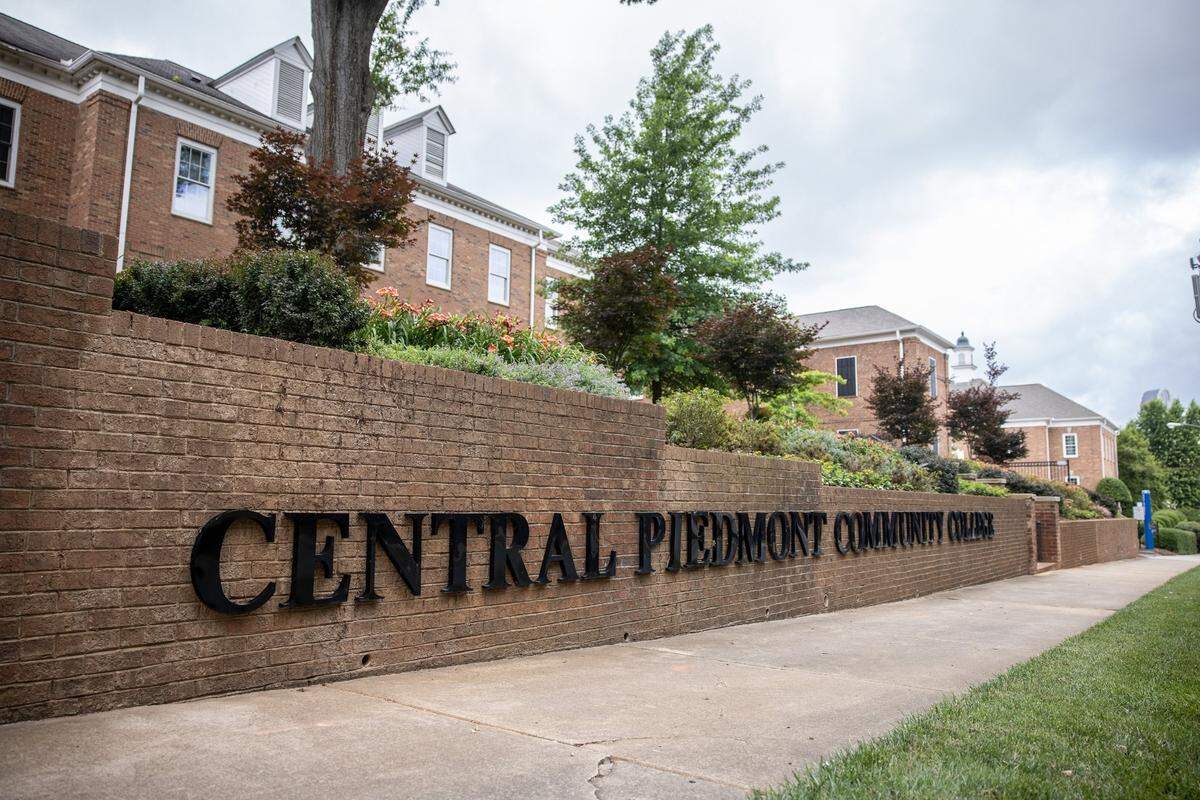
Locally, 36% of Central Piedmont Community College students received Pell Grants during the 2022-23 school year, totaling more than $25.6 million. At UNC Charlotte, 34% of students that year received Pell Grant funding, totaling $41.5 million.
A spokesperson for Central Piedmont Community College said the school is “closely monitoring” the legislation, as 65% of students at the school are part-time.
“This equates to about 13,000 individual students for the spring 2025 semester,” the spokesperson told The Observer. “Our students’ success, whether they choose to study full-time or part-time, is our focus and we will continue to support them in their individual learning journeys.”
Johnson C. Smith University is one of the NC schools with the highest percentage of students that receive Pell Grants, with 68% of its student body getting Pell Grant funding during the 2022-23 school year. That funding, for 713 JCSU students, totaled $3.9 million. The school declined to comment for this story.
This story was originally published July 1, 2025 at 9:03 AM.