Tuition in the UNC System could go up next year, but not everyone will pay more
AI-generated summary reviewed by our newsroom.
- UNC campuses can raise in-state tuition up to 3% for new students in 2026-27.
- Existing in-state undergraduates remain under fixed tuition from 2016 state law.
- Tuition hikes aim to offset inflation and revenue declines amid tighter budgets.
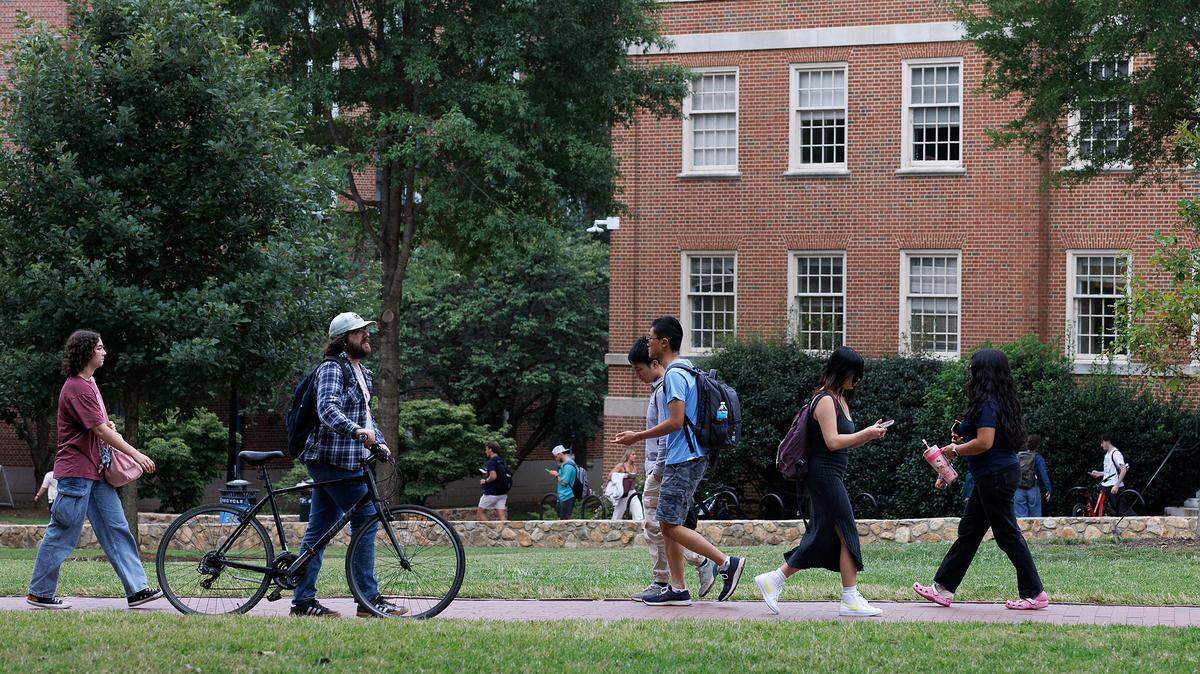
After nine years of flat rates, in-state tuition in the UNC System could be going up next year. But campuses won’t be required to charge more, and current students will not be impacted by the increases.
UNC System Chief Financial Officer Jennifer Haygood on Wednesday led a discussion about tuition and fees for the 2026-27 academic year with a committee of the Board of Governors, which sets policy for all 16 of North Carolina’s public universities.
As laid out in Haygood’s presentation, campuses will be allowed to propose increases to their tuition rates for in-state undergraduate students who enroll at a public university for the first time next fall. The proposed increases, which will require approval from the Board of Governors in February, could be up to 3% of the current rates that campuses charge.
Out-of-state undergraduates and all graduate students will also be subject to tuition increases if the universities can prove the new rates will not “negatively impact enrollment.” And campuses will be allowed to implement minimal increases to the required fees students pay, so long as the increase “is critical to maintaining core activities supported by the fee.”
But campuses will not be required to raise tuition rates if they do not wish to do so.
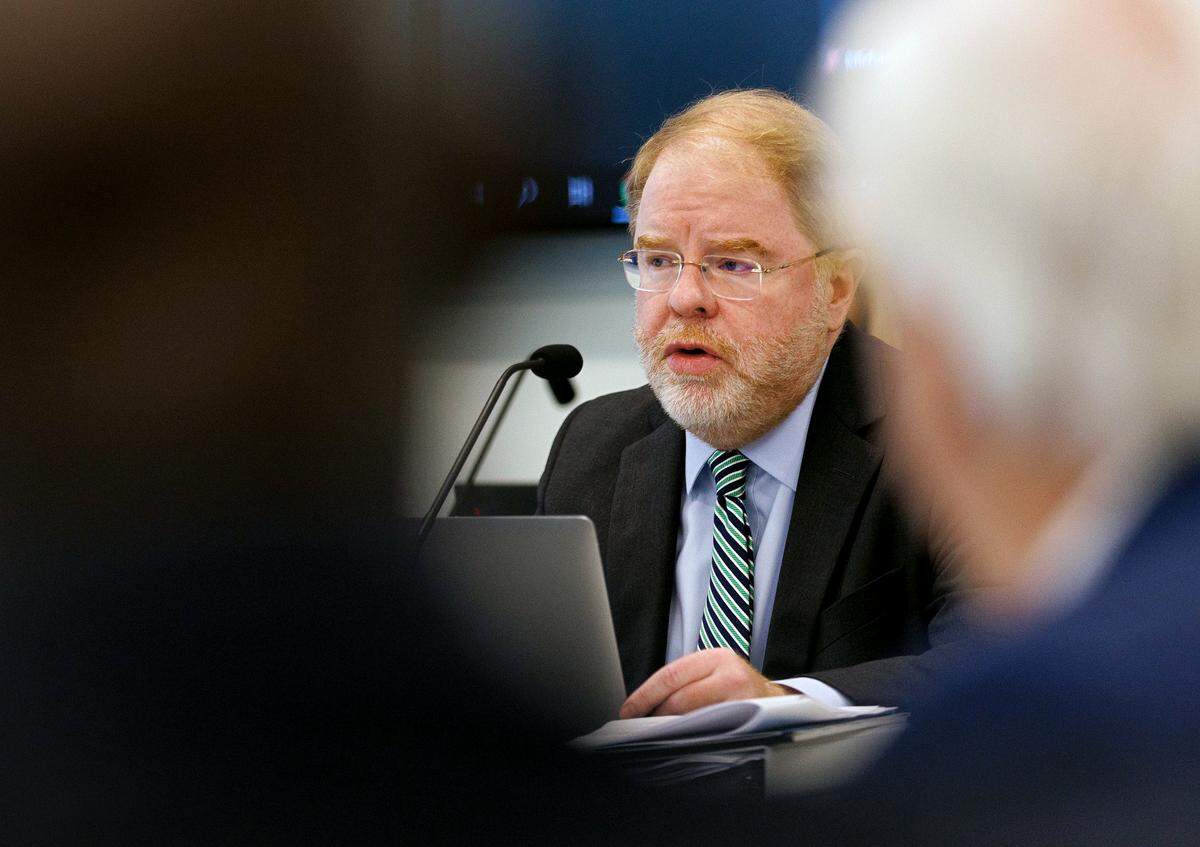
“It’s a maximum of 3%. It can be zero,” budget committee chair Kirk Bradley said. “That’s their choice.”
The increased rates, if campuses choose to raise them, will only apply to new students. That’s because of a state law, approved in 2016, that maintains a fixed tuition program, which ensures in-state students entering four-year undergraduate degree programs in the system will pay the same tuition rate for all eight semesters they are enrolled.
In-state, undergraduate tuition in the UNC System currently ranges from as little as $1,000 per year at the four campuses — Elizabeth City State University, Fayetteville State University, UNC Pembroke and Western Carolina University — that are part of the NC Promise initiative to about $7,000 per year at UNC-Chapel Hill.
Those rates have been flat since the fall 2017 semester, something university leaders often tout as a major accomplishment. UNC System President Peter Hans has previously said he would like to see rates stay steady for a full decade.
Economic pressures influence possible increases
But economic headwinds, including inflation and projections for lower state revenue in the coming years, have put financial pressure on universities.
“We have reset our standards of affordability over the last decade. State support, that’s been very generous, has helped make that possible,” Haygood said. “But we know that fiscal pressures are increasing and that we now need to look at, what is our approach that helps balance those goals of excellence in our mission, affordability for our students and sustainability for our institutions?”
State leaders have warned that North Carolina is currently facing a tighter budget cycle than in recent years, with Democratic Gov. Josh Stein saying that the state is “approaching a fiscal cliff.” An early forecast of state revenue, released in February, predicted a 2.4% decrease for the 2026-27 year, following prior years that saw increases.
Amid those pressures, budget proposals from both the state House and Senate, which were released this spring but not approved amid stalled negotiations at the legislature, included various levels of tuition increases for the university system.
For instance, both chambers proposed increasing tuition rates for out-of-state students in the NC Promise program. The House proposed increasing the out-of-state rate to $3,500, up $1,000 from the current rate, while the Senate proposed raising the rate by just $500.
The House also wanted the university system to increase across-the-board undergraduate and graduate tuition rates to generate at least $30 million a year in additional revenue. Legislative staff said at the time that such an increase could result in a tuition increase of 2% to 3% depending on how it was implemented.
After the House’s proposal was released, Hans maintained he was “hopeful” about rates remaining flat and said system leaders would “be in a vigorous exchange with the legislature about their thoughts on the issue.”
Now, with no compromise on a state budget in sight, the system could allow rates to go up without a legislative mandate to do so.
It’s the worst time’ to raise rates, one member says
Not everyone on the board agreed with the idea of raising tuition.
Art Pope, a former Republican state lawmaker and state budget director, referenced an article from the Wall Street Journal that posited the United States economy currently has two tiers — with older, higher-earning Americans faring well, while their younger, lower-income counterparts are more acutely experiencing the impacts of inflation and other economic factors.
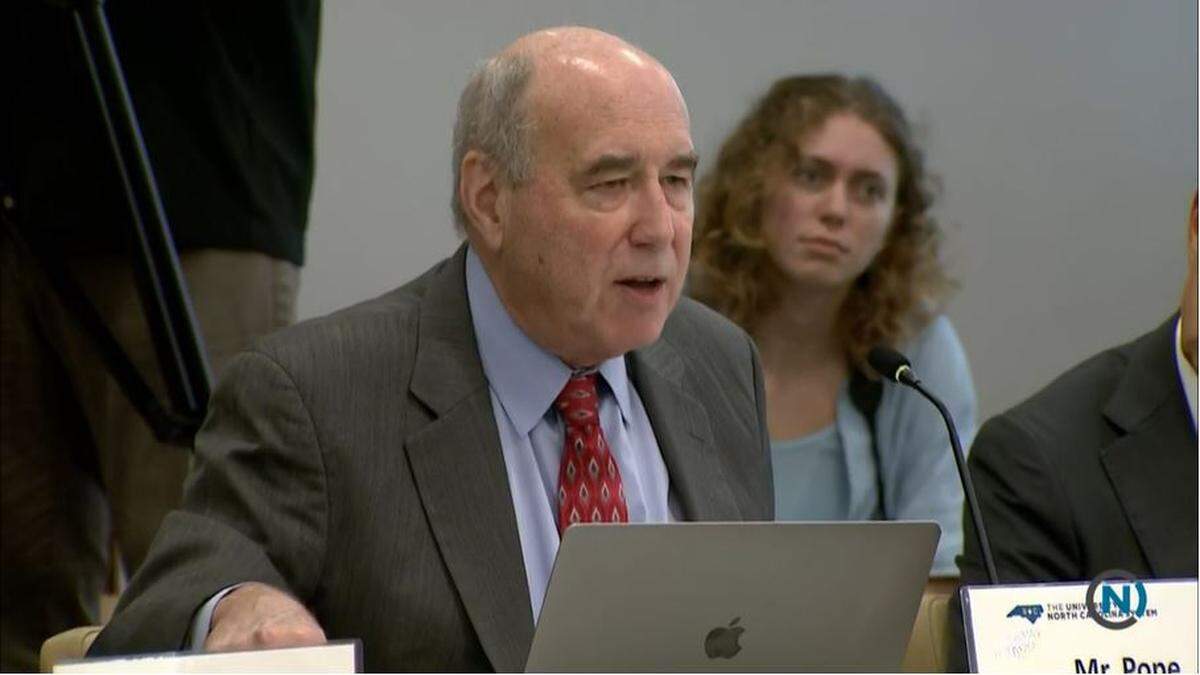
He also noted a slide in Haygood’s presentation that appeared to show inflation outpacing the median income for North Carolinians.
“The worst time to increase tuition of North Carolina families — we’re talking about in-state, undergraduate tuition — is when we’re on a flat income,” Pope said.
Haygood, in her remarks, presented data that showed, when adjusted for inflation, current students are paying less in “real-dollar” tuition and fee rates than those who were enrolled in 2015. She said that’s helped reduce student debt, too, with students graduating in 2024 saving an average of $5,600 in debt compared to their peers who graduated in 2020.
Pope urged campus leaders, who will be responsible for presenting their proposed rates to the Board of Governors, and the board itself to stay true to the North Carolina constitution, which mandates the UNC System’s services “as far as practicable, be extended to the people of the state free of expense.”
All campuses will present their proposed tuition and fee rates to the board in January, with a vote expected in February.
This story was originally published September 17, 2025 at 1:00 PM with the headline "Tuition in the UNC System could go up next year, but not everyone will pay more."