CMS student drug possession reaches 18-year high. Does it reflect broader trend?
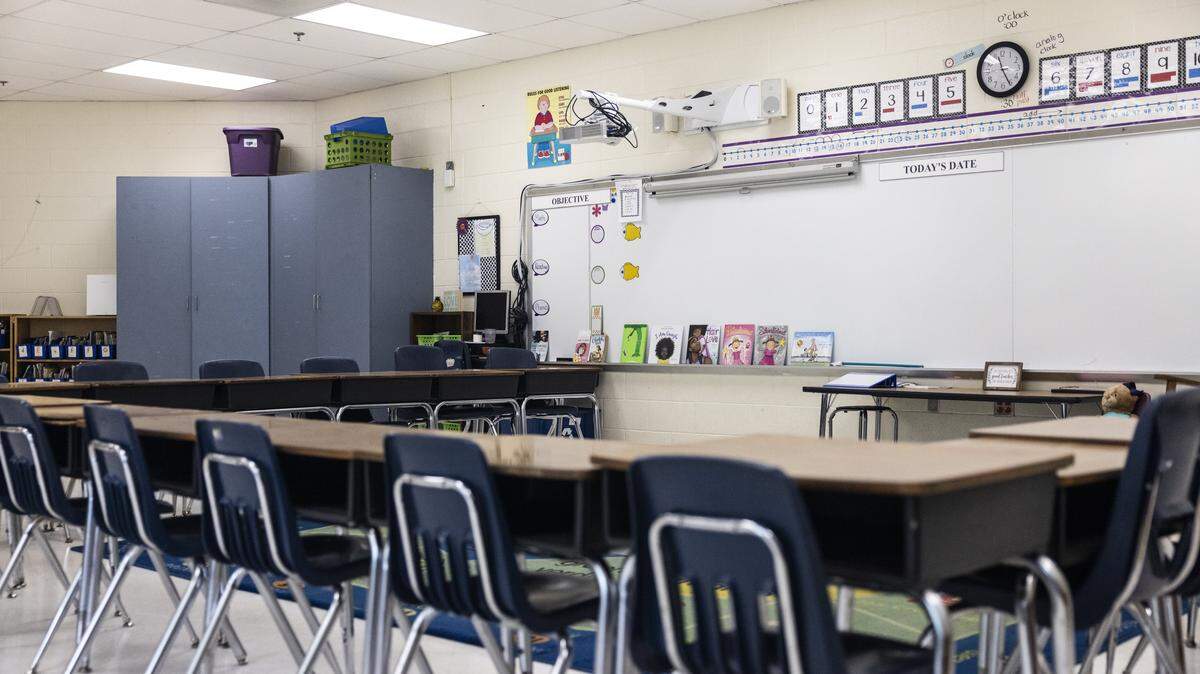
Charlotte-Mecklenburg Schools saw a lower crime rate last school year than the year prior, but the number of drug possessions increased for the third year in a row.
The drug possession numbers are now at an 18-year high.
Charlotte-Mecklenburg Schools saw an overall crime rate during the 2024-25 school year of about 8.8 acts per every 1,000 students, according to data released this month by the North Carolina Department of Public Instruction. That’s lower than the district’s crime rate the previous year, which reached about 10.1.
The state as a whole also saw its crime rate decrease from about 8.1 acts per 1,000 students during the 2023-24 school year to 7.4 during the 2024-25 school year.
But even so, both the state and CMS saw drug possessions increase. Experts say it’s not reflective of increased drug use among adolescents outside of school.
CMS had 939 reported drug possessions during the 2024-25 school year, for an overall rate of 6.5 possessions per 1,000 students. Drug possessions accounted for 74% of all recorded crime in CMS last year. NCDPI does not provide info about what substances were reported.
The year prior, CMS saw 858 drug possessions, for a rate of 6.1 drug possessions per 1,000 students.
NCDPI drug possession data only goes back to the 2008-2009 school year. Last school year, CMS saw not only its highest number of drug possessions on record, but also its highest rate of drug possessions. That was until this year.
Charlotte-Mecklenburg Schools didn’t respond to a request for comment on the latest crime rate data, but it told The Charlotte Observer last year that despite using a combination of disciplinary actions and interventions “CMS continues to grapple with the broader challenge of how easily students can access vapes and other substances in the community—many of which inevitably find their way into schools.”
The state’s schools have also made their behavioral threat assessment teams more robust in recent years. They help detect and prevent safety concerns like bullying, self-harm and drug possession, and there are multiple reporting avenues including the Say Something anonymous reporting app, which CMS began using in 2022.
Higher numbers of drug possessions may be in part a reflection of more accurate reporting and detection, according to Karen Fairley, executive director of NC Center for Safer Schools, told The Observer last year. It’s not clear whether the further drug increase this year reflects a continuation of the better detection methods.
“Whenever a new reporting mechanism is introduced, it’s common to see an increase in reported numbers,” Fairley said. “This doesn’t necessarily indicate more incidents — just more accurate and thorough reporting.”
Are adolescents using drugs more than in the past?
Despite increased documented drug possessions in CMS, the rate of drug use among adolescents has remained relatively stable over the past few years, according to data from the National Institute on Drug Abuse.
The difference is that the perception of drug use, particularly marijuana use, is shifting among adolescents, and products are becoming more readily available.
“The good news is there hasn’t been this massive increase in the number of adolescents using,” Kelly Little, clinical supervisor at the Dilworth Center, told The Observer. The Dilworth Center is a Charlotte-based, nonprofit addiction treatment organization.
“There’s been a big perception shift, especially around marijuana,” Little said. “The way weed products are advertised today is as fun and exciting, and we’re seeing that lead to less hiding of substance use.”
Little said another big factor is how kids use drugs. Vapes, for example, are small, portable and have a less distinctive odor than a lot of other means of consuming THC, the active ingredient in marijuana. So, she said, it’s easy for adolescents to use them at school.
“In the past, smoking at school was really difficult to get away with,” Little said. “Now, you can have these vapes in your backpack, and they effectively look the same as a nicotine vape. So, bringing them to school is a lot more accessible.”
Little said it’s best for families to have open, honest conversations with their kids about the dangers of substance use, beginning in middle school.
“Scare tactics don’t work. We know that,” Little said. “It’s important to establish open communication and clear boundaries...And, if you wait until they’re 17, then you’re too late.”
This story was originally published February 16, 2026 at 5:00 AM.