Some CMS parents want a kindergarten change. Cabarrus County did it 3 years ago
Three years ago, Cabarrus County Schools began emphasizing play in kindergarten. Now, Charlotte-Mecklenburg Schools parents want the same in their district.
During the 2022-23 school year, Cabarrus County Schools rolled out play-based learning curriculum in four pilot kindergarten classrooms throughout the district. The district phased it into other schools over the next two years, eventually having 45 to 60 minutes of dedicated play-based learning time in each kindergarten class in the district this year.
They say it involves areas for kids to choose what they want to engage with: blocks, art, performance, reading, writing, for example, and allows them to have time each day to explore topics in the ways they want to.
“They’re deepening their understanding of content through exploration and through play,” CCS Chief Academic Officer Sarah Reeves told The Charlotte Observer. “So, the classroom is specifically set up and furnished with very specific materials that will maximize their learning and as well as their opportunities to engage in that exploration and play.”
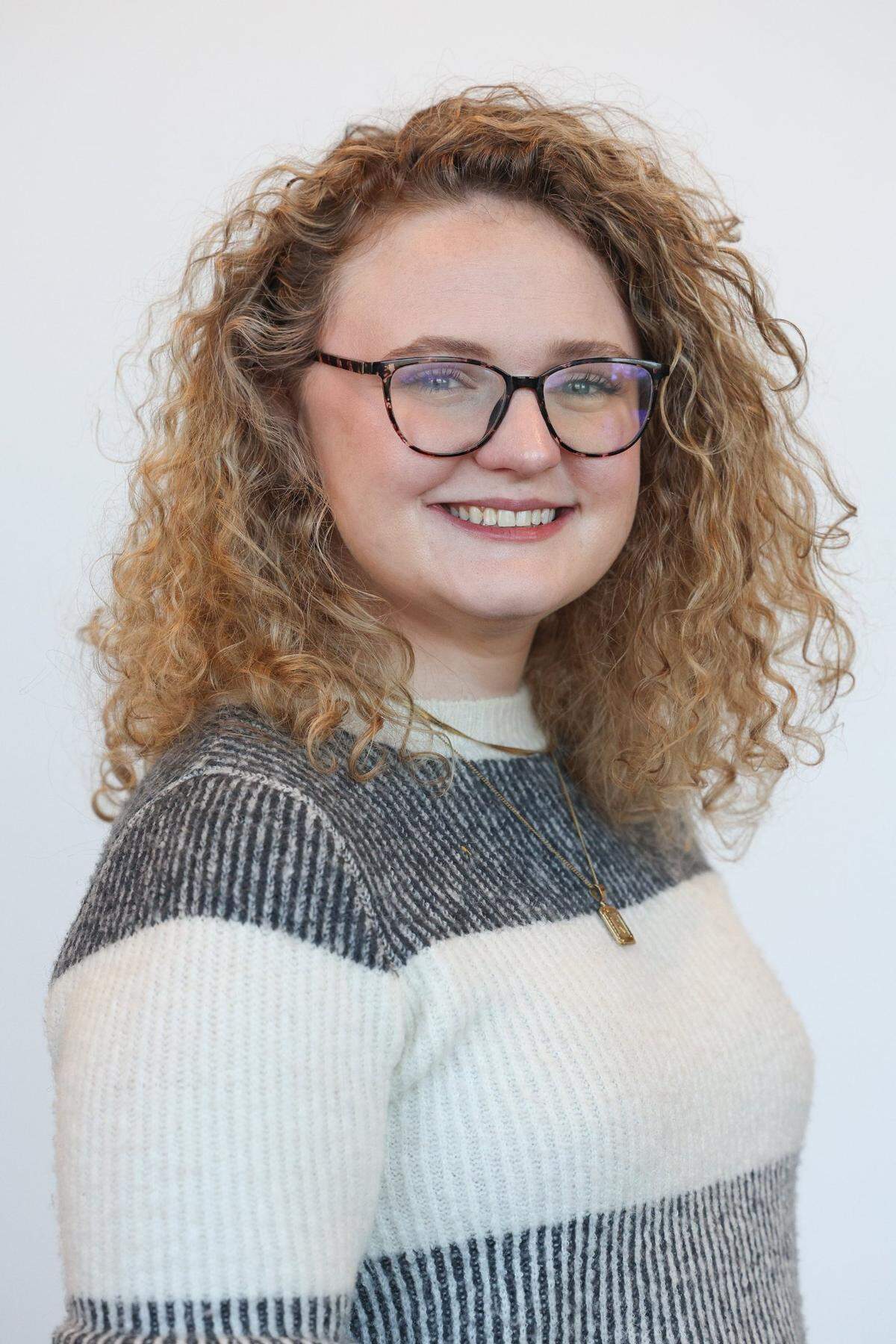
In early March, CMS parent and former kindergarten teacher Mollie Auerbach started a petition to bring one hour of play-based learning a day to kindergarten classes in Charlotte. It had 1,197 signatures as of March 20. She and other parents are calling their movement “K Needs Play.”
“We need this. The kids need this,” Auerbach told the Observer. “There are more and more kids on screens — where they go home, and they’re on an iPad, or they’re watching TV, and they’re not outside playing with their neighbors. They’re not necessarily playing in their backyard. Some of them may not have many toys at home. It might not be safe to go to the park… It’s now even more important than ever.”
How kindergarten lost play
For the last two decades, kindergartens around the U.S. have shifted away from play toward a stronger focus on structured academics, research shows.
Practically, that looked like less differentiation between elementary school instruction based on grade, Reeves said. Kindergarten was beginning to look more like first grade in terms of its structure and focus than it did when most adults were in school.
At the same time, Reeves said, CCS began seeing an uptick in behavioral problems in kindergarten.
“So, we began to question what should look different in a kindergarten classroom from a first, second, third or fourth grade classroom,” she said.
Play doesn’t supplant academics, Reeves said. It supplements them. Research shows play during the school day improves learning as well as social outcomes.
Auerbach, who taught kindergarten in Virginia from 2009 to 2011 and taught other elementary school grades through 2021, said she’s witnessed the changes since she was in the classroom.
“In my class, every day, we had an hour of choice time: We had a pretend kitchen that could also be transformed into whatever the students wanted — a pretend car wash or a pretend rocket ship. We had blocks. We had a puppet show area where kids could reenact stories we’d read that day. We had a writing station where kids could go create their own books,” she said. “So, it’s really giving kids this time of day when they get to choose what they’re doing.”
Make no mistake: Auerbach said she loves her children’s school and has no intention of leaving CMS. She does, however, believe a lot of CMS parents and educators would be in favor of building more play time into kindergarten classrooms in the district. She’s heard from interested parents all over the district, she said.
Laurie Fazio and Heidi Liddle, early childhood math and literacy specialists in Cabarrus County, were each instrumental in bringing play-based curriculum to Cabarrus County. They said they visited Asheville City Schools about five years ago to see how that district incorporated play into its curriculum, which helped inform how they moved forward.
“We were able to see how another district had created their program and how it looked in an exemplar classroom which gave Heidi and I a lot of food for thought to come back and really think through intentionally how we wanted to proceed,” Fazio said.
From there, they rolled it out little by little, and now, play-based learning has been written into CCS’ 2025 and 2027 strategic plans.
“It was so wonderful to see, over time, how we were able to really shift back to thinking about the whole child, which really led to this big change, Liddle said.
What would it look like?
Implementing play-based learning well, Reeves said, takes intention and planning. It also takes investment.
It meant outfitting classrooms with the necessary furniture and teachers with the necessary professional development to implement it well, and the money for it ended up coming from Cabarrus County, Reeves said. However, there is not an exact line item in each of the last three years’ budgets specifically related to play.
Auerbach proposes CMS could start by implementing play-based learning in a few pilot classrooms in different parts of the district to see how it works before investing more. Parents would also help, she said, in fundraising.
“We could hopefully have around 10 classrooms, maybe more, who are trying this out across the district,” Auerbach said. “And, we’re going to be working to raise the money. We understand CMS is a little bit cash strapped, so we’re going to try to raise the money through local businesses and pay for the professional monthly professional development for these teachers to learn how to do really purposeful play time.”
Auerbach said she’s met with district leaders and plans to meet with more in the coming weeks to talk about possibilities for the program in Charlotte.
This story was originally published March 23, 2026 at 5:00 AM.