
New data are a bad sign for NC pre-k. Why Mecklenburg is headed different way
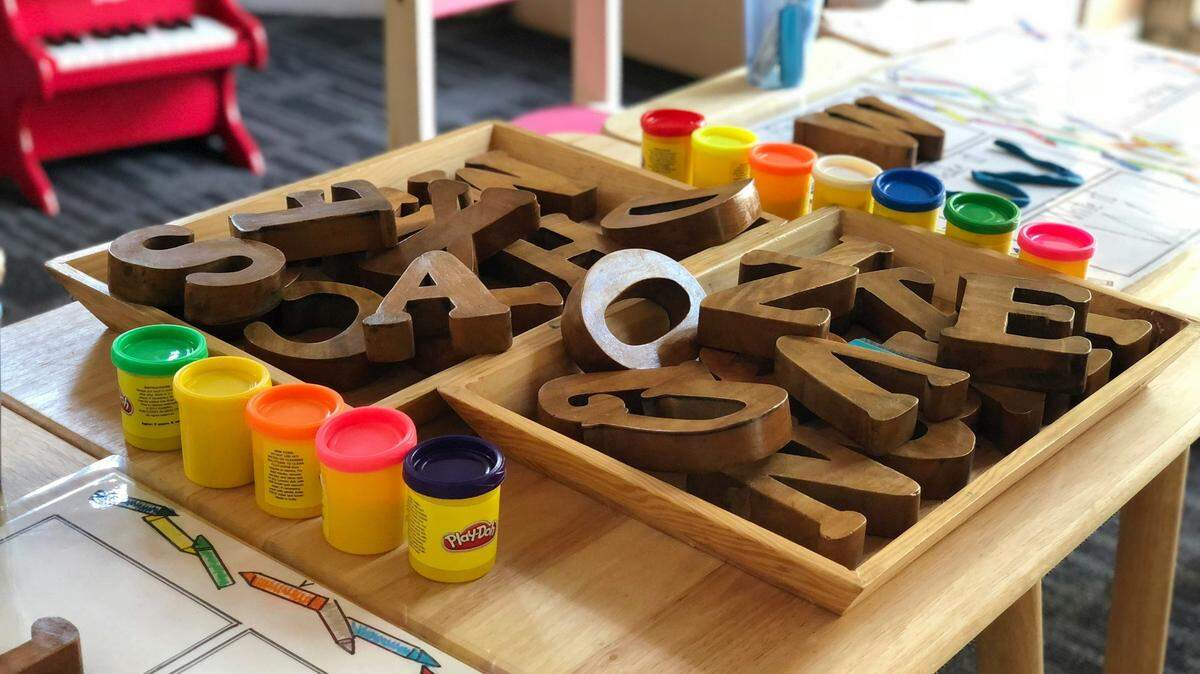
MECK Pre-K has seen a massive jump in registrations this year, but statewide access to early childhood education is steadily shrinking.
Mecklenburg County’s public preschool program, MECK Pre-K, opened applications in January. It had 2,692 applicants by Monday afternoon, Chief Early Education Officer at Smart Start of Mecklenburg County Mary-Margaret Kantor told The Charlotte Observer. That’s more than enough to fill its around 2,000 spots.
“This year, it’s really increased,” Kantor said. “We’re back to a pre-pandemic state of mind and don’t have to hunker down … I also think people are hearing about us through word-of-mouth.”
MECK Pre-K was founded eight years ago as a concerted effort by Mecklenburg County commissioners to provide free, high-quality early education. It started with 33 classrooms in 2018, and it will have 115 this year.
Combined with Charlotte-Mecklenburg Schools’ pre-K and the state-funded NC Pre-K program, there are around 6,000 spots in the county, Kantor said. That’s enough, she believes, to meet the needs of Mecklenburg County.
But many counties in the state don’t provide local funding for pre-K, which means families are left without free access.
In fact, statewide, access to pre-K is dropping. North Carolina dropped to 32nd in the nation for access to pre-K programs this year, according to a report released last week from The National Institute for Early Education Research. Last year, North Carolina ranked 28th.
Kantor said that could have a big impact on kids down the line, both in school and in the workforce.
32nd in the country
The number of children enrolled in NC pre-K dropped between the 2023-24 and 2024-25 school years. The overall funding and funding per child dropped as well.
NC Pre-K – the state-funded public program – enrolled 26,707 children during the 2024-25 school year, a decrease of 597 from the prior year. The state spent around $98.8 million on the program in 2024-25, in addition to $68.1 million in block grant funding from the federal government.
When adjusted for inflation, that’s a decrease in funding of around $30.9 million from the year prior – or 16%. Per-child spending also decreased by about 13.7%.
“North Carolina Pre-K has lost its place as a leader in preschool with the state dropping in pre-k access rankings as other states catapult ahead,” W. Steven Barnett, senior director of the National Institute for Early Education Research said in a news release.
Barnett pointed to Georgia, which has a universal pre-K program and, this year, became the largest program in the country to meet at 10 of NIEER’s benchmarks for quality.
Kantor said the data is disheartening.
“I want people to see that sad drop and say ‘Is that really how we want to be seen nationally?’” she said.
Kantor said funding is critical, but so is employing it wisely.
“It’s not just throwing money at the problem,” Kantor said. “It’s intentionally allocating that funding and sustaining quality. To do that, you have to sustain the workforce.”
How much does pre-K matter?
Pre-K isn’t just a childcare issue, Kantor said. It affects everything from a child’s ability to excel in later grades to their ability to succeed in adulthood.
“All of your opportunities are shaped by your earliest experiences,” she told The Observer. “Our whole state depends on this.”
A child’s brain grows to 90% of its adult size by age five, with nearly 1 million new neural connections formed every second during those first five years, according to the National Institutes of Health.
Pre-K is crucial for later success, Kantor said, because that development is hard to replace later on.
“If we don’t do these things early, the parts of the brain that need to fire in order to develop those higher reading skills won’t fire,” Kantor said. “Without those opportunities, your brain doesn’t get wired the same as other kids.”
Mecklenburg County, Kantor said, is doing a good job prioritizing pre-K. But, she said, large disparities persist across the state when it comes to preschool access.
“Our county commissioners understand it and have invested millions and millions,” she said. “I feel very, very fortunate for how much our county spends on its youngest citizens.”