Winthrop University protest thrusts racism claims, leadership fight into public view
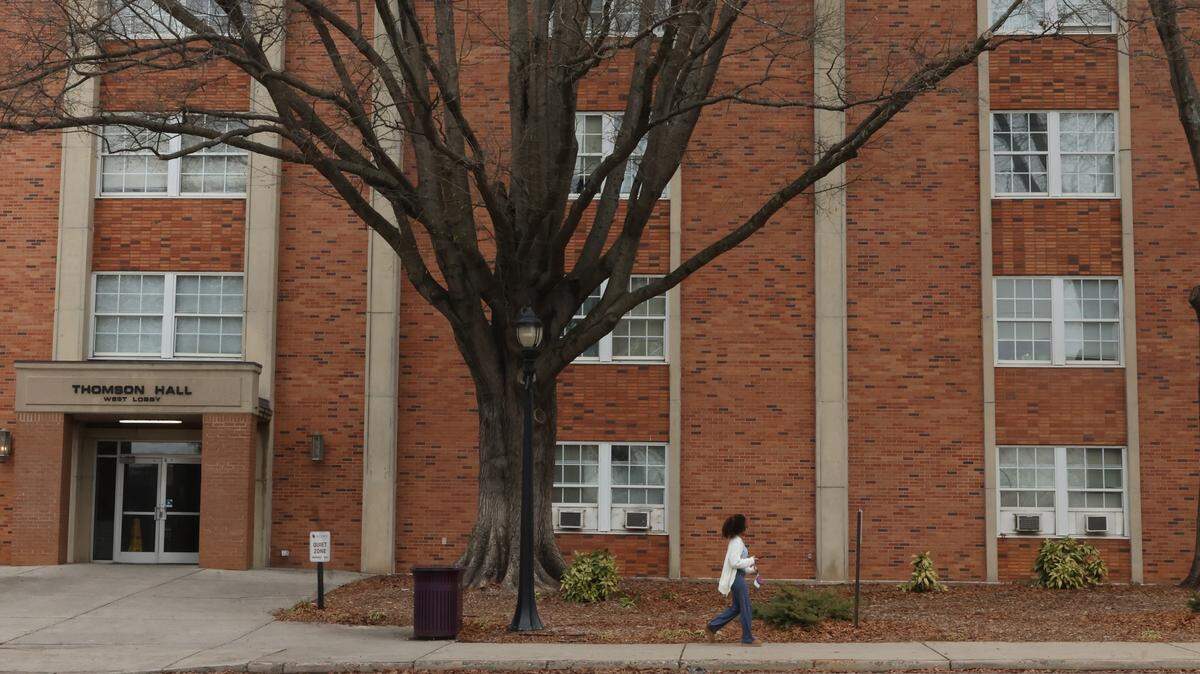
Students marched across Winthrop University in Rock Hill this week over concerns about racism and campus leadership, thrusting a yearlong controversy into a broader reckoning over race, transparency and trust.
What began as internal complaints from a former employee over alleged racial slurs and retaliation spilled into public protest, with students citing concerns about campus discrimination while university leaders and former top attorney Christopher “Todd” Hagins publicly clash over whether Winthrop appropriately handled discrimination complaints. The protest escalated a controversy that has simmered for more than a year through EEOC complaints, lawsuits and, now, combative public statements.
At the center is Hagins, Winthrop’s former general counsel and board secretary, who was fired in September 2024 after about a year and a half at the university. Hagins alleges he lost his job after objecting to what he described as discriminatory and retaliatory actions by university leadership. Those concerns included what he characterized as efforts to sideline employee Amy Bailey after she reported that Tammie Phillips — a top administrator in the president’s office — repeatedly used a racial slur in conversation. Bailey, a longtime employee, filed her own EEOC complaint alleging racial insensitivity and retaliation, The Herald previously reported.
Hagins later expanded his challenge beyond employment retaliation, filing a lawsuit in York County in September accusing Winthrop’s board of trustees of repeatedly violating South Carolina’s open meetings law, improperly using executive sessions, withholding public records and potentially operating outside bylaw term limits. He argues those governance failures are part of a culture of institutional misconduct.
As student demonstrations brought renewed public attention to the controversy, Winthrop leaders this week issued a forceful defense.
A university statement posted on Thursday called Hagins a “disgruntled former employee” engaged in a “retaliatory campaign” to damage the university’s reputation. Board Chair Joel Hamilton and President Edward Serna said allegations of racial discrimination are false, defended the university’s response to Bailey’s complaint, and said Winthrop conducted a “prompt, thorough, and professional investigation” that resulted in remedial action. They said no similar complaints have been received about Phillips since.
University leaders further argued Hagins’ own EEOC complaint was dismissed and pointed to growing Black student enrollment, increased minority representation in university leadership and longstanding diversity benchmarks as evidence against claims of systemic racism. Black student enrollment, according to the university, rose from 30.5% in fall 2023 to 33.3% in fall 2025.
“Winthrop has long been and continues to be one of the most diverse public campuses in the state,” the statement said.
But for some students, institutional claims of diversity have not quelled their concerns. Protesters said they were troubled by reports a university leader had been accused of using racist language and questioned whether campus leadership’s actions match Winthrop’s public messaging on diversity, WCNC reported.
Hagins, meanwhile, escalated his rhetoric even further Thursday in a news release following the university’s own statement. Hagins accused Winthrop of prioritizing power over students and alleging university leaders harmed Black students, faculty and staff. In the statement, Hagins offered to withdraw all of his lawsuits and agree not to file future claims if Winthrop’s current board resigns immediately, President Serna and other top administrators step down and a panel of alumni reviews the institution’s treatment of Black campus community members.
In follow-up comments to The Charlotte Observer, Hagins said his concerns extend beyond just Bailey’s complaint and what he described as retaliation against whistleblowers.
Hagins also disputed Winthrop’s characterization of his EEOC complaint, arguing the university is oversimplifying the process by emphasizing its dismissal without acknowledging that he also received a right-to-sue notice allowing him to pursue the matter independently in court.
While Hagins said he did not organize this week’s student protest, he acknowledged his recent whistleblower complaint and public statements may have helped fuel broader student awareness. He said he wants the protests to center on those currently on campus rather than on him personally.
“To have a clean slate, sometimes leaders have to do the ethical thing that is right for their University,” Hagins told the Observer. “And that is to realize that they’ve lost the trust and faith of who they’re there to serve, the students, faculty and staff, and resign to let somebody else protect and build the university.”
This story was originally published May 1, 2026 at 5:00 AM with the headline "Winthrop University protest thrusts racism claims, leadership fight into public view."