
Former UNC athletes spar with university in federal court
A federal judge Tuesday began hearing oral arguments that could shut the door on former UNC-Chapel Hill athletes’ claims that they were cheated out of an education – or allow their lawsuits to shine more light on a major academic scandal.
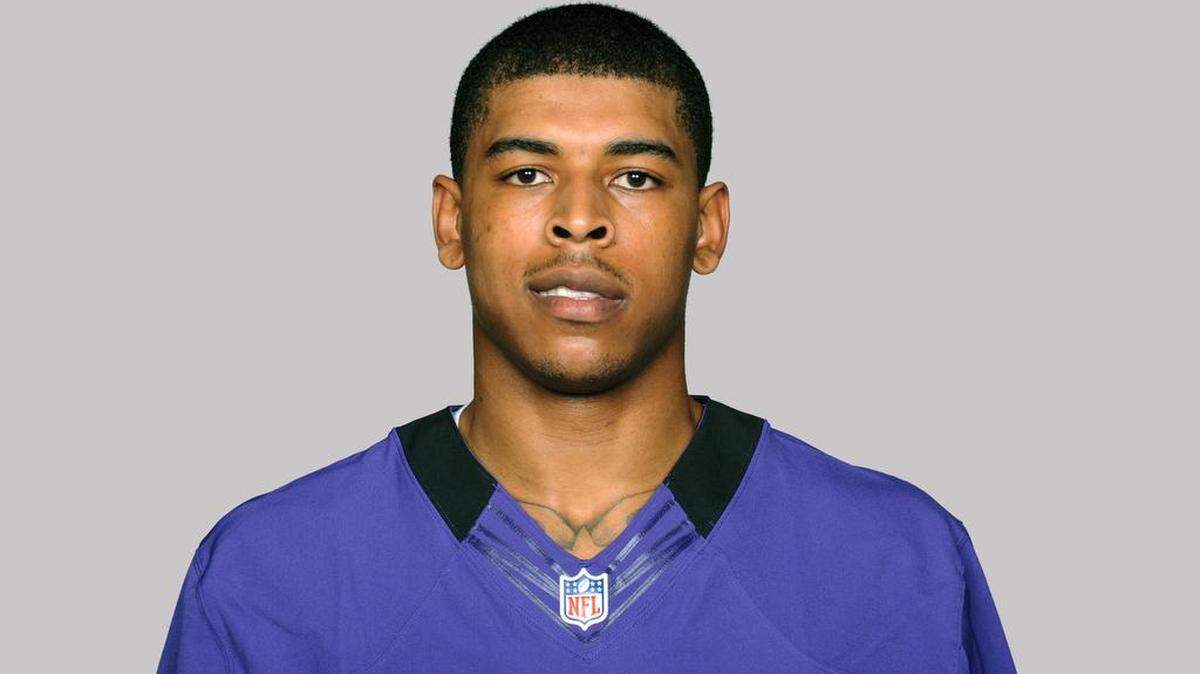
U.S. District Judge Loretta Biggs asked pointed questions of attorneys for the athletes and the university Tuesday morning as they made legal arguments in one of the lawsuits involving former football player Michael McAdoo and women’s basketball player Kenya McBee.
Biggs questioned UNC’s claim that the case should be dismissed because the university has sovereign immunity as an entity of the state, and challenged the athletes’ attorneys to show that their clients were harmed by the scandal.
Biggs said the case was too complex to issue an immediate decision.
Biggs planned to hear arguments in the afternoon in a second case involving two more former athletes: football player Devon Ramsay and women’s basketball player Rashanda McCants. Both were in court.
Ramsay and McCants have also named the NCAA a defendant, alleging that it failed to do its job in policing UNC and other universities to make sure their athletes received legitimate college educations.
Two months ago, a state court judge dismissed a third lawsuit involving two more former athletes. UNC’s attorneys cited that dismissal in court on Tuesday.
All three lawsuits accused UNC of failing to properly educate athletes by steering them to fake classes that were offered by a former African studies department office manager who was not a professor. She provided high grades for classes that never met and typically only required a term paper.
“The university has admitted that the students did not get what they deserved,” said Geraldine Sumter, an attorney for McAdoo and McBee. “It failed the students and the only way for the students to address that is in a court forum.”
UNC and NCAA attorneys say the athletes’ claims have no standing in the courts, and even if they did, they were filed long after a three-year statute of limitations had expired.
“I think discovery would be a waste of time and resources in this case,” said Lisa Gilford, an attorney representing UNC.
The NCAA contends it has no legal obligation to oversee how classes are taught at its member schools. UNC and the NCAA also said the former athletes had reason to know something was amiss when they took the fake classes, but they didn’t raise objections at that time.
The fake class scheme ran for 18 years and involved more than 3,100 students – roughly half of them athletes – before it was shut down at the start of the fall 2011 semester. An investigation found the office manager began offering the fake classes after academic counselors for athletes complained about independent studies that required meetings and progress reports.
The scandal has damaged UNC’s reputation. Its accrediting agency has put it on probation and the NCAA has accused UNC of five major violations, including lack of institutional control. The NCAA case has yet to reach an infractions hearing.
Dan Kane: 919-829-4861, @dankanenando
This story was originally published April 19, 2016 at 1:33 PM with the headline "Former UNC athletes spar with university in federal court."