Get ready for less sleep in Charlotte. When to set your clocks for daylight saving time
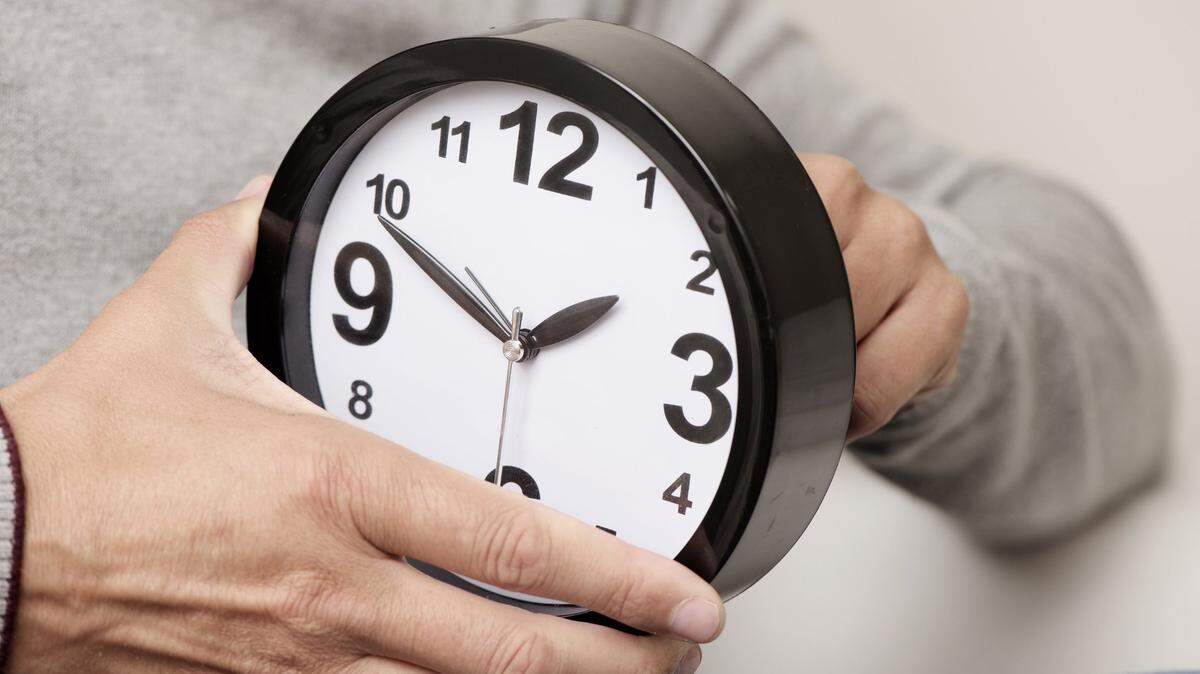
Spring is almost here, so you’ll soon lose an hour of sleep since daylight saving time is about to begin.
Most of the U.S. begins daylight saving time on the second Sunday in March and reverts back to standard time on the first Sunday in November.
This year, daylight saving time begins on March 12 at 2 a.m.
But that could soon change. Maybe.
Nearly 30 states, including North Carolina, have introduced legislation for year-round daylight saving time, according to the Bureau of Transportation Statistics. But federal statutes must be changed to allow for the switch.
The Sunshine Protection Act, introduced in the Senate in 2021, would ensure Americans no longer have to change their clocks twice a year. If it clears the House and is signed into law by President Joe Biden, year-round daylight saving time would apply to all states.
What is the purpose of daylight saving time?
As the name implies, daylight saving time is a way to save energy and daylight during the spring and summer months.
A study conducted by the U.S. Department of Energy found that the four-week extension of daylight saving time in 2008 saved about 0.5% of the nation’s electricity per day, or 1.3 trillion watt-hours – which is enough to power 100,000 households for an entire year.
Studies have also shown that the extra hour of daylight has resulted in safer roads, lower crime rates and economic benefits.
Critics, however, say more dark mornings could lead to grogginess for commuters and parents who drive their children to school, especially in the winter.
Other concerns about daylight saving time included disruptions to harvesting schedules for farmers, interference with religious observances based on solar and lunar time, and potential delays in reworking computer systems programmed to switch twice a year.
Is daylight saving always the same time of year?
According to the U.S. Department of Transportation, the Uniform Time Act of 1966 established national start and end dates for daylight saving time.
However, the act allows states to exempt themselves from observing daylight saving time under state law.
Arizona and Hawaii, along with the U.S. territories of American Samoa, Guam, the Northern Mariana Islands, Puerto Rico and the Virgin Islands observe permanent standard time, according to the National Conference of State Legislatures.