Is now the best time to mow and water your lawn? Here’s what Charlotte landscapers say
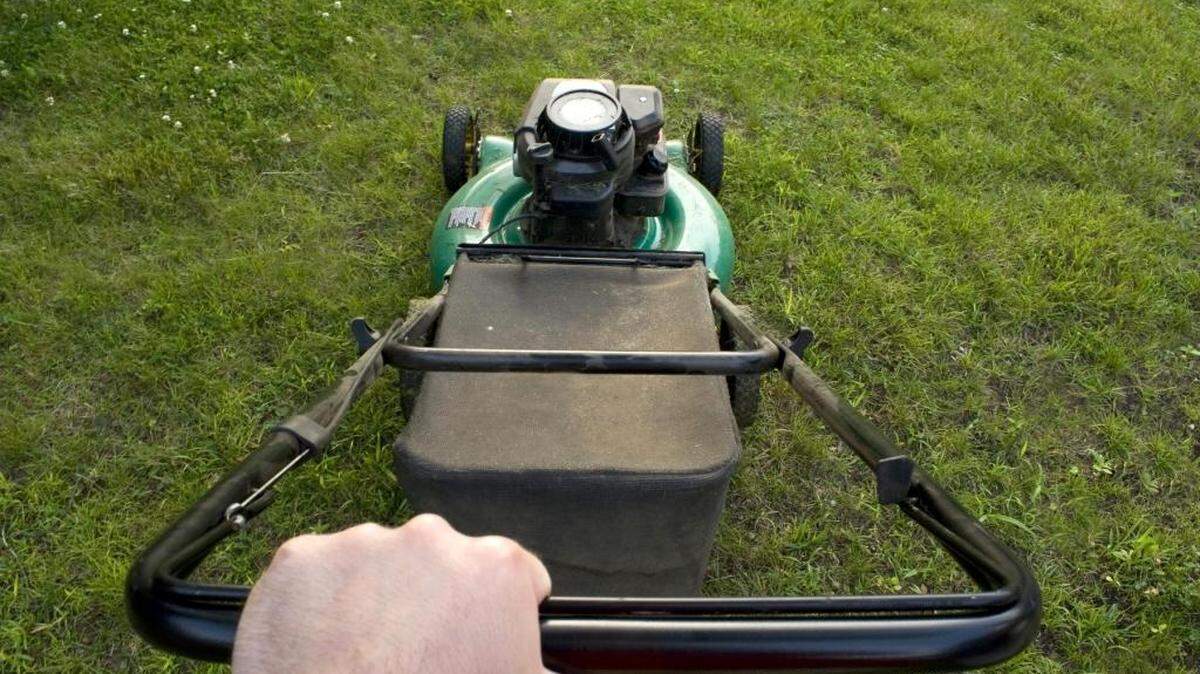
Spring is here, which means dull shades of brown grass on most lawns are being replaced by deep tinges of green.
It also means that it’s time to break out your lawn mower.
When your lawn reaches a certain height in the spring, it usually signals that it needs a trim — and watering your lawn during the warmer months can ensure that your grass retains moisture and stays healthy.
Here’s when you should mow and water your lawn this spring in Charlotte, and other maintenance tips.
When should you mow your lawn in the spring?
The best time to start mowing your lawn in the spring is when the grass is actively growing, according to North Carolina-based Canopy Lawn Care.
You should avoid cutting when below-freezing temperatures are still present, the company says, since frost can cause the moisture in grass blades to freeze.
You can typically mow your lawn for the first time in the spring when your grass reaches two to three inches in length, according to the company.
After the initial mow, Charlotte-area company Barker Brothers Landscape Maintenance recommends mowing your lawn at least once a week, and adjusting the height of your mower blades as needed to ensure healthy grass.
When to give your lawn a spring shower
You should water your lawn at the first signs of moisture distress, according to the N.C. Department of Environmental Quality.
The best way to tell if your lawn is under moisture stress is by looking for footprints, NCDEQ says. If you can see footprints on your lawn, you should water it.
NCDEQ recommends watering in the early morning, when the sun will cause the least evaporation, or in the evening.
To moisten the soil four to six inches deep, clay soils should receive one inch of water at a time, and sandy soils should get a half-inch, according to NCDEQ.
More spring lawn care tips
Here are some other spring lawn maintenance tips, according to Barker Brothers:
Rake debris, such as fallen leaves, twigs and branches, that accumulate on your lawn to allow sunlight to reach the soil
Aerate your lawn to help avoid soil compaction
Choose a fertilizer that is specifically formulated for your type of grass
Apply a weed control product to your lawn before weeds have a chance to sprout
Use grass seed to fill in any bare spots on your lawn and consider re-sodding if the damage is extensive