Coyote sightings are up in North Carolina. How to protect yourself and your pets.
It’s coyote season in North Carolina, and that means an increased risk of them showing up in your neighborhood, state wildlife officials say.
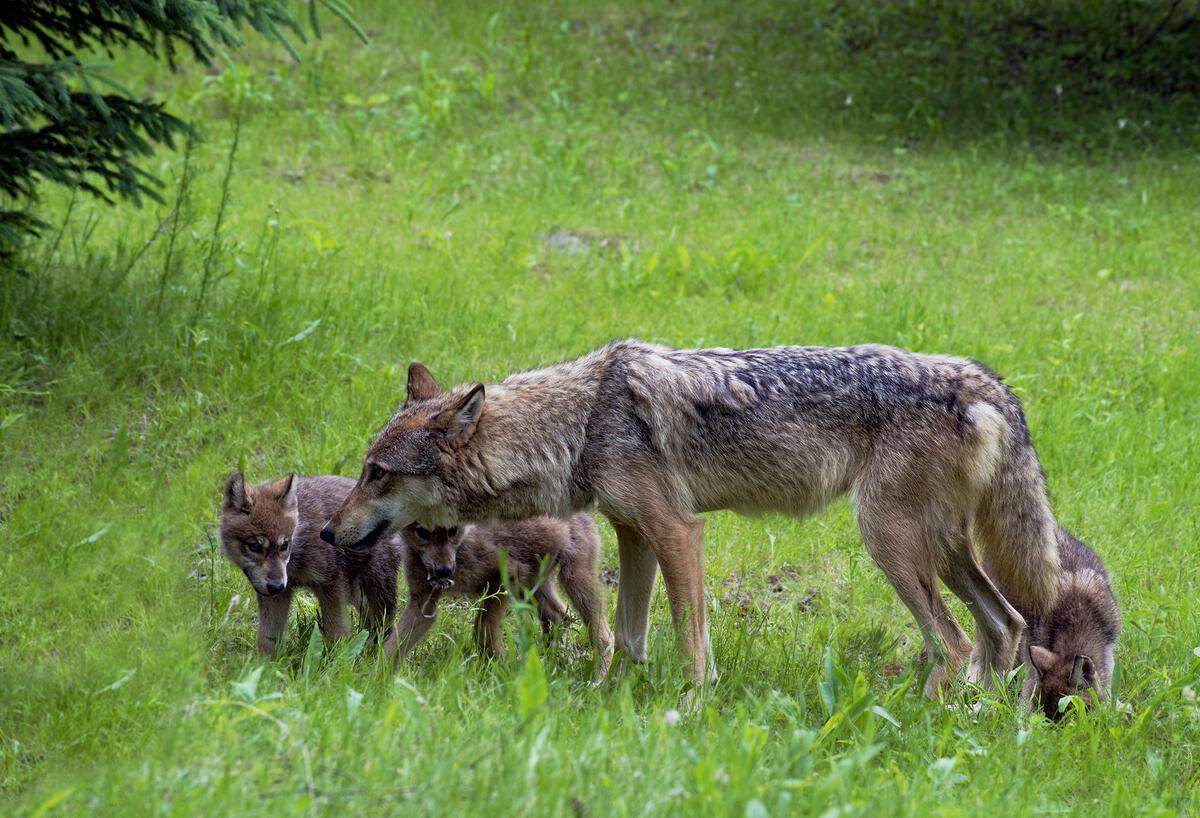
May is when people are more likely to spot a coyote, the North Carolina Wildlife Resources Commission said in a statement, because the normally reclusive animals are spending more time scouting for food for their newborn pups.
“Coyotes are common throughout North Carolina, including in cities and suburbs,” and while they’re not very prone to attacking people or pets, incidents can happen. But there are steps you can take to stay safe.
Here’s what to know about coyote behavior and how to keep yourself and your pets safe:
Are coyotes a danger to humans?
Instances of coyotes attacking humans “are very rare,” the wildlife commission advises. However, “pup season brings an added factor to interacting with coyotes” because a coyote with vulnerable pups nearby is more likely to stand its ground.
“This time of year, if you pass through a brushy or wooded area and notice a coyote watching you or following you at a distance, it could have a den nearby,” biologist Falyn Owens said in the group’s statement. “Calmly leave the area and notify others if you are near a public trail.”
How to protect pets from coyotes
Coyotes naturally prey on rodents and can sometimes mistake small pets, including cats and small-breed dogs, as food, the wildlife commission cautions.
The group recommends keeping a close eye on pets when outside to reduce the risk of an incident. Other steps you can take to protect your pet include:
Keeping pets behind a dog-proof fence that is at least 6 feet tall and prevents digging underneath
Keeping pets on leashes or harnesses when outside fenced-in areas
Picking up your pet if you see a coyote or suspect one is nearby when outside with your pet
Feeding your pets inside and keeping food waste in secure containers
Keeping bird seed off the ground, because it “can attract rodents and wildlife that prey on them”
How to haze a coyote
When coyotes “have adapted to urban and suburban environments,” the Humane Society of the United States explains, they are more likely to hang out around populated areas, posing risks to them and people and pets.
The group recommends “hazing” — “a method that makes use of deterrents to move an animal out of an area or discourage an undesirable behavior or activity” — as a technique for humanely getting rid of coyotes who’ve become accustomed to people.
Hazing methods include:
“Yelling and waving your arms while approaching the coyote”
Using noisemakers, such as whistles, air horns, bells, “shaker” cans full of marbles or pennies, pots, lid or pie pans banged together
Spraying the coyote with water from a garden hose or a vinegar water mixture
Throwing sticks or other items such as tennis balls towards the coyote, but not directly at it.