Yes, there are rattlesnakes in Charlotte. Here’s where they hide + how to identify them
Copperheads are found all over North Carolina, but if you live in the Charlotte area, it’s possible you could encounter another type of venomous snake — the rattlesnake.
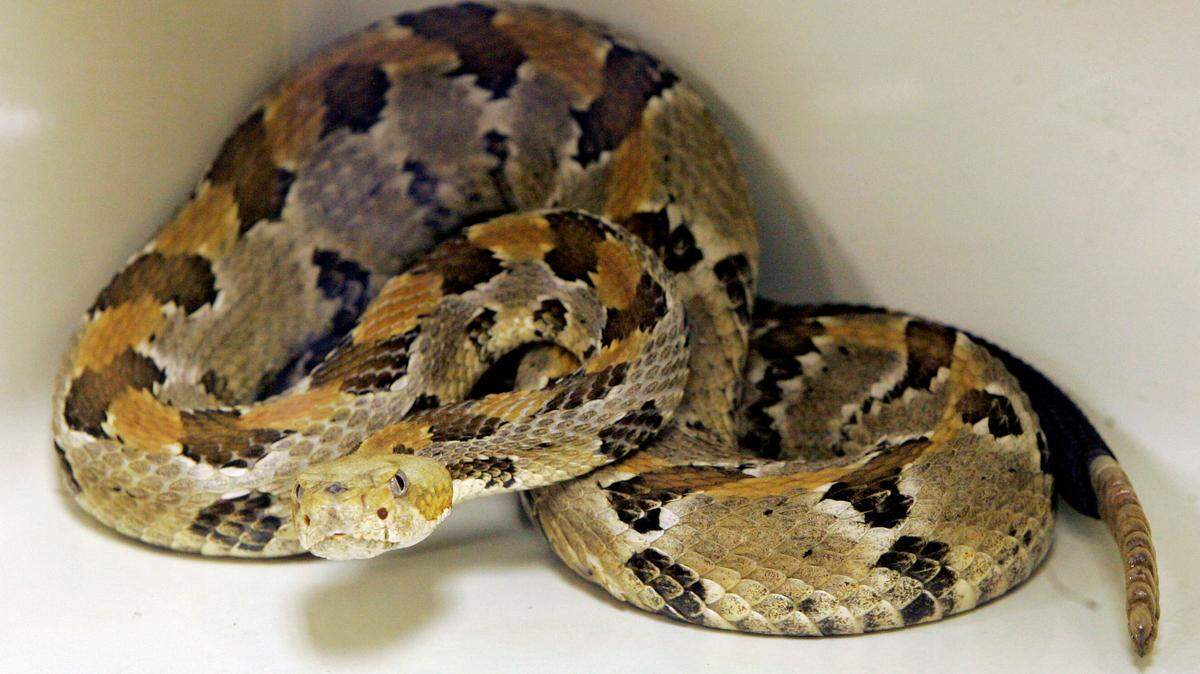
The Timber rattlesnake, also known as the “canebrake,” is the most common type of rattlesnake found in the Charlotte area, N.C. Wildlife Conservation Biologist Bret Ladrie told The Charlotte Observer.
“They aren’t seen very much in the Piedmont region, but they are in Charlotte and the surrounding counties,” Ladrie said.
Rattlesnakes prefer wooded areas, but they can show up along trails, in roads and in your yard as the weather warms, according to N.C. Wildife.
Here’s how to identify rattlesnakes in Charlotte, and where they could be hiding near your home.
What does the timber rattlesnake look like?
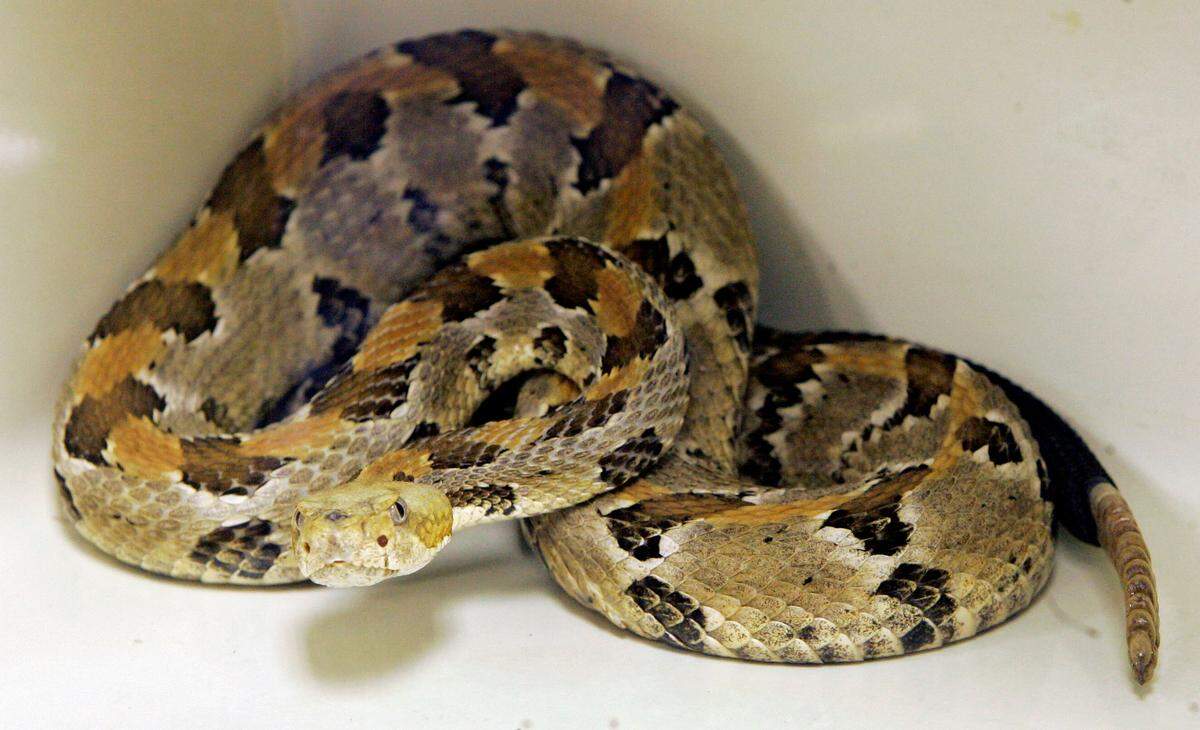
Here are some identifying characteristics of the Timber rattlesnake, according to N.C. Wildlife:
Up to 5.5 feet long, with large, heavy bodies
Dark crossbands on a lighter background
Tail usually black
Light brown, gray, tan or pinkish background
Rattle on end of tail
Where are rattlesnakes likely to hide near your home?
Rattlesnakes aren’t likely to show up on your doorstep, but they could be lurking nearby if they find a place to conceal themselves.
“The biggest thing is the elimination of hiding spots,” said Ladrie. “That’s what draws snakes in.”
Wood, leaf, rock and rock piles, are just a few of the places rattlesnakes could hide, Ladrie said, adding that they could also hide in tall grass if you don’t keep your yard mowed.
They can also hide under decks and porches, as well as basements and crawlspaces, and are far more likely to be present in or near homes with rodent infestations, according to Critter Control, a wildlife control company.
What about copperheads?
Though you could come across a rattlesnake in the Charlotte area, you’re much more likely to spot a copperhead, the state’s most common venomous snake.
Unlike rattlesnakes, copperhead venom is relatively mild and deaths from their bites are extremely rare, according to the N.C. Museum of Natural Sciences.
Copperheads can be identified by the hourglass-shaped patterns on their backs and brownish-gray color, The News & Observer reported, but it can tricky to rely just on markings to differentiate them from rattlesnakes if you only catch a quick glimpse of them.
So, how can you tell them apart?
A rattle on the end of snake’s tail can indicate that you’re not dealing with a copperhead.
Rattlesnakes can grow to more than five feet long, while copperheads maximum length is about three feet long — but experts say you shouldn’t get close enough to find out how long they are.
“If you see one in your yard, you should leave the snake alone,” Ladrie said. “The most common cause of bites are when people try to pick them up, or try to kill them.”
.JPG "Serpentarium (4).JPG")
What to do if you’re bitten by a snake
If you have been bitten by a snake you should:
- Sit down and stay calm.
- Gently wash the bite area with warm, soapy water.
- Remove any jewelry or tight clothing near the bite site.
- Keep the bitten area still, if possible, and raise it to heart level.
- Call the NC Poison Control: 1-800-222-1222.
Note: If a snakebite victim is having chest pain, difficulty breathing, face swelling or has lost consciousness, call 911 immediately.
If bitten by a snake, you should not:
- Cut the bitten area to try to drain the venom. This can worsen the injury.
- Ice the area. Icing causes additional tissue damage.
- Apply a tourniquet or any tight bandage. It’s actually better for the venom to flow through the body than for it to stay in one area.
- Suck on the bite or use a suction device to try to remove the venom.
- Attempt to catch or kill the snake.
(Source: NC Poison Control)