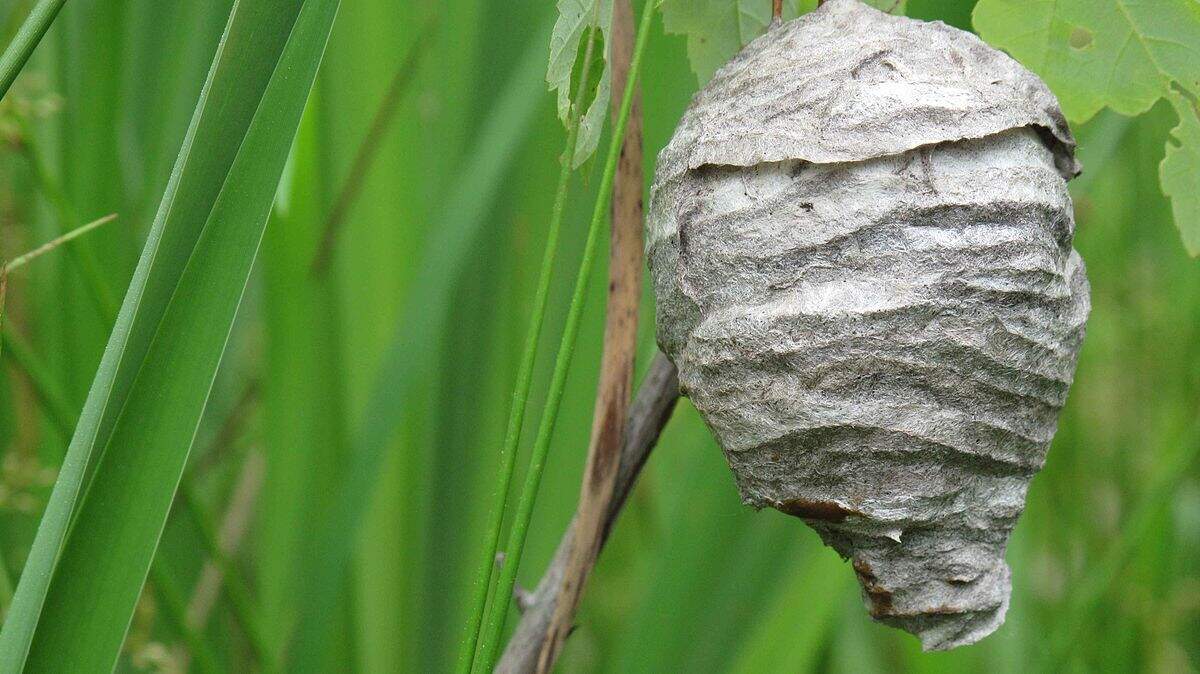
Why is Charlotte nicknamed the ‘hornet’s nest’? What to know about the symbol of rebellion
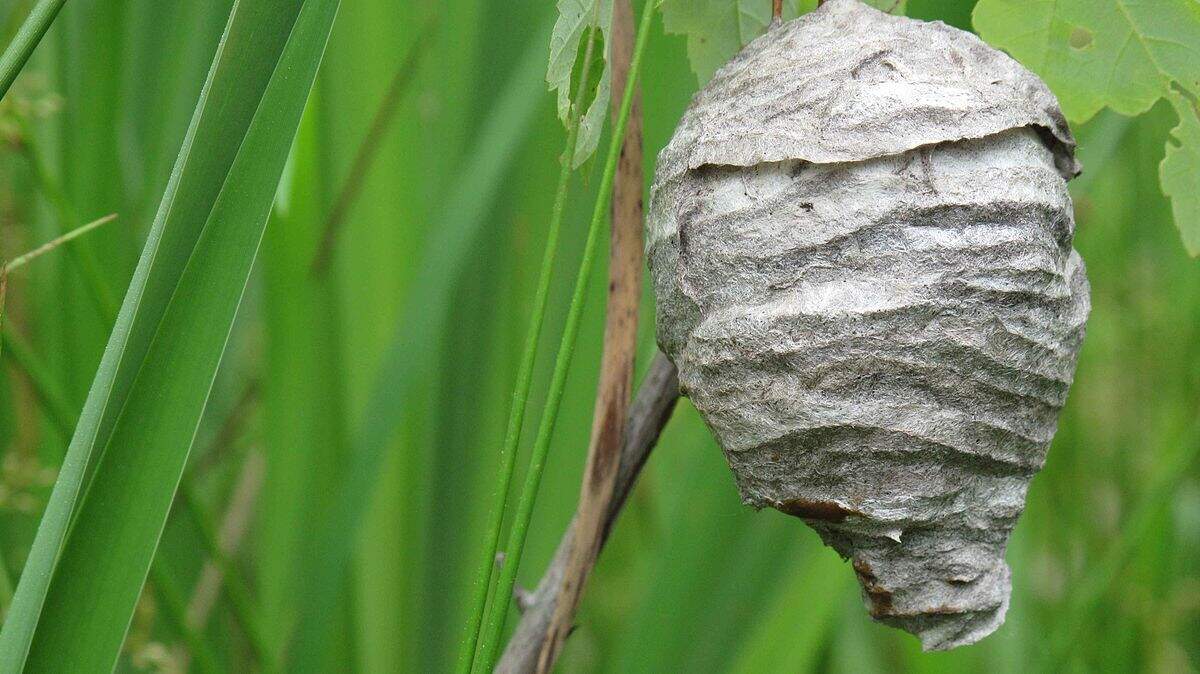
Charlotte’s nickname is the “hornet’s nest,” and if you look around the city, it won’t take you long to find landmarks — and even an NBA team — to commemorate it.
Hornets Nest Park, Hornets Nest Elementary and the Charlotte Hornets all share the name. The Mecklenburg County seal and Charlotte-Mecklenburg Police cars also feature images of a hornet’s nest.
Hornets are usually not aggressive, but they will defend themselves when they feel threatened, and that’s exactly what soldiers in Charlotte did during a Revolutionary War battle. That battle is what led a British officer to compare the area to the insect with a vicious sting.
Here’s what happened.
Where does Charlotte’s ‘hornet’s nest’ nickname come from?
The “hornet’s nest” moniker came from the Battle of Charlotte in 1780, which “marked the beginning of a turning point in the southern campaign of the American Revolution,” according to the Charlotte Museum of History.
From Sept. 11-24, 1780, Lord Cornwallis, a British Army officer, stationed his troops along Waxhaw Creek in South Carolina, in preparation to invade North Carolina. On the other side of the state line, American soldiers readied themselves near present-day Old Providence Road, under the leadership of Major General Jethro Sumner and Brigadier General William Davidson.
While many American soldiers withdrew north to Salisbury, Sumner ordered Colonel William Davie, who was eventually joined by Captain Joseph Graham and Major Joseph Dickson, to keep his men in Charlotte to protect the fleeing soldiers.
On Sept. 26, Cornwallis and his men invaded Charlotte along present day South Tryon Street and were eventually able to work their way into center city after a long battle, where Graham was severely wounded and left for dead.
However, after 16 days, Cornwallis and his men were forced to retreat back to South Carolina. It was during this time that Cornwallis referred to Charlotte and Mecklenburg County as a “hornet’s nest of rebellion.”