NC is seeing some earthquakes. Is it time for earthquake insurance?
AI-generated summary reviewed by our newsroom.
- Several shallow earthquakes were recorded near Randleman in Randolph County last week.
- North Carolinians can add earthquake endorsements; cost varies by structure and location.
- A UNC Charlotte expert says Piedmont seismicity shows sparse quakes that often die off.
Whether you felt tremors last week or not, many North Carolinians may wonder whether it is necessary to get earthquake insurance on their homes.
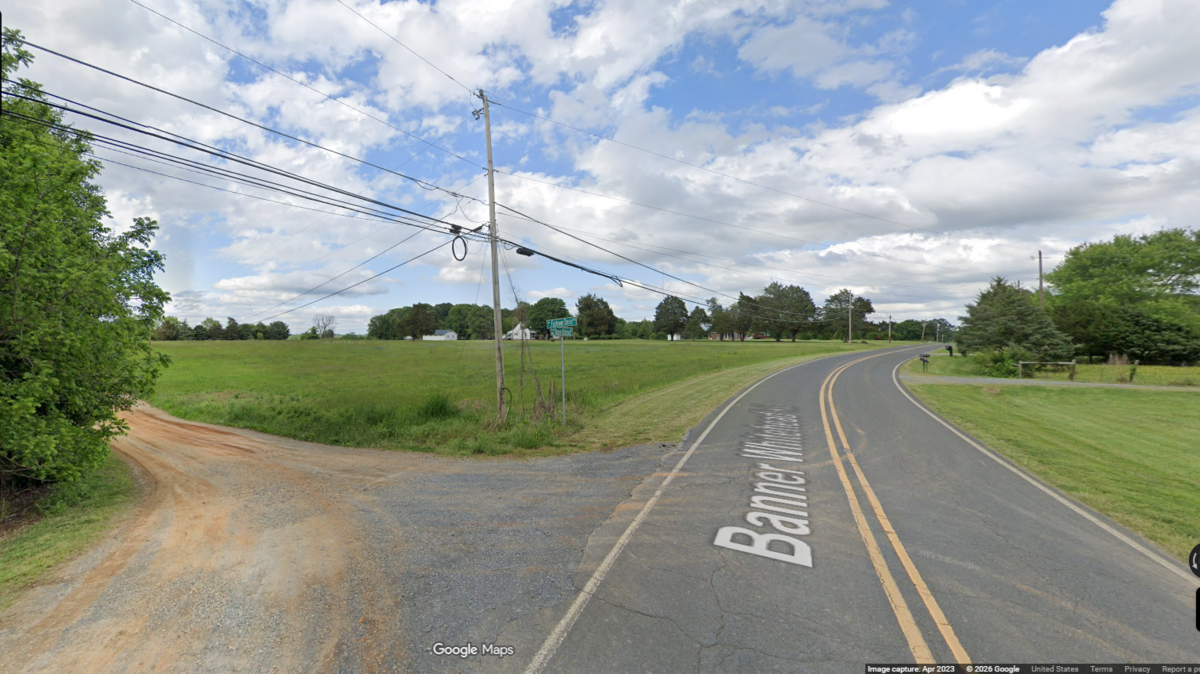
Several shallow earthquakes were recorded near Randleman, North Carolina in Randolph County last week, The Charlotte Observer reported. There have been five minor quakes in the region since Easter.
NC earthquake history
Despite recent earthquakes, North Carolina isn’t known for them, nor are they increasing.
“If you look at the longer view of seismicity, especially in the Piedmont area of North and South Carolina, we’re not having an increase in the total numbers,” UNC Charlotte associate professor of structural geology Andy Bobyarchick said.
Bobyarchick compares the recent spate of seismic activity to similar earthquakes in Elgin, South Carolina, a few years prior.
“We see that as sort of behavior in different parts of the Piedmont — very sparse, small earthquakes. The area will experience a few earthquakes and then often die off,” Bobyarchick said. “It’s kind of similar to Elgin, where we don’t know of a specific earthquake fault. It’s just old cracks and fractures in Earth’s crust being sort of reactivated.”
Does Charlotte get earthquakes?
He said that when Charlotte has experienced seismic activity, it has historically come from other places:
- A large earthquake in Charleston, South Carolina in 1886 caused some structural damage in North Carolina.
- The New Madrid Seismic Zone in the Mississippi Valley had three large earthquakes in the early 1800s that were felt over much of the Eastern US.
- The Central Virginia Seismic Zone along the James River could also produce seismic activity felt lower in the United States.
“When you look at the area of influence of those historical earthquakes, that does put us in a small risk category, which means, even though we don’t have historically or in memory, many large damaging earthquakes… we still have to be aware of the fact that if one of those larger seismic zones were to experience an event similar to the historical ones, there could be damage and such in our area,” Bobyarchick said.

Should I get earthquake insurance?
You can get earthquake insurance in North Carolina, but costs will vary, depending on the structure and location.
Bobyarchick said a lot of the choice comes down to personal comfort and caution, because earthquake insurance is harder to predict than other disaster insurances, like flood insurance.
“It’s harder to make that decision than for flood insurance, because we have a pretty good idea of where the flood hazards are, and if your house is an older house built in a floodway, you have a greater chance of experiencing the flood. Earthquakes are different,” Bobyarchick said.
As earthquake insurance won’t be inexpensive, he recommends people check the risk factor of their property on earthquake hazard maps and consider the price point of the insurance policies. Earthquake hazard maps are available through FEMA. You can add earthquake insurance to your policy by purchasing an earthquake endorsement. This can cover repairs needed because of an earthquake and can also insure personal property, debris removal or living expenses while a home is repaired, according to The North Carolina Department of Insurance.
“If I were to live closer to the Charleston area, I probably would consider it. Personally, here it’s almost a toss of a coin. It really depends on your view, on how secure you want to be, and the deductibles on those additions tend to be pretty high as well, so you’re looking at a fairly [large] increase in your insurance rates,” Bobyarchick.
The United States Geological Survey recommends homeowners consider:
- Proximity to active earthquake faults
- Frequency of earthquakes
- Time since last earthquake
- Type of building and foundation, layout and materials
- The extent to which earthquake resistance was considered when your home was built
- Local site conditions, such as the type and condition of soil, slope of the land and rainfall
- Value of the building and its contents
- Cost of the insurance
Both the USGS and Bobyarchick say properties need to be individually evaluated by experts and insurance. There may not be a one size fits all solution.