
Neighbors cried foul when Mooresville HOA sought to remove beloved ducks from pond
Ducks have called the pond in the Curtis Pond community home for the nearly 18 years Denise and Erik Rice have lived in the longtime Mooresville subdivision.
”I’ve always tended to them, watched over them and thrown them duck feed when we walked our dogs around the pond,” she said of the waterfowl in the community off Rocky River Road, about 35 miles north of Charlotte.
But new homeowners association board members raised liability concerns in December over young waterfowl Rice introduced to the 2 1/2-acre federally protected pond, according to emails Rice shared with The Charlotte Observer. The ducks or geese could hurt someone or damage property, a board member contended.
Suddenly, the ducks Denise Rice and her neighbors had been accustomed to flocking in the neighborhood appeared destined to leave. And it set up a showdown between several of the community residents and the HOA.
A waterfowl refuge was set to accept the ducks, which the board contended were “domesticated ducks” living among the more prevalent wild ones, according to the emails.
Horrified by the imminent removal of the ducks, residents banded together, promising to pack their annual HOA meeting on Wednesday, Feb. 15.
Denise Rice said the latest ducks she added to the pond last year were months old when she accepted them from a farm, and they’ve lived in the wild at the pond ever since. That means they, too, are wild, she said.
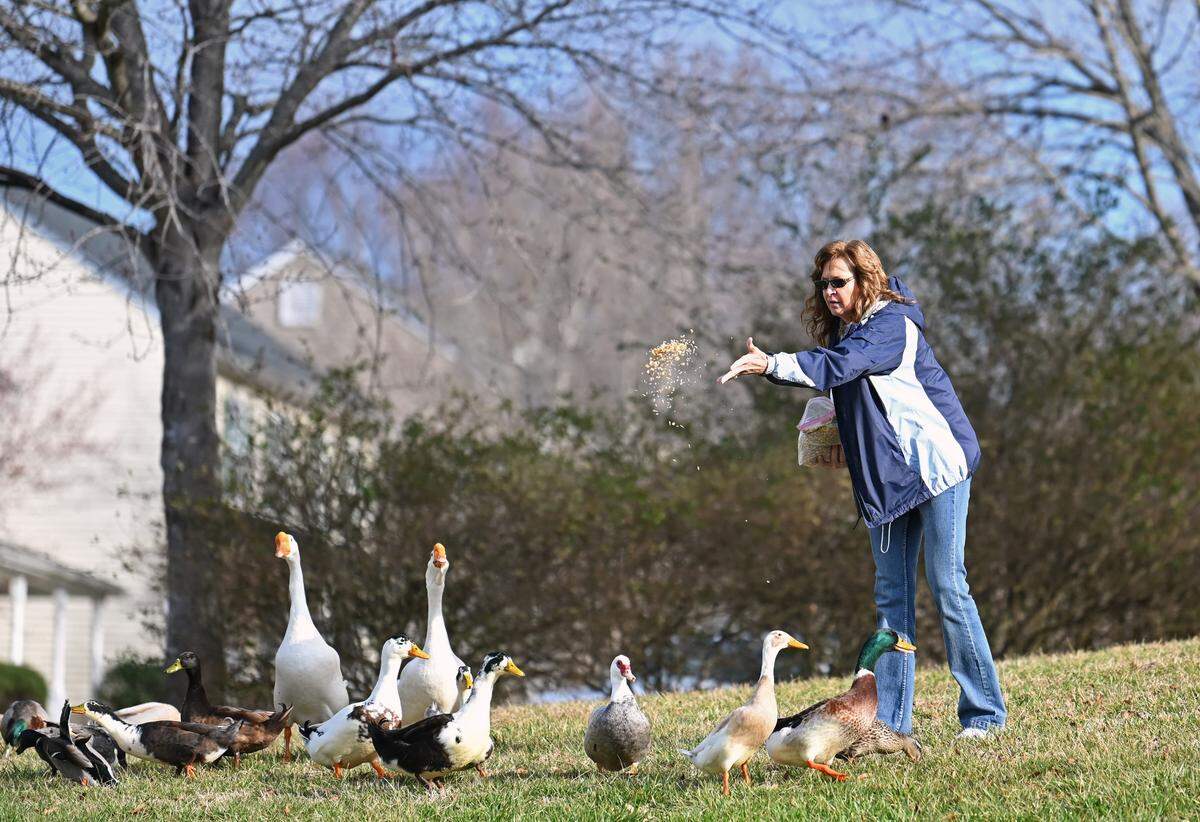
She tosses appropriate feed to the waterfowl, but only to supplement what the ducks already find on their own, she said. In winter, the waterfowl especially welcome the additional feed, she said.
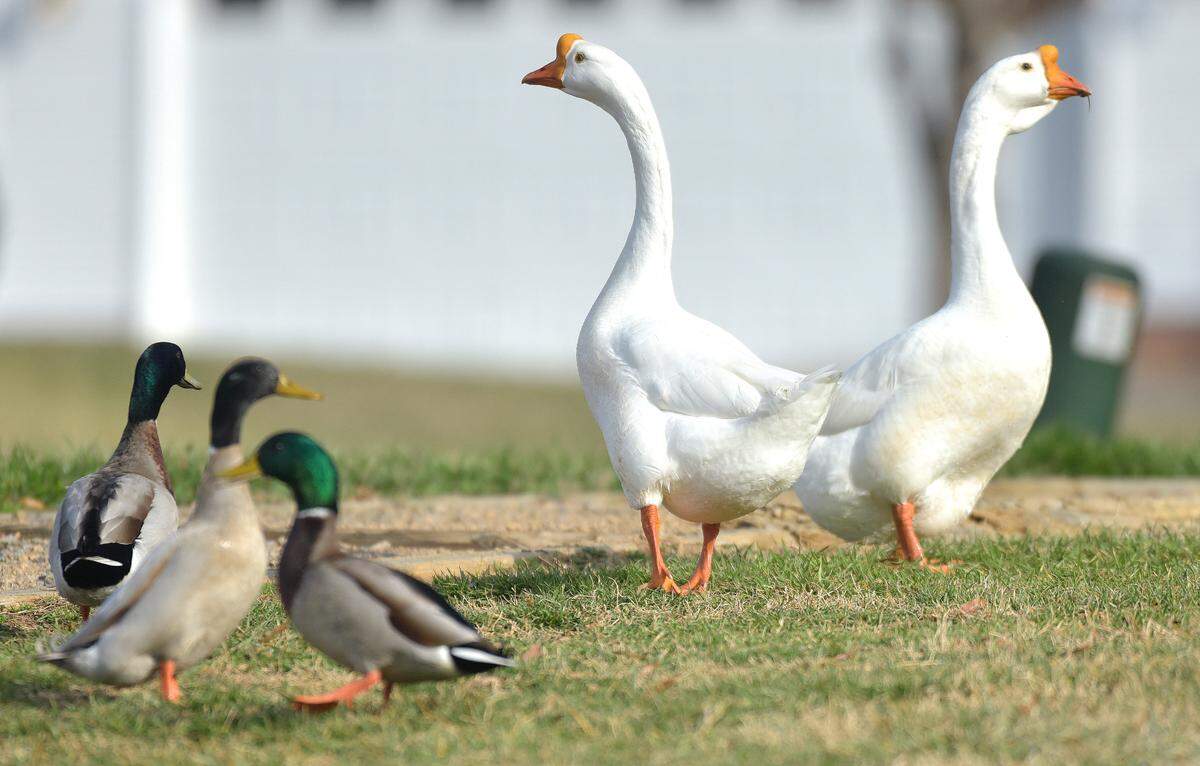
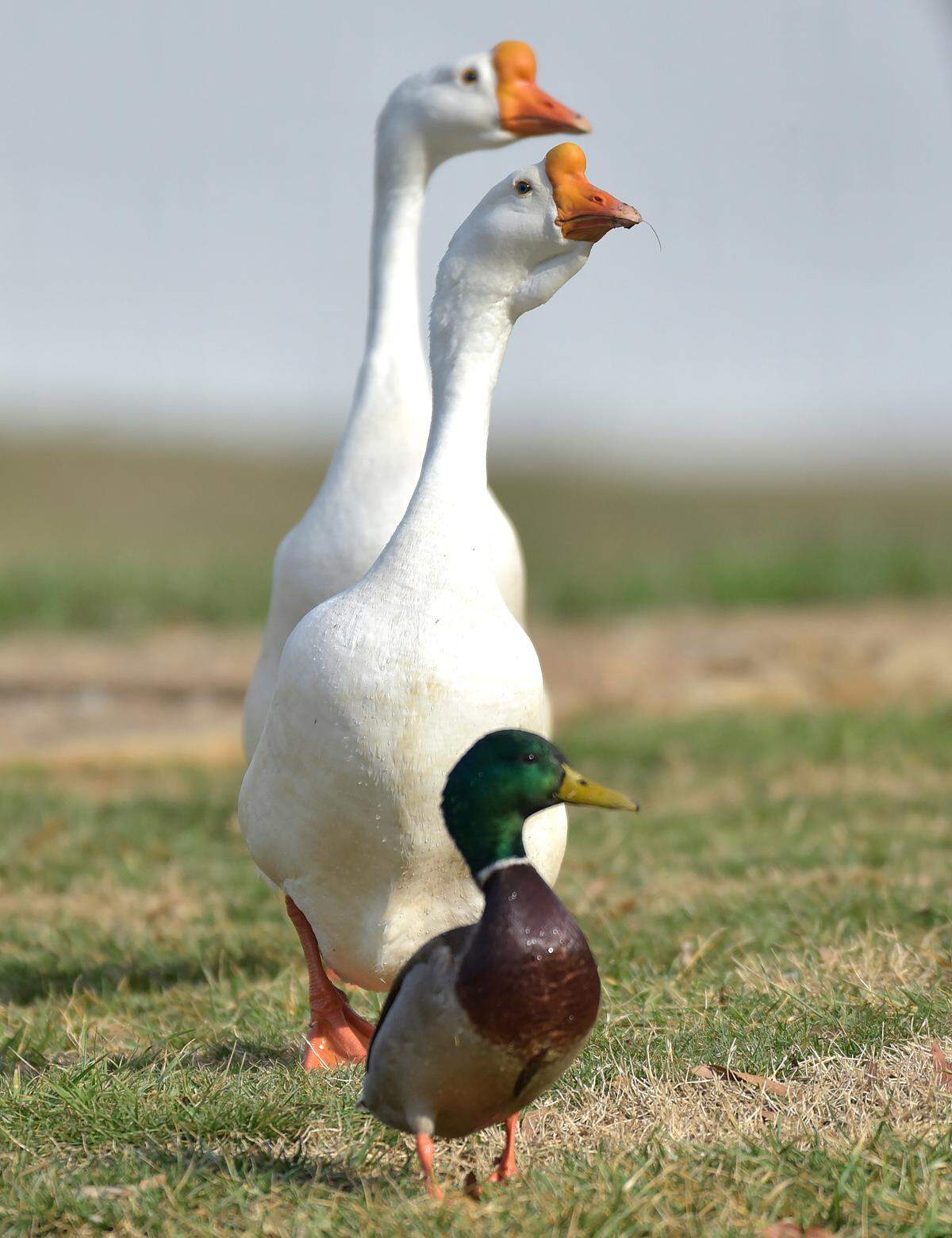
The 29 ducks and three white Chinese geese hurriedly waddled to Rice from the water and banks of the pond as she arrived on Friday. Eight or so other residents also gathered to express their outrage to a Charlotte Observer reporter about the ducks’ possible removal.
“It’s absolutely horrible,” 20-year Curtis Pond resident Mary Hart said. “Not only is it inhumane, it’s pointless. I can’t imagine the pond without waterfowl.”
Predators, cars killed ducks
When the Rices moved to Curtis Pond, five mallard drakes lived in the pond along Royalton Road in phase 1 of the development, Denise Rice said.
In the past three to five years, she said, one of the ducks got hit by a car, “then another, then another,” she said.
Down to two ducks, Rice proposed to the HOA board that a custom island be built and then anchored in the pond. The ducks would have a safe place to leave the water, instead of near the road, she said.
The board approved the plan, “and I had the first island made,” she said. “We filled it with aquatic plants and launched it.”
A predator, likely a hawk, soon killed one of the ducks.
“I was sick,” she said. “There was one lone duck, and he was slowly losing his color and stopped eating the duck feed we sent him.”
A resident of another development gave Rice three of her mallard hens.
“Once they got in the water, the drake was so happy,” Rice said. “It was great to see how he brightened right up and man, he was in heaven.”
A predator then killed the drake, she said, citing the conclusion of Animal Control workers. Probably a hawk, again, she said.
“Good Lord, now there are three hens and nothing to protect them,” she worried.
Growing the flock
Donations from neighbors and some HOA money were used to adopt more young ducks, Rice said. She served on the HOA board at the time.
“They became a small happy flock,” she said. “One thing that Animal Control said stuck with me: With waterfowl, there is safety in numbers. So, over the last three years, I joined the HOA (board) and had three more islands built.”
Rice paid the adoption fee, and, with HOA money, acquired more young ducks, all “with the community’s knowledge” and HOA management company approval, she said.
“I didn’t do any of this on a whim,” she said. “I’ve done research for years, met with duck farmers, scoured the internet for information and educated myself. I knew that a 2.5-acre pond could easily hold 30 or so waterfowl without negatively affecting the ecosystem.”
Unwelcome Canada geese
And then, an unfortunate turn: Canada geese showed up, “messing up our pond,” Rice said.
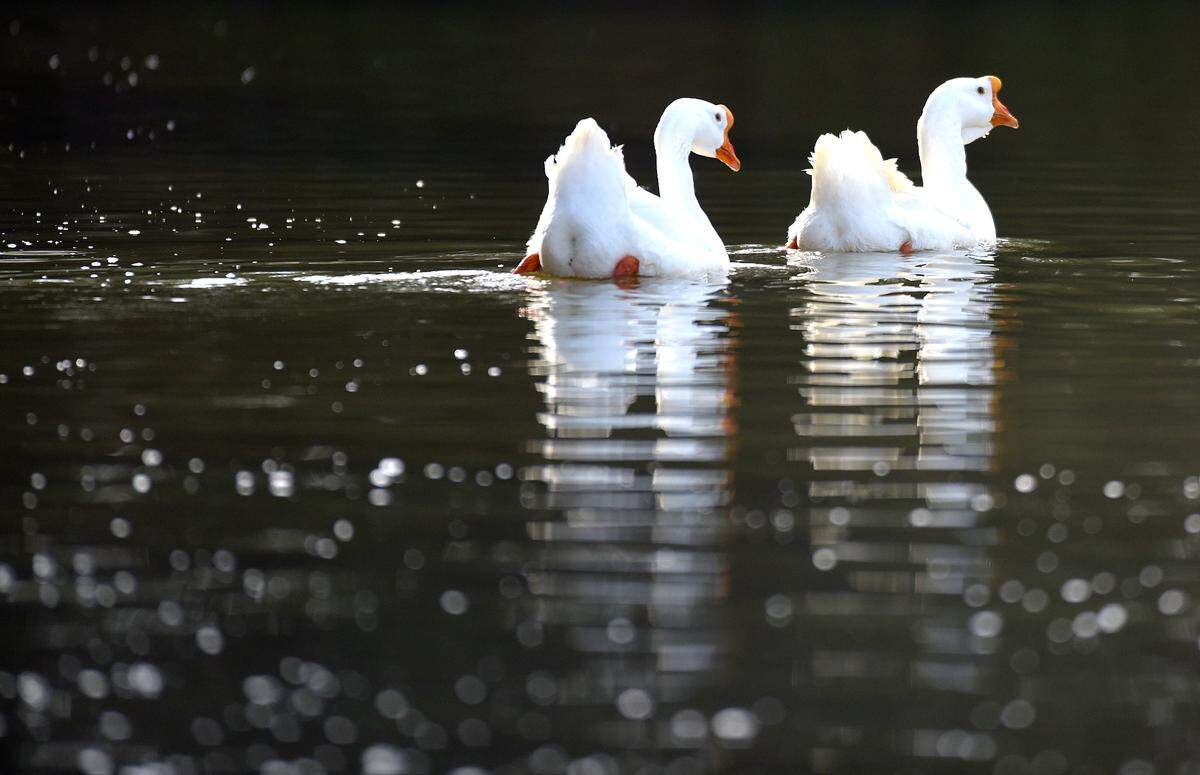
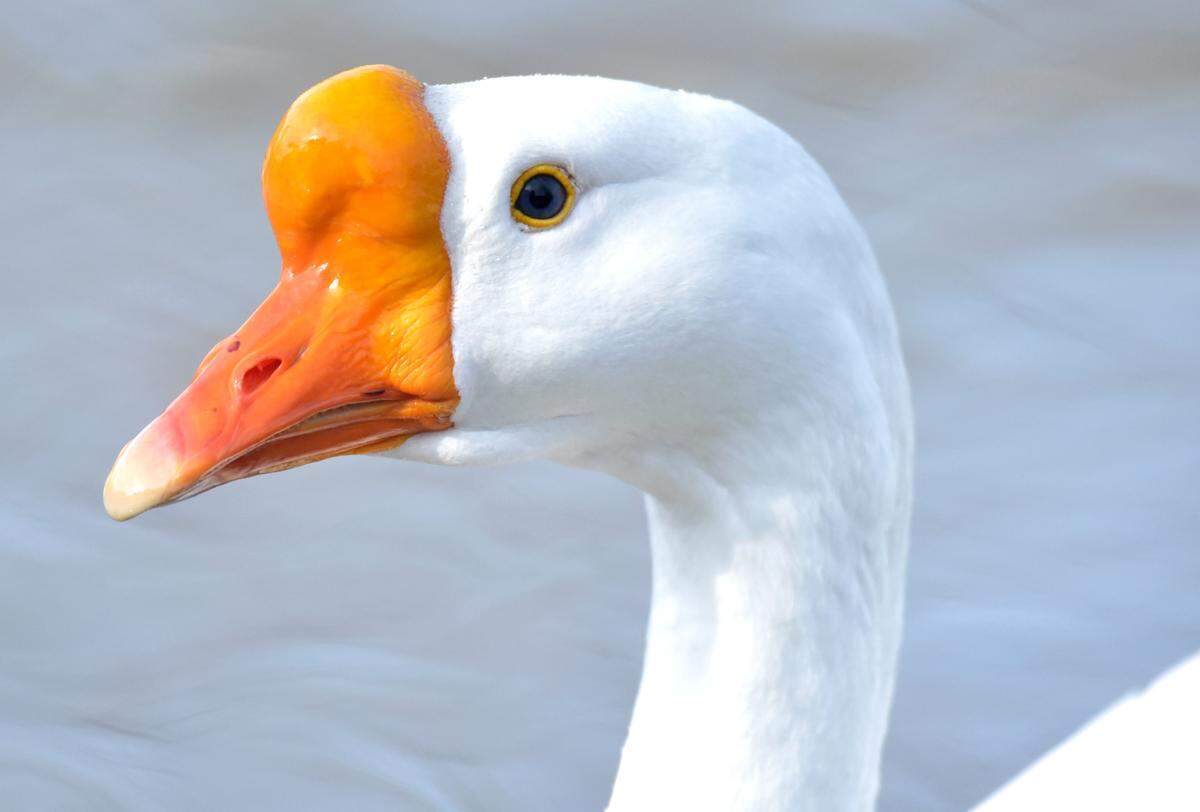
She spent months researching a way to humanely keep the Canadian geese away, and found that white Chinese geese “are super protective of ducks and will chase the Canadian ones away.”
Last spring, three white Chinese geese were added to the flock. Peaceful a geese species as can be, Rice said. After three years of work, the flock was complete.
“The pond has never been healthier,” Rice said. “It’s alive with beautiful wildlife, and it’s so clean. The support and appreciation from the community is overwhelming.”
A few months ago, Rice left the HOA board due to personal reasons.
Then, in December, she got an email.
Liability concerns
In emails to Rice in December, two HOA board members raised liability concerns over the latest waterfowl Rice introduced to the pond. Board members referred to those ducks as “domesticated,” a term at which Rice bristles.
“The previous board didn’t know/think to inquire to see if there were any liabilities to bringing in waterfowl to a community but unfortunately there is,” one board member told Rice in a Dec. 15 email.
The board member cited the possibility of a duck or goose hurting someone, as well as potentially damaging property.
Cedar Management, the HOA’s management company, “has reached out and found a place for them to go,” the board member told Rice.
Another board member emailed Rice a board statement.
“Denise we appreciate your hard work in trying to maintain the ducks at the pond,” the statement said.
“With reviewing the budget, legalities with liability, and the responsibility of the HOA to provide food for them we are researching having the domesticated ducks/geese removed from the pond. We had no idea of the risk factor legally that came with bringing them here.
“The good news is that we’ve always had ducks and geese at the pond that lines up with our wildlife preserve (the pond) so they will not take those ones,” according to the statement.
Lawyer’s concerns
In a phone interview Thursday night, Charlotte lawyer Kenneth Love told the Observer he’d raised the waterfowl liability concerns with the HOA board. His firm, Karrenstein & Love, represents the HOA.
What if an unruly teen bothered the ducks, as residents have reported teens doing at the pond, and a duck bit the teen? Love asked.
Also, a worker hired to check the health of the pond reported higher concentrations of nitrates after more ducks were added, Love said. Duck poop is a common source of the potentially harmful compounds made of nitrogen and oxygen.
Love contacted the Observer after the newspaper emailed HOA board members on Thursday requesting comment. None of the four board members replied.
The high nitrate levels prompted the board to meet with wildlife experts on how to respond, Love said. The number of ducks concerned the vendor who maintains the pond, he added.
One species of duck in the pond could be moved, but that would make little or no difference to pond nitrate levels, the board learned, according to Love.
Plus, Love said, the wildfowl are federally protected. A sign at the pond says it’s a certified wildlife habitat by the National Wildlife Federation.
“There’s no plan to remove any of them,” Love said. “Nothing’s being moved.”
The decision was to “let nature take its course,” he said.
Homeowners got the news in an emailed letter from Love on Friday that also urged people to stop feeding the waterfowl.
Rice was elated.
“WE DID IT!!!,” she said in an email with too many exclamation marks to count.
This story was originally published February 13, 2023 at 6:00 AM.