
Toxic algae surfaces on Lake Norman again. What’s being done to stop its spread?
Toxic algae is spreading again in Lake Norman coves and along the shore of an island near the Davidson College lake campus in southern Iredell County, residents reported to the N.C. Department of Environmental Quality.
Algal toxins can kill fish and dogs. North Carolina has never had a documented report of a person sickened by algal blooms, according to the N.C. Department of Health and Human Services.
Lake homeowners said they’re taking no chances.
“My grandchildren used to run down and jump in the water,” Vicki Carbone told The Charlotte Observer Tuesday at the home where she lives with her husband, Tom, overlooking a cove infested for a third straight year with Lyngbya algae. “Not now.”
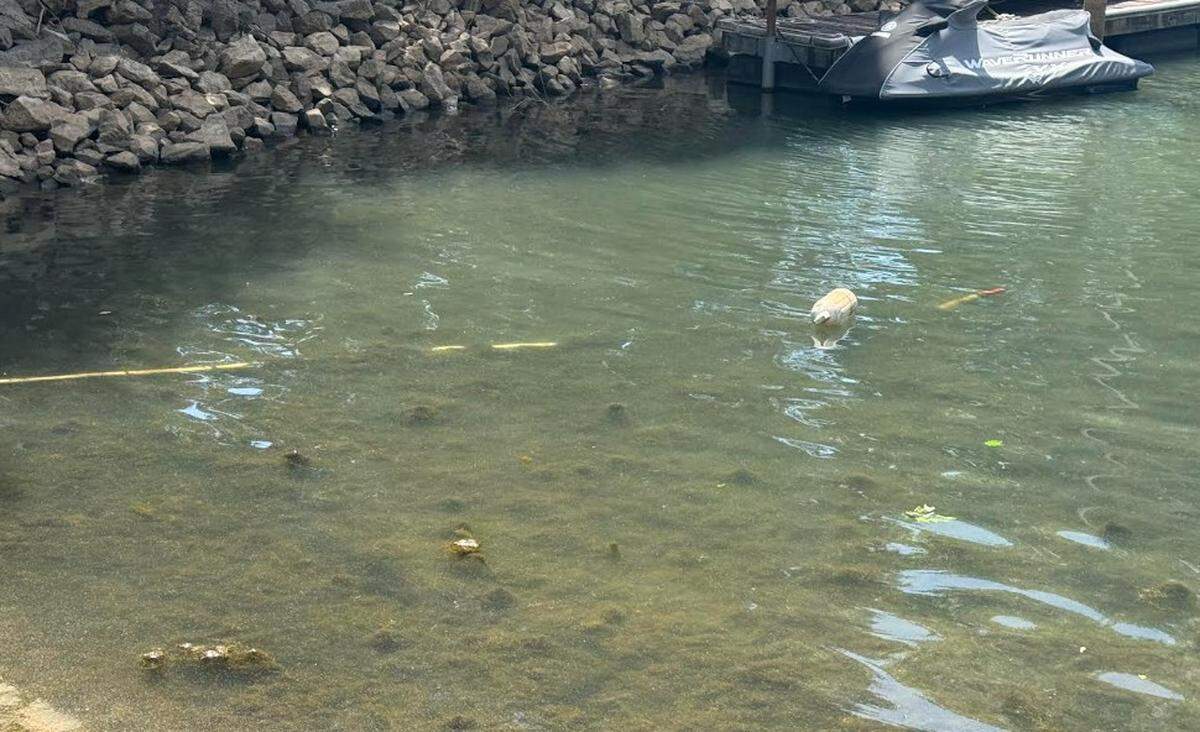
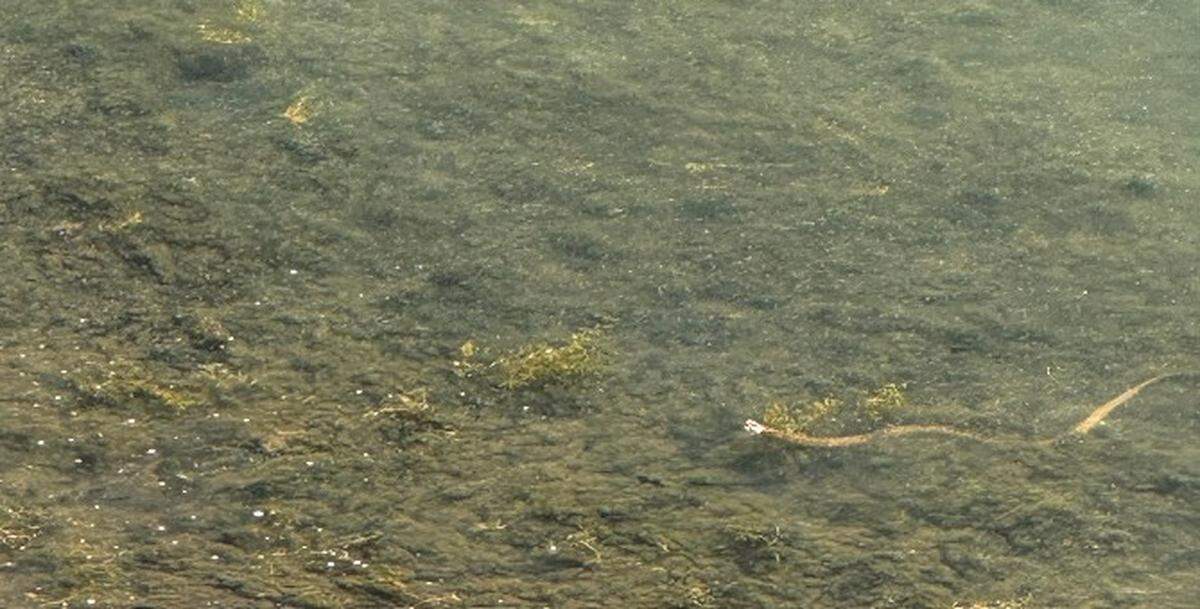
The algae reemerged during a hot-weather spurt in April, Tom Carbone said, and clumps were visible this week. “When it’s really bad, it’s like a mat of hairy green plant life,” he said.
The Carbones live on Bridgeport Drive off Interstate 77 Langtree Road exit 31.
The infestation spread across an acre of their cove, officials confirmed on the state’s algae reporting site, NC Fish Kill & Algal Bloom Reports.
Other Lake Norman outbreak reports
The largest reported outbreak of the year covered 55 acres off Binns Road in Mooresville, the site shows. Binns Road is off Tuskarora Trail southwest of Trump National Golf Club Charlotte, which is on Brawley School Road. The outbreak was reported in late April.
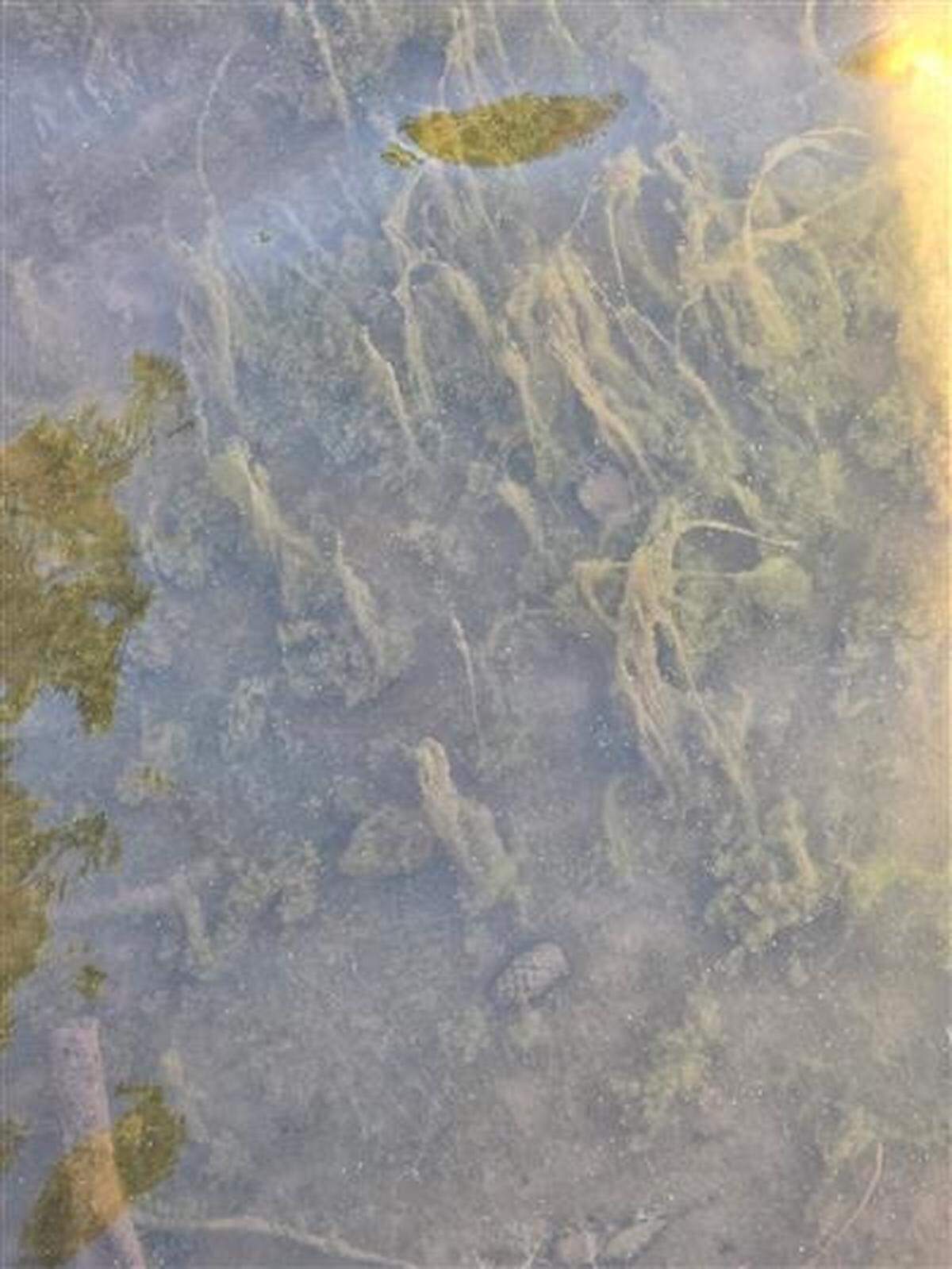
“It started after all the forested areas were cut down and homes built,” a Binns Road resident reported on the site. “Water run off in the area is excessive. Lawns in this area are treated with chemicals.”
Duke Energy, however, inspected the site and found 13 acres of nontoxic native species – green algae, spikerush and eelgrass – and no Lyngbya algae, Duke Energy spokesperson Logan Stewart told The Charlotte Observer on Tuesday, May 12.
“Someone probably assumed it was lyngbya and added that to the NCDEQ site, but it is incorrect,” Stewart said in an email.
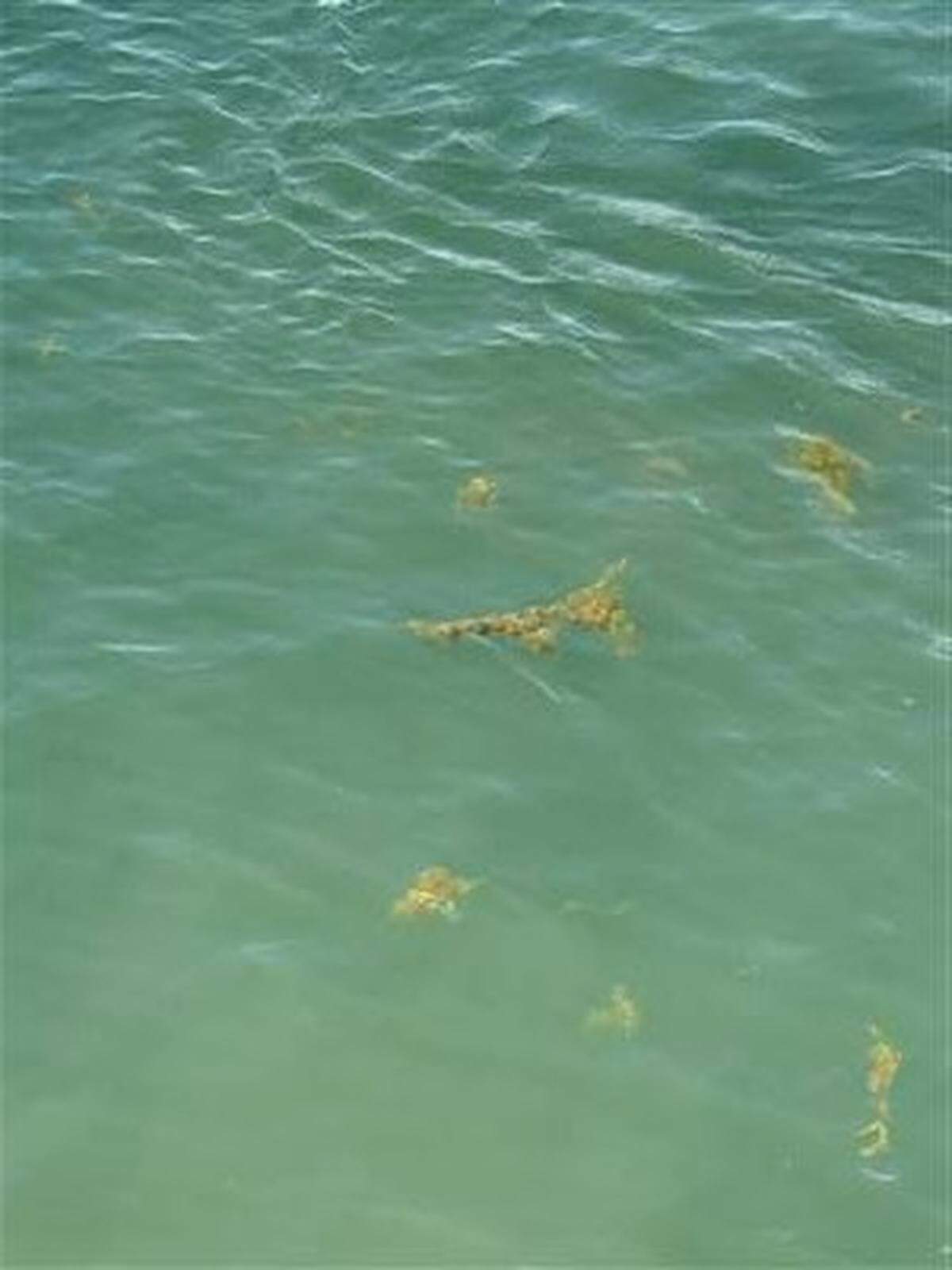
On the reporting site, state officials said they’re also investigating an April 24 report of the algae along the side of the island near the Davidson College Lake Campus. The infestation spread across two acres, according to the site.
Duke Energy: Drought delayed algae treatments
General guidance by the N.C. Division of Water Resources “is to avoid contact with discolored water that could indicate the presence of an algal bloom,” state officials wrote on the reporting site in response to the outbreak off Binns Road.
“When in doubt, stay out,” officials advised on the site.
The N.C. Division of Public Health “reminds the public to take precautions as other microorganisms or pollution may be present in waterbodies that can lead to recreational water illness,” officials also said on the site in response to the Binns Road outbreak.
Tom Carbone said he contacted the Observer after receiving no update from Duke Energy or the Lake Norman Marine Commission on when his cove will be treated for the algae. Last year, his cove was treated once a month from April through October, although the algae showed up again shortly after each treatment, he said.
Drought delayed April treatments on Lake Norman, Mountain Island Lake and Lake Wylie, Duke Energy spokesperson Logan Stewart said Wednesday.
Treatments “are scheduled to begin in pre-identified locations in mid-May, dependent on impacts to treatment areas from continued drought conditions,” Stewart said in an email.
The treatments are part of a Lyngbya management program on the three Charlotte-area lakes and Lake Wateree, she said. Lake Wateree is northeast of Columbia, S.C.
No similar outbreaks have been reported this year on the other Charlotte-area lakes, according to the North Carolina and South Carolina algae reporting sites.
Local counties, municipalities and Duke Energy work together on the treatment effort, which is administered by the Catawba-Wateree Water Management Group, Stewart said.
“Duke Energy is a funding partner and provides technical support; however, this is not a Duke Energy-led program,” she said.
Treatment began on Lake Norman in 2024 based on such factors as confirmed sightings and “anticipated treatment effectiveness,” Stewart said. “No new sites have been added at this time, although additional sites are possible in the future.”
“Lyngbya has potential to produce toxins but is unlikely to produce them in the natural environment,” Stewart said, adding that N.C. State University “is currently doing a lot of research on it.”
Stewart urged residents to report nuisance aquatic growth on the Duke Energy Aquatic Plant Reporting Tool. They can submit photos and the location of the growth on the site, Aquatic Plant Report - Duke Energy.
This story was originally published May 7, 2026 at 11:58 AM.