
9-foot alligator found hundreds of miles from natural habitat is put down in Oklahoma
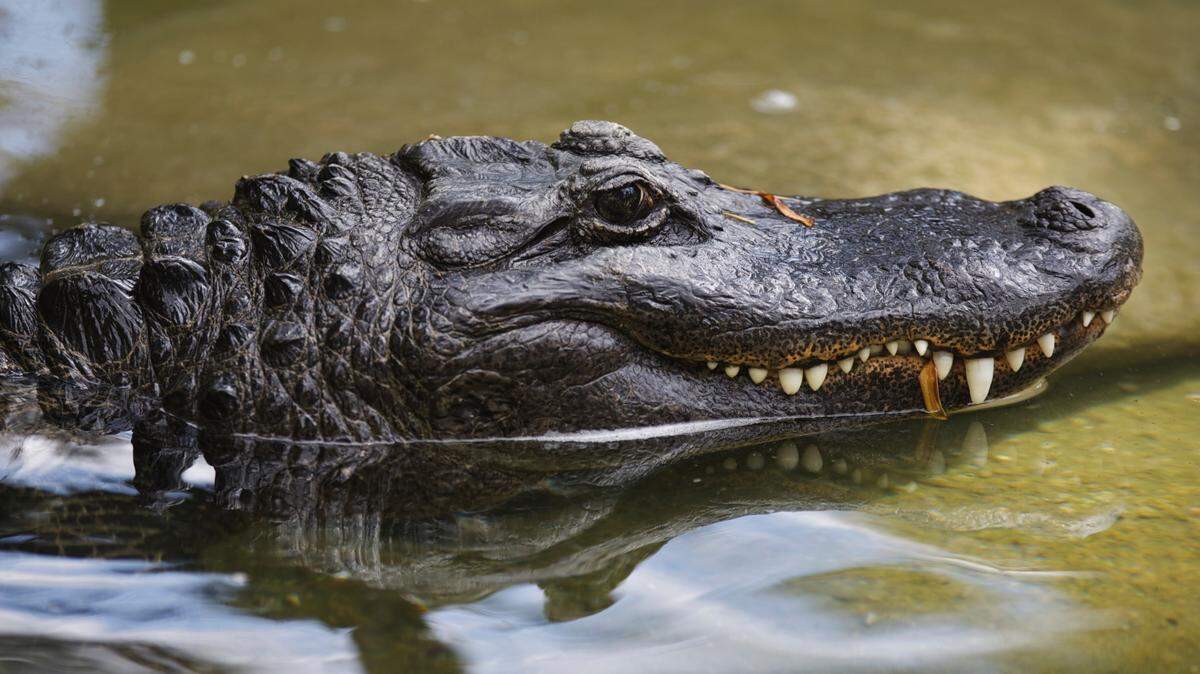
A large alligator recently spotted in an Oklahoma lake was quickly euthanized by authorities, but questions remain over how the animal wound up so far from any natural habitat, outlets report.
The alligator, which measured 9 feet, 6 inches long, was seen in Claremore Lake, roughly 30 miles northeast of Tulsa, and state wildlife authorities were alerted, the KTUL reported on May 10.
Leaving a predator of that size in a location it doesn’t belong, a lake frequently filled with people, wasn’t a risk officials were willing to take, Oklahoma Department of Wildlife Conservation spokesperson Micah Holmes, told the Claremore Daily Progress.
“Public safety is our number one concern,” Holmes said.
It wasn’t possible to move the alligator, Holmes told the Tulsa World.
For one, it was too big, “and even if we were able to catch it alive, we weren’t able to safely move it to another location because we don’t know where it came from, and we don’t know if it was habituated to humans or not,” he said.
Officials don’t know for certain how long the alligator had been in Claremore Lake, but the first reported sightings came in about a week before ODWC put the reptile down.
It’s an unfortunate outcome, but a person is likely to blame for it, Holmes told the Claremore Daily Progress.
Experts doubt the alligator made its way from the southeastern corner of Oklahoma, where they naturally reside, to a northeastern lake, all on its own. That would be a journey of over 200 miles.
Officials believe somebody must have intentionally taken the animal from somewhere else and placed it in Claremore Lake, putting the safety of residents and visitors, and the alligator itself, at risk, Holmes told the newspaper.
In the wild, American alligators are known to grow more than 12 feet long and weigh 1,000 pounds, according to the National Wildlife Foundation.
This story was originally published May 11, 2022 at 3:33 PM with the headline "9-foot alligator found hundreds of miles from natural habitat is put down in Oklahoma."