As Ozempic craze grows and risks increase, FDA approves alternative. What is Zepbound?
As celebrities, friends and neighbors seem to be losing weight at an astonishing rate, more and more Americans are asking their doctors about weight loss injections.
While only 4% of Americans are actually on a prescription weight loss drug, nearly half of adults said they would be interested in taking a “safe and effective” prescription to cut those last few pounds, according to a survey by the Kaiser Family Foundation in August.
Ozempic, a drug intended to help treat the symptoms of Type 2 diabetes, and Wegovy, a drug prescribed specifically for weight loss have, so far, dominated the prescription weight loss game, but a new player is entering the field.
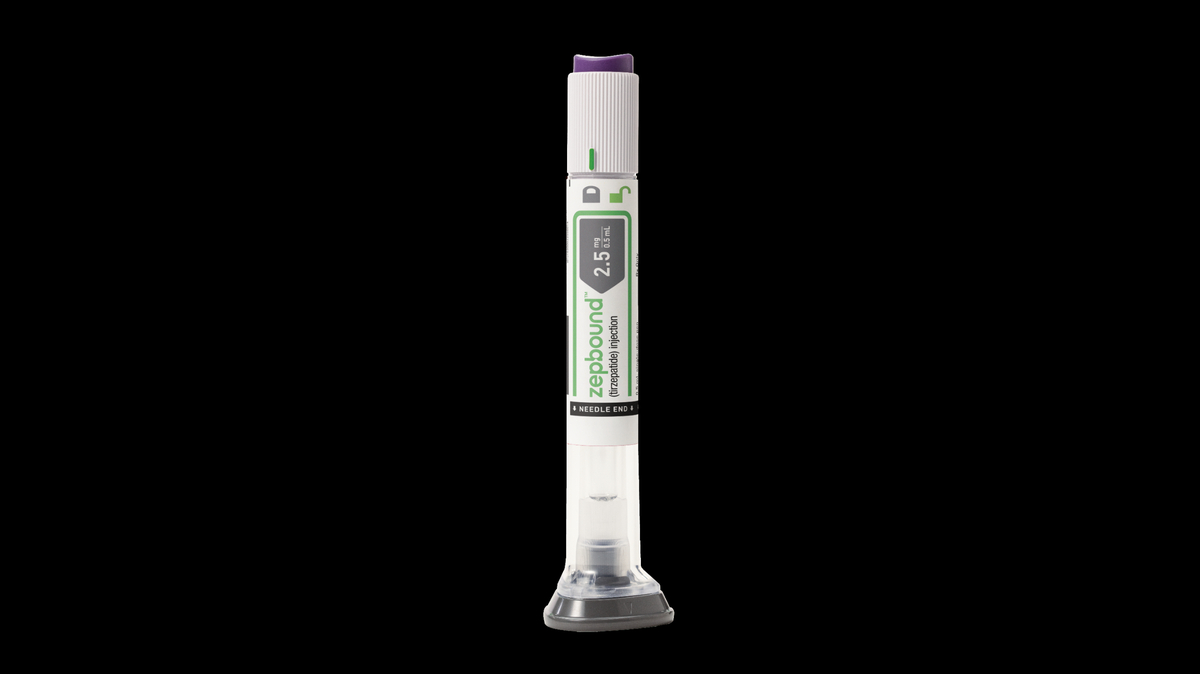
On Nov. 8, the Food and Drug Administration approved the drug tirzepatide, sold under the name Zepbound by Eli Lilly, for chronic weight loss management for obese and overweight adults, the agency said in a news release.
Approval by the FDA is an important step for bringing down the price of the drug, currently on the market for $1,059.87 per dose, the company said.
With approval, those that have the drug covered by their insurance could pay as little as $25 for a 1- or 3-month prescription, and even those with commercial insurance that doesn’t cover the drug could pay $550 for the same prescription, 50% lower than the list price, Eli Lilly said.
The company said Zepbound will be available in six different doses by the end of the year.
The weight loss drug market in America
Ozempic was approved by the FDA in 2017 for use in adults with Type 2 diabetes, but has never been approved for weight loss alone, according to UC Davis Health.
The drug’s active ingredient, semaglutide, works by mimicking naturally occurring insulin, and as the hormone levels rise, insulin tells your brain that you’re full and slows digestion.
The desirable side effect, weight loss, has prompted many physicians to instead prescribe the weekly injection for obese and overweight patients, even if they don’t have diabetes.
In 2021, the FDA approved the same active ingredient, semaglutide, at a higher dose in the weekly injection Wegovy, according to a news release.
Wegovy was approved to target weight loss specifically, and individuals in clinical trials leading up to the approval saw a 6.2% loss of body weight on the drug, the FDA said.
Despite both drugs being on the market for years, the main barrier many Americans faced was price.
Ozempic, as a diabetes drug, was often covered by health insurance, but Wegovy is not, hitting a list price of $1,349 in 2023, according to a recent report from the American Enterprise Institute.
Even with insurance coverage, Americans were paying as much $150 for a dose of Ozempic and $225 for a dose of Wegovy, according to the report.
Then something changed.
‘I never thought you could die from it’
The use of weight loss prescription drugs have skyrocketed in the past year as celebrity names like Tracy Morgan and Chelsea Handler have talked about their past or current use of the drug.
Use of semaglutide has increased so much that the FDA added it to a list of drugs that were in shortage in March 2022, and the drugs remain on the list as of Nov. 9.
With more people taking the drug came more stories of the potentially deadly side effects.
The FDA has reported more than 8,500 cases of gastrointestinal issues by users of Ozempic and Wegovy, among which 42 people were hospitalized from what the FDA calls “off-brand” semaglutide, CBS news and WebMD report.
On Nov. 5, 60 Minutes Australia reported a 56-year-old woman taking Ozempic to lose weight for her daughter’s wedding died after severe gastrointestinal complications from the drug.
“I never thought you could die from it,” her husband told 60 Minutes Australia. “If I knew that could happen, she wouldn’t have been taking it.”
A study published in the Journal of the American Medical Association in October found that those taking semaglutide were at an increased risk of severe stomach problems.
In August, a woman sued Novo Nordisk, the manufacturer of both Ozempic and Wegovy, saying using the drug caused her to have stomach paralysis, a condition that slows the churning of the stomach so much that eating and digesting food becomes extremely difficult.
With a high price tag and potentially life-threatening side effects, Eli Lilly went a different route.
So, how does Zepbound compare?
Eli Lilly’s active ingredient — tirzepatide
Eli Lilly sets its drugs apart by using a different active ingredient.
Tirzepatide works by stimulating insulin secretion as opposed to mimicking the hormone itself, Eli Lilly says.
The drug activates hormone receptors GIP and GLP-1, having the same effect of decreasing appetite and slowing digestion for weight loss.
The active ingredient was already used in the Eli Lilly drug Mounjaro, which had been approved by the FDA for use in diabetic patients only, according to the agency.
In clinical trials, Zepbound resulted in an 18% body weight loss in patients with an average weight of 231 pounds, blowing the results of the Wegovy trials out of the water for those without diabetes.
Is Zepbound safer? Time will tell.
The FDA noted similar side effects such as nausea, diarrhea, vomiting, constipation, stomach pain and acid reflux in its approval announcement.
When Zepbound hits the market at the end of this year, it could shift demand away from other weight loss drugs, allowing manufacturers to catch up and eliminate the shortage.
Type 2 diabetics have had to compete with others to get weight loss drugs, but another option for those without diabetes will leave more targeted medications for those that need them.
For any prescription medication, it is essential to discuss the use and potential side effects with a licensed healthcare provider.
“For decades, diet and exercise have been a go-to, but it’s not uncommon for a person to have tried 20-30 times to lose weight with this approach,” Eli Lilly senior vice president global medical affairs, Leonard Glass, said in the company’s news release. “Lilly is aiming to eliminate misperceptions about this disease and transform how it can be managed.”
This story was originally published November 9, 2023 at 2:12 PM with the headline "As Ozempic craze grows and risks increase, FDA approves alternative. What is Zepbound?."