‘Cryptic’ striped creature found on shrubs around eastern Great Lakes. See new species
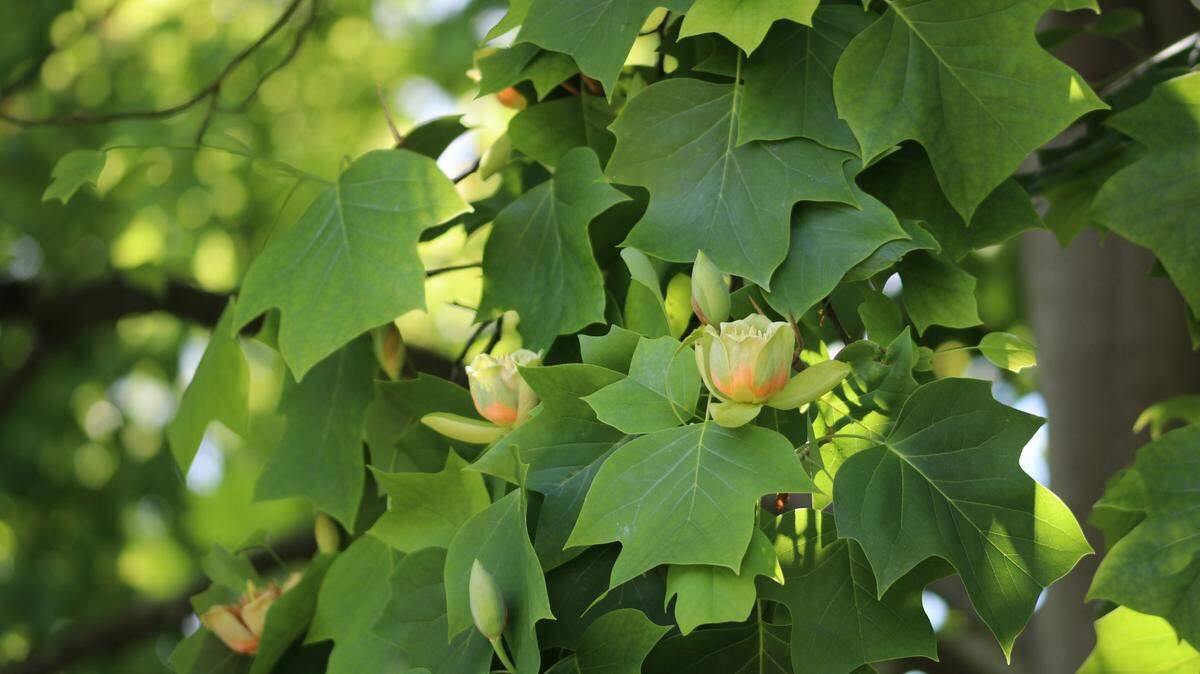
In the lead-up to summer, tulip trees and hop trees become dotted with small, black cocoons around the eastern Great Lakes.
The husks are created by small, greenish-gray caterpillars that go through an astonishing transformation. Then, around the summer solstice, they emerge.
From the black cocoons, yellow and black striped butterflies spread their wings in flight from southern Ontario, Canada, to Pennsylvania.
Researchers studying butterflies collected the animals for decades between 1999 and 2023, and brought them back to labs to grow, according to a study published Feb. 14 in the peer-reviewed journal ZooKeys.
Now, they’ve identified the butterfly as a new “cryptic” species.
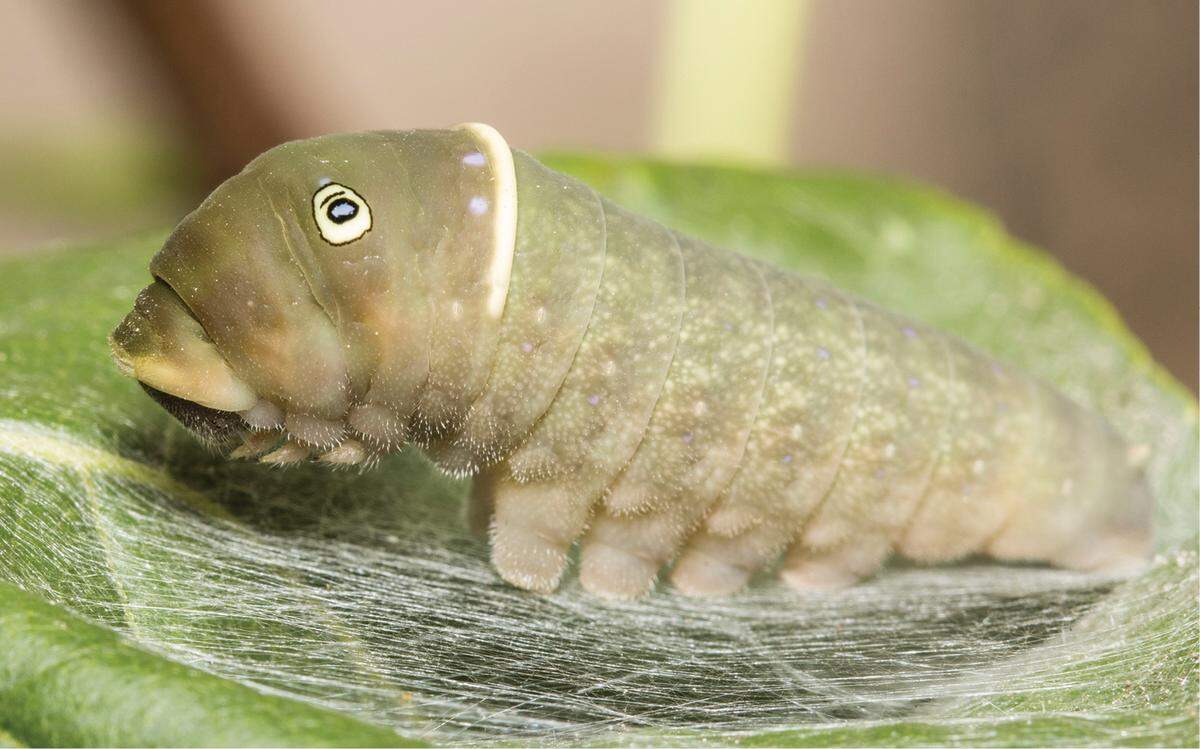
Cryptic species are animals that might look identical from the outside, with many if not all of the same physical traits, but are genetically different and therefore categorized as independent species.
In the northeastern United States and southeastern Canada, species of tiger swallowtail butterflies typically have a flight period in the spring, but there was a group that appeared around the summer solstice, according to the study.
Researchers previously believed that they must belong to a second brood of the same species, but genetic testing contested this idea.
The butterfly appears to be a hybrid between two known tiger swallowtail species — P. glaucus and P. canadensis — but because it lives in a range where neither of these species are present, and specimens of the butterfly have been cataloged as far back as 150 years, researchers argue it has been a completely different species all along.
Having a different flight season from the other butterflies would also mean that they can’t mate with the spring broods, making their genetics unique and isolated, according to the study.
The new species was named Papilio solstitius, or the midsummer tiger swallowtail.
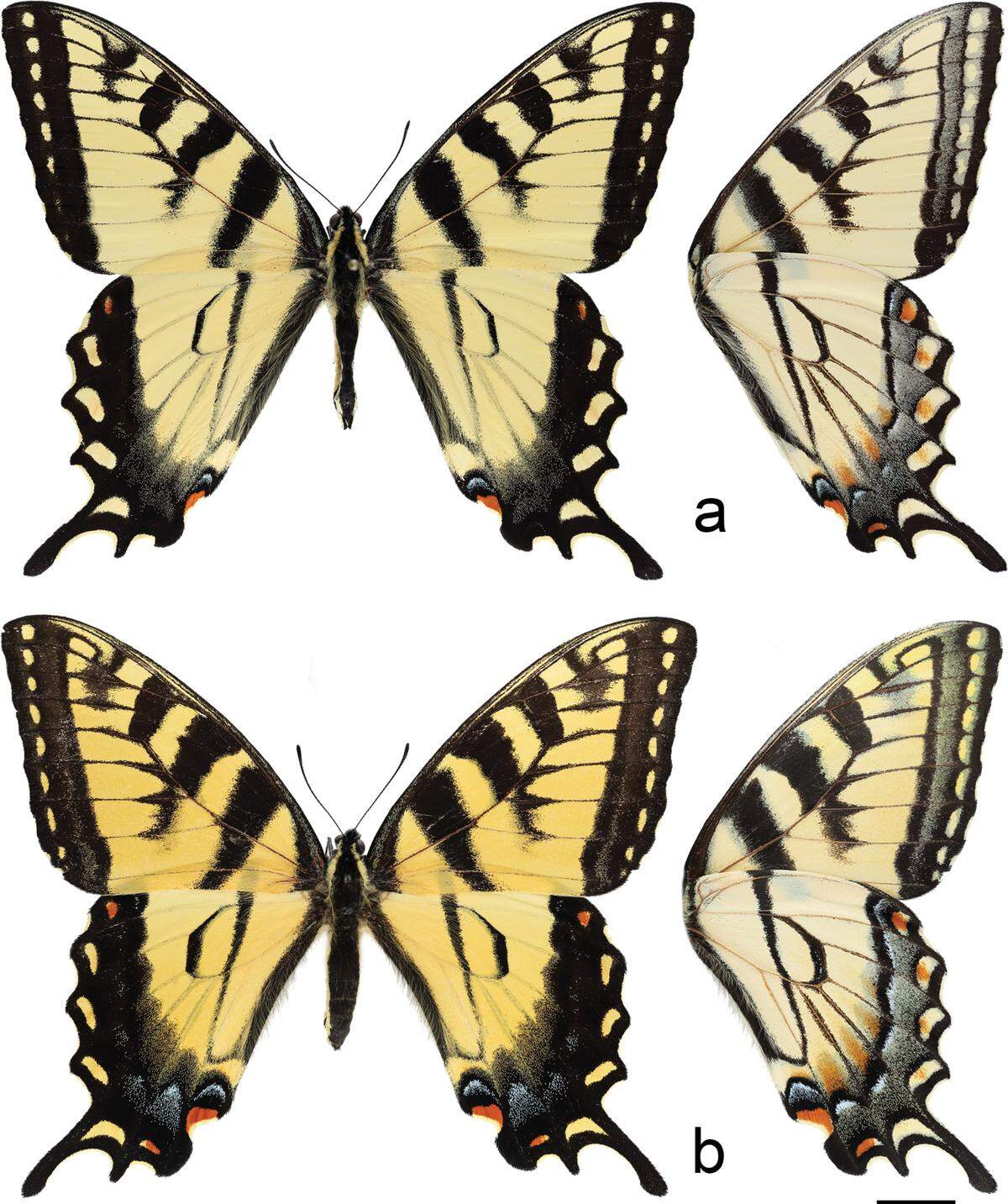
Males of the species have “mustard yellow” wings with black stripes, while females are more “light orange yellow” with the same pattern, according to the study.
The species in the pupal stage emerges and flies in late June to early July, with a peak in the first half of July, a timeline that researchers said is based on temperature.
“Since Papilio solstitius, like (related species), uses a range of unrelated host plants, it has a similarly broad habitat tolerance for a range of forest, forest edge and woodland habitats,” researchers said. “(The species) reaches its highest abundance in or near mesic or moist woodlands, particularly ash-dominated swamps, where ash is common.”
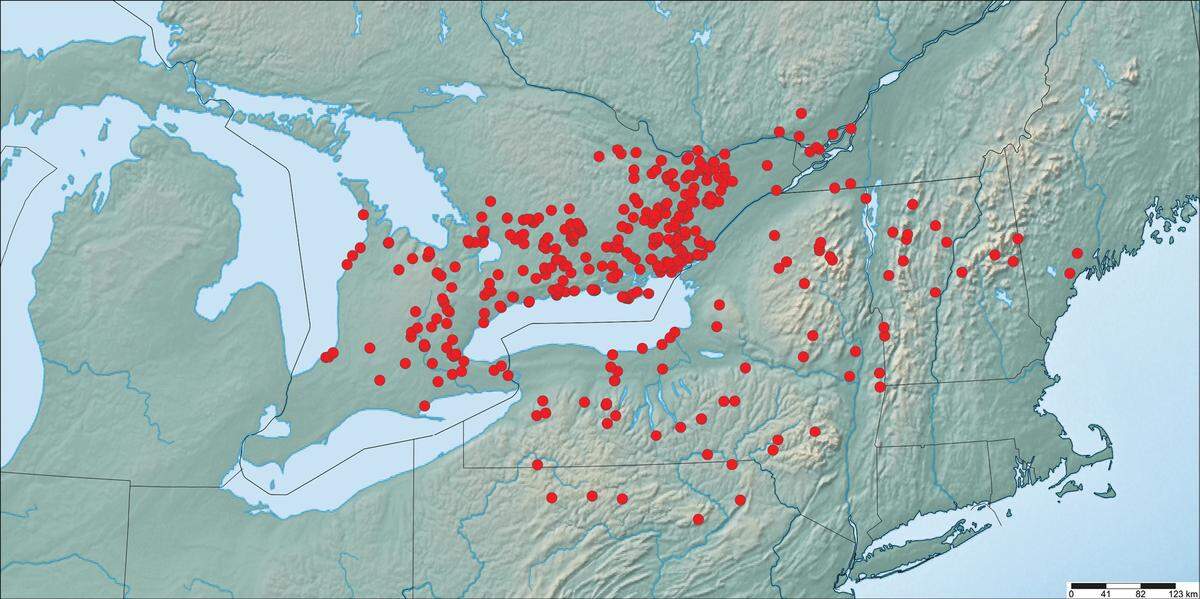
The midsummer tiger swallowtail’s total range is about 670,000 square miles, from southcentral Ontario into north and central New York, and into Vermont, New Hampshire and Pennsylvania, according to the study.
To the west, the butterfly reaches as far as the “eastern shores of Lake Huron,” across the central Great Lake from Michigan. Researchers said there is no evidence that this species crosses the lake.
The research team includes Charles J. DeRoller, Xi Wang, Julian R. Dupuis and B. Christian Schmidt.
This story was originally published February 18, 2025 at 1:47 PM with the headline "‘Cryptic’ striped creature found on shrubs around eastern Great Lakes. See new species."