
Boycotts on vodka and other items won’t hurt Russia, but they still matter, experts say
In response to the country’s invasion of Ukraine, bars and liquor stores are dumping Russian-made vodka, and some elected officials are calling for all Russian products of any kind to be ripped from store shelves.
But can boycotts on Russian brands really hurt the country? Probably not, economic experts say.
Russia isn’t one of America’s closest trading partners, according to data from the Office of the United States Trade Representative.
The U.S. imported $22.3 billion in Russian goods in 2019, over half of which was “mineral fuels” like oil and gas.
Russian vodka isn’t even close to ranking as a top import, accounting for less than 1% of vodka consumed in the U.S., CNN reported.
Really, there just aren’t many Russian brands or products popular in the U.S., station WGHP reported.
Russia sells about $41 million worth of vodka to the U.S. every year, Paul Isely, an Economics Professor at Grand Valley State University, told TV station WZZM.
“That’s really small compared to the $1.7 trillion economy in Russia,” he said.
Ditching Russian products can put a squeeze on businesses and manufacturers, but that’s not likely to change Russia’s course with Ukraine, Isely told the outlet.
Oksana Markarova, Ukraine’s ambassador to the United States said that the U.S. and Canada spurning Russian vodka is “definitely not enough,” the Washington Post reported.
Markarova called on more businesses to speak out against Russia’s invasion and to take action, and for the U.S. to level more sanctions.
Boycotts on Russian liquor will be similarly ineffective for Canada, Henyrk Sternicuzek, retired professor of business at the University of New Brunswick, told CBC.
“From the economic perspective, it is not very meaningful,” Sternicuzek said.
A Polish immigrant who worked in Ukraine and Russia for years championing democratic reforms, he believes boycotts are still important, even if the financial consequences aren’t enough to make Moscow flinch, he told CBC.
“From a symbolic political dimension, it is a very important gesture that whatever we can do, we should do to send a message to Russian leadership that we disagree with what they are doing,” Sternicuzek said.
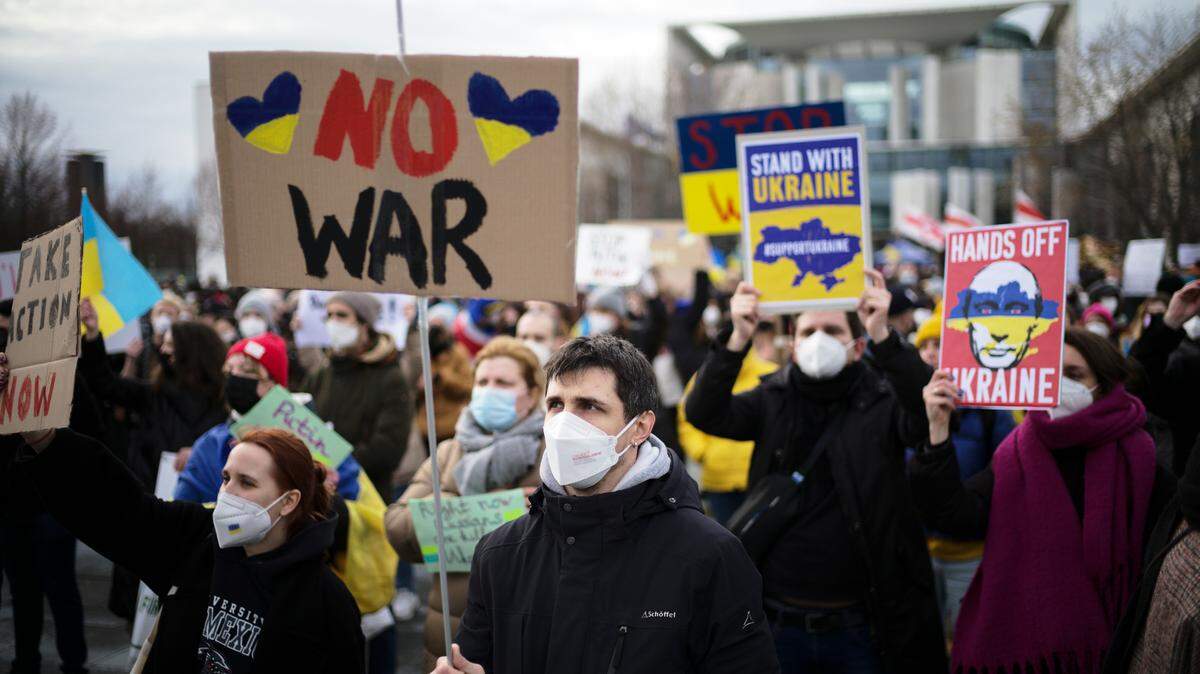
Boycotts are an opportunity to show solidarity with Ukraine, Isely said, WZZM reported.
“It can help show people across the world that the United States isn’t divided” in its support for Ukraine, he said.
This story was originally published February 27, 2022 at 3:54 PM with the headline "Boycotts on vodka and other items won’t hurt Russia, but they still matter, experts say."