Spy satellites found hundreds of Roman ruins, study says. See the declassified photos
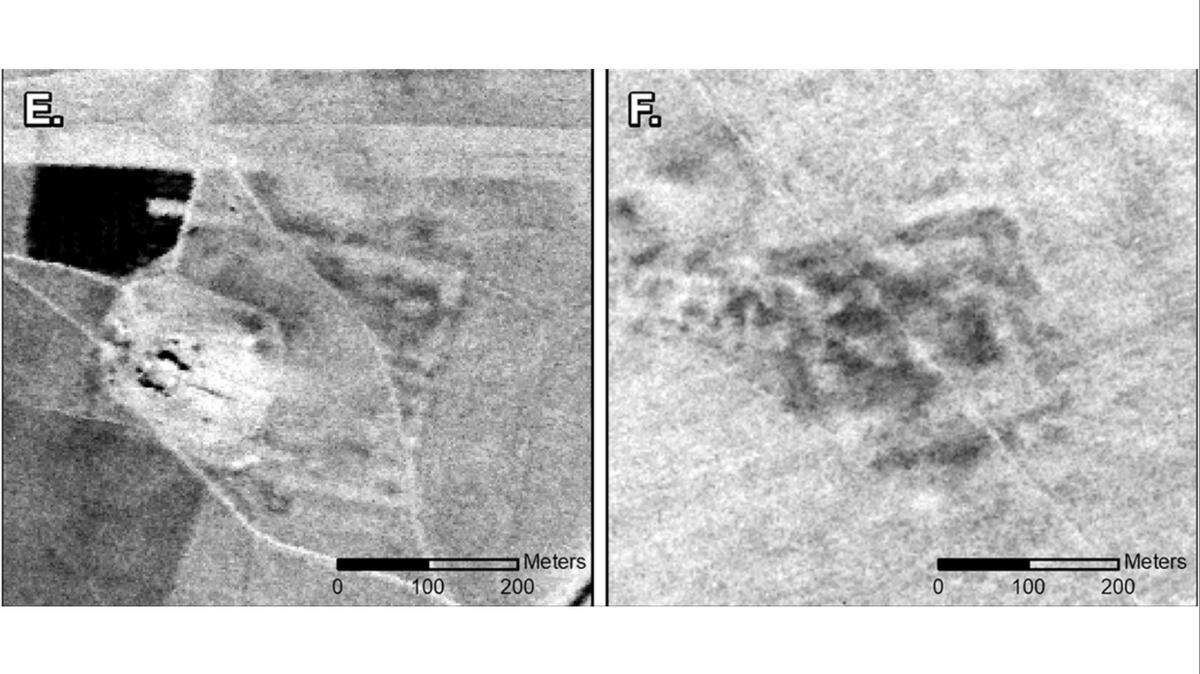
As the Cold War raged, U.S. spy satellites snapped photos of the rugged desert landscapes of Syria, Iraq and Turkey. In the process, the satellites documented hundreds of ancient Roman ruins.
For decades, these photos were classified, and the archaeological sites within were unknown. Not anymore.
At its peak, the ancient Roman empire stretched from modern-day Portugal across central Europe to Turkey and Iraq. Throughout this area and along its farthest borders, the Romans built countless settlements and fortifications.
In the 1920s, French priest Antoine Poidebard used “a biplane and a camera” to survey some of these Roman ruins across Syria, Iraq and Jordan, according to a study published Oct. 26 in the journal Antiquity. Poidebard identified 116 Roman forts roughly in a line and concluded that these ruins were “essentially functioning as a wall.”
Researchers wanted to test Poidebard’s conclusion and repeat his archaeological survey over a wider area using improved technology, the study said. To do this, they analyzed “declassified images from the CORONA and HEXAGON spy satellite programs.”
These photos were taken by U.S. satellites between 1960 and 1986 as “part of the world’s first spy satellite programs,” researchers said. The CORONA and HEXAGON program photos were declassified in 1995 and 2019, respectively.
In the photos, archaeologists located 396 “previously unidentified forts or fort-like archaeological sites” in Syria, Iraq and Turkey. Photos show some of the ancient ruins.
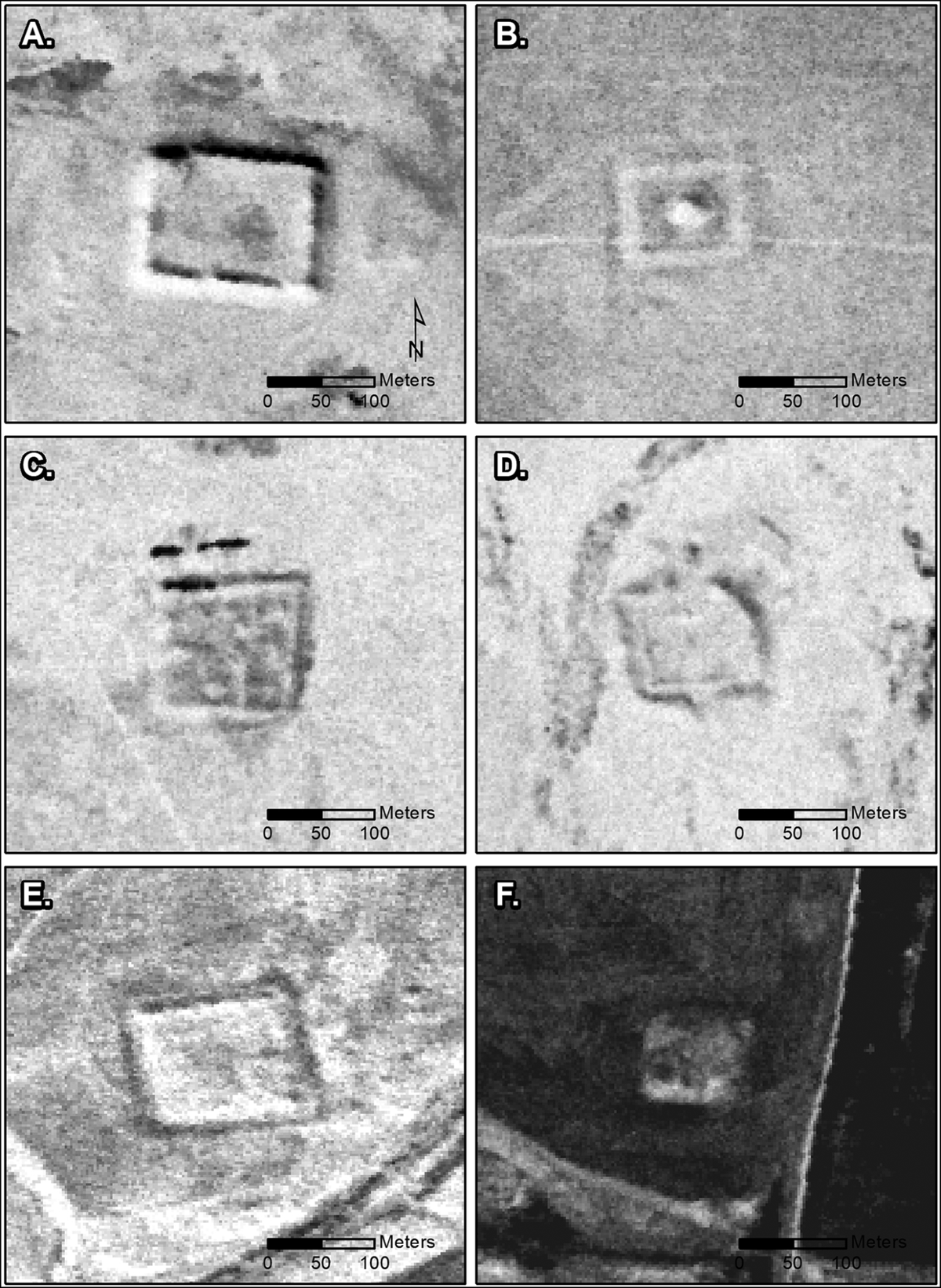
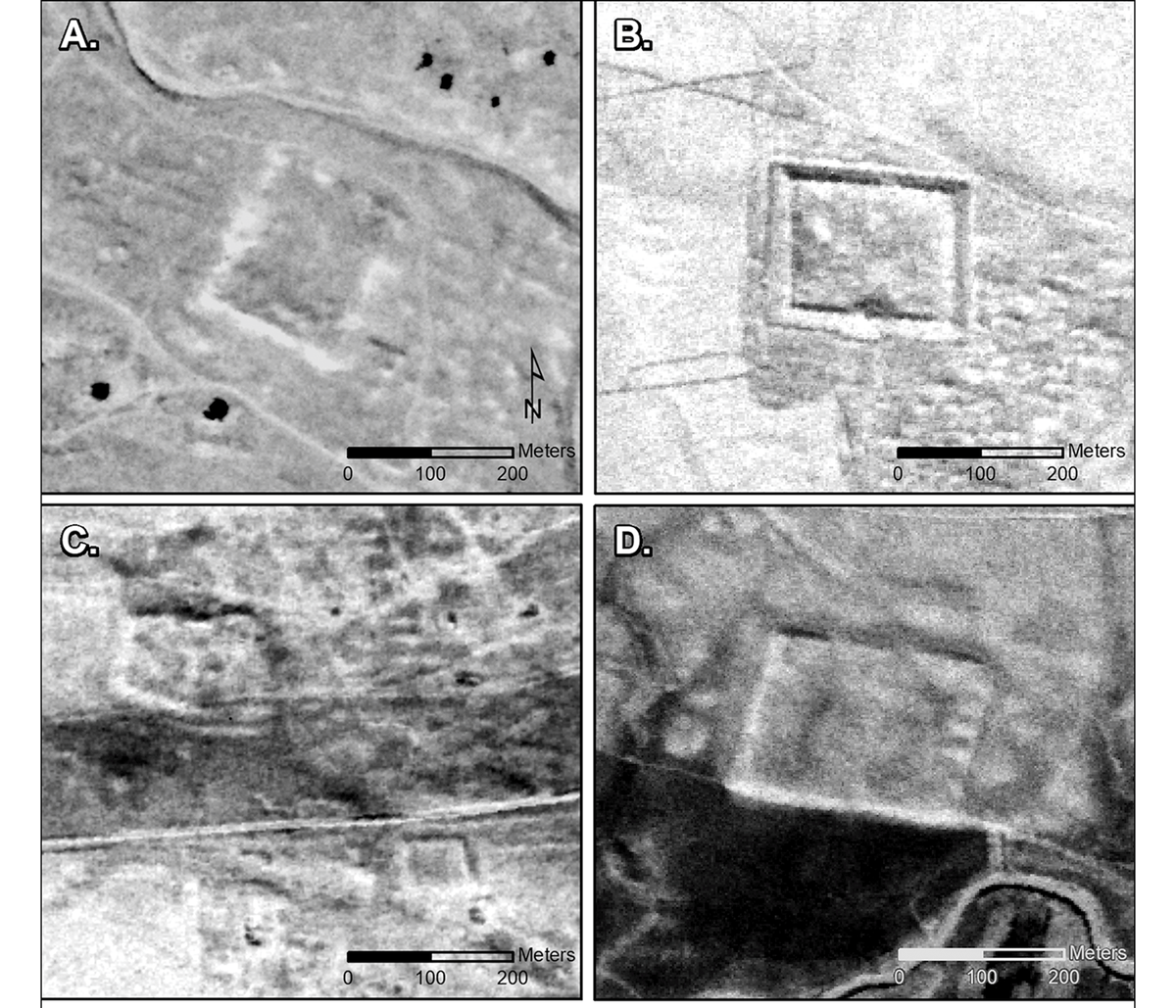
Most of these forts are square shaped, the study said and photos show. Some are larger, more complex structures with several buildings or a citadel.
The structures were identified as ancient Roman ruins by their “lower, eroded walls,” shadow patterns and “often isolated” locations “with little other evidence of ancient or modern settlement,” the study said.
Researchers mapped these newly identified forts and found a different pattern than Poidebard did nearly a hundred years ago. Side-by-side maps show the thin line of forts located by Poidebard and the broad array of forts located by researchers.
The “enormous” distribution of ancient Roman ruins suggests “they did not function as a border wall,” like Poidebard thought, but “played a role in facilitating the movement of people and goods across the Syrian steppe,” researchers said.
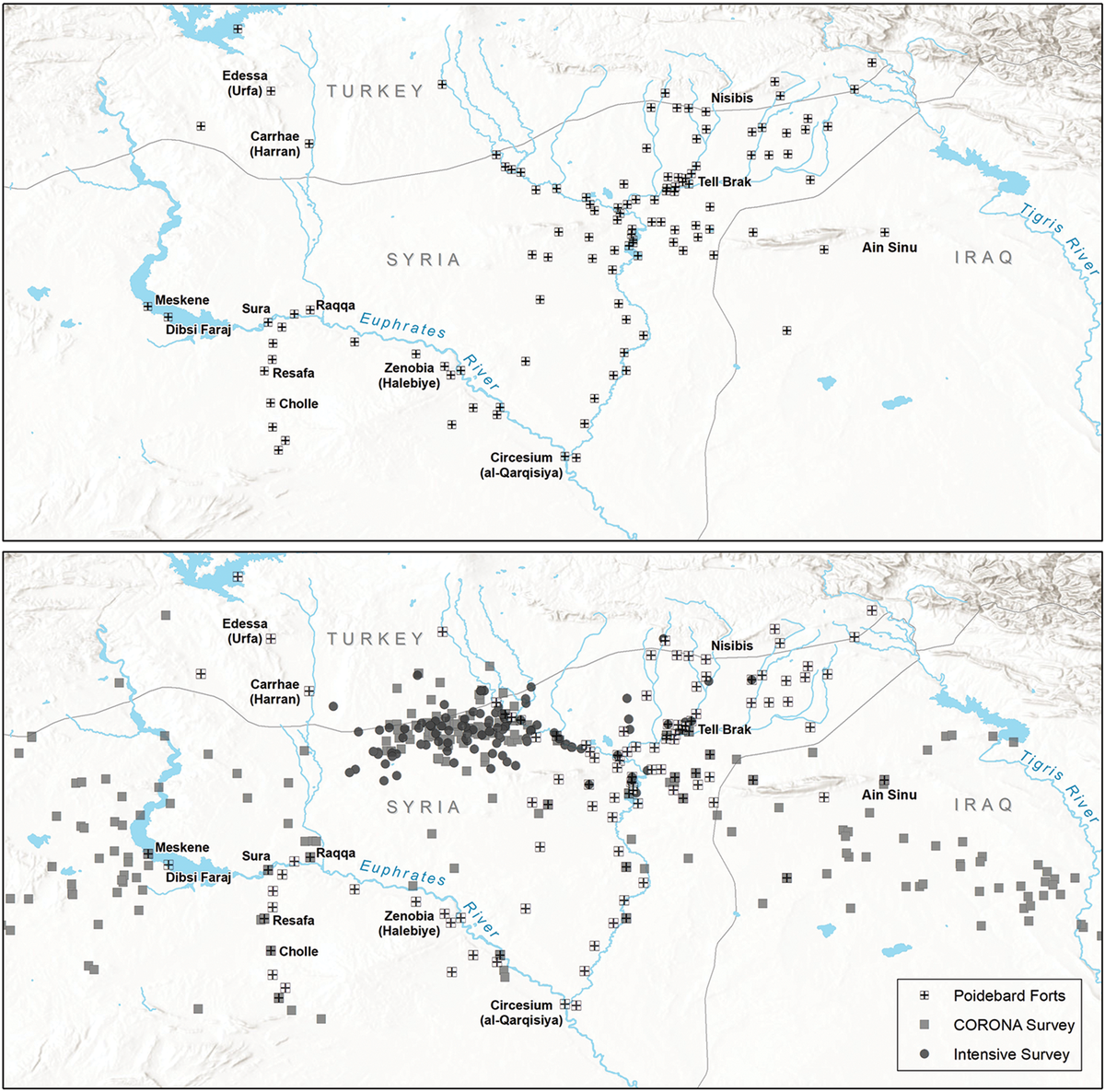
The “forts supported a system of caravan-based interregional trade, communication and military transport,” the study said. The sites can be viewed “as enabling safe and secure transit across the landscape, offering water to camels and livestock, and providing a place for weary travelers to eat, drink and sleep.”
Researchers noted that their findings are open to “preservation bias” because the survey only includes archaeological sites that survived to modern times.
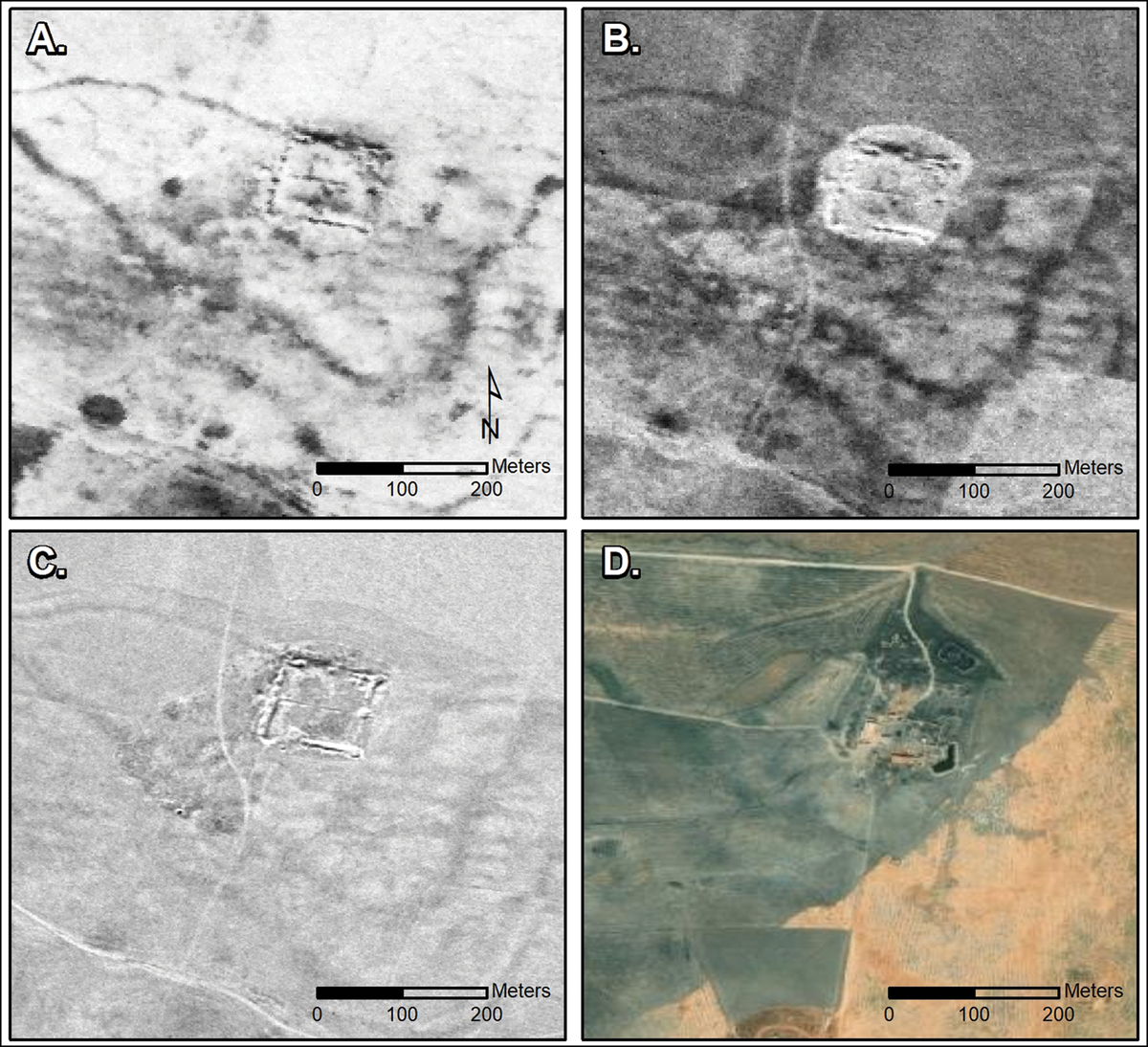
A set of photos demonstrates how ancient ruins look different over time due to deterioration and changing surroundings. The photos show a site in Syria, the Castellum at Tell Brak, at four different times between 1967 and modern times.
The research team included Jesse Casana, David Goodman and Carolin Ferwerda.
This story was originally published October 27, 2023 at 9:31 AM with the headline "Spy satellites found hundreds of Roman ruins, study says. See the declassified photos."