Fuzzy red creature was thought infertile at Canada zoo. Then came two big surprises
After playing her role as a mother to help her declining species, a nearly 11-year-old red panda was ready for the next stage of life.
Sakura, as she’s named, had an unsuccessful breeding season in 2023, according to a June 17 news release from the Toronto Zoo, and wildlife experts believed her fertility had waned, leaving her pregnancy days behind her.
Sakura was headed to “retirement,” the zoo said, but before she could be relocated to the Canada zoo, she spent a few weeks in the same enclosure with Arun, a past paramour.
“It seems they shared a passionate goodbye,” the zoo said.
A month after Sakura’s arrival in Toronto, the wildlife care team ran diagnostic tests on her poop to measure her hormone levels, taking extra precaution since she had been housed with a male, the zoo said.
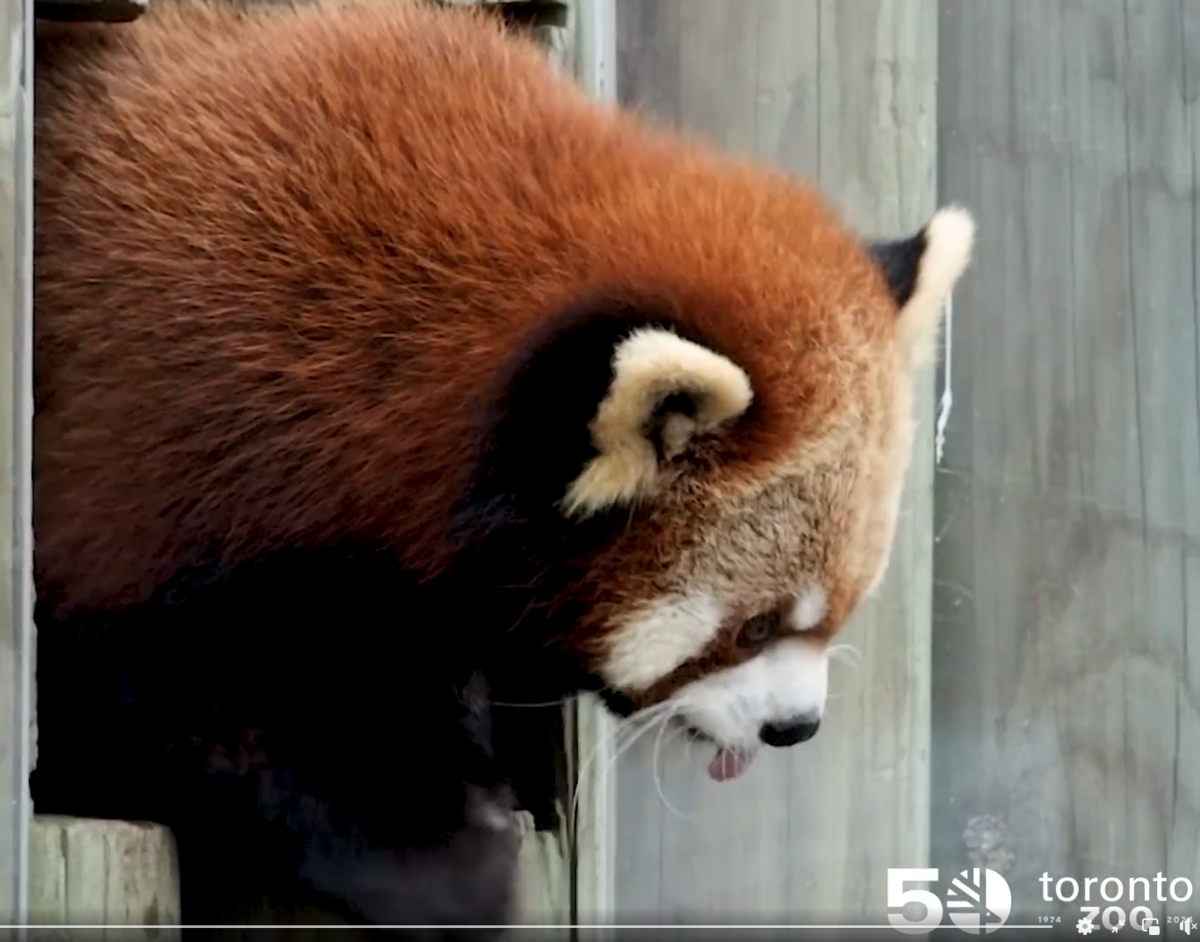
She had elevated levels of progesterone, a hormone that increases when mammals are pregnant.
“Pregnancy in red pandas is challenging to determine. After a successful breeding, a female’s body acts like she is pregnant (including physical, hormonal, and behavioral changes) whether or not she successfully conceived,” the zoo said. “The difficulties in diagnosing pregnancy vs. pseudopregnancy are compounded by delayed implantation, where a fertilized egg pauses before implanting into the uterus, remaining dormant until optimal body conditions are reached.”
An ultrasound would show whether or not cubs were growing inside, the zoo said, but it is usually only accurate close to a delivery date.
The wildlife team had to wait.
It wasn’t until June 4 that an ultrasound showed signs Sakura may be pregnant, the zoo said, and it was confirmed a week later. Sakura was going to be a mom again, and this time to twins.
“In recent weeks, Sakura was observed nest building and spending more time in her nest boxes — a preliminary sign of birth preparation,” the zoo said.
On June 13, Sakura gave birth to two cubs.
Red pandas were actually the first to earn the “panda” name, according to the Memphis Zoo, before the Giant Panda, though both species share a diet of bamboo and live in forest habitats. The smaller animals, just 8 to 17 pounds, are more closely related to raccoons than their large black and white namesakes, according to wildlife officials.
“Red pandas are a difficult-to-breed species due to pre- and post-partum challenges with offspring survival,” the zoo said. “Recent scientific studies have shown that as few as 40% of cubs reach their first birthday.”
It’s the same in the wild, the zoo said, contributing to red species status as endangered. The population has declined as much as 50% in the past two decades, leaving fewer than 10,000 red pandas in the wild.
“During this fragile developmental stage, Sakura and her cubs will not be visible in the red panda habitat,” the zoo said, but the veterinary team is watching their progress closely through cameras placed in the nest boxes.
This story was originally published June 17, 2024 at 12:17 PM with the headline "Fuzzy red creature was thought infertile at Canada zoo. Then came two big surprises."