
Sea creature — with stunning weapon — found in crevices off Brazil. It’s a new species
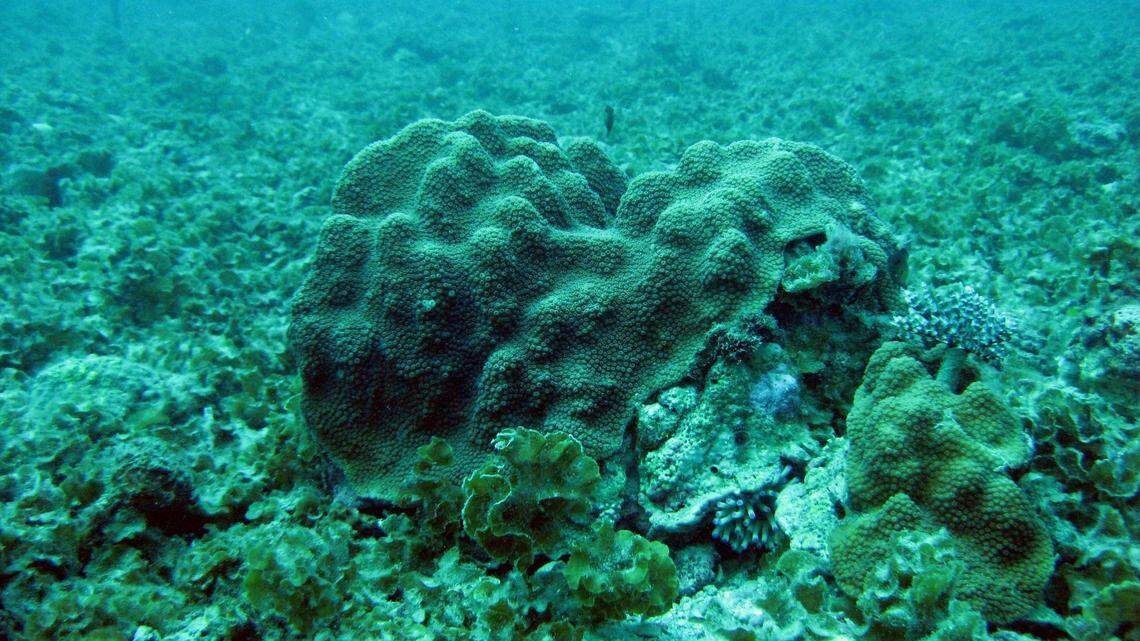
Nature is loud.
From birds singing in the Amazon to lions roaring in the Serengeti, animals use their voices to attract mates, defend their territory and coordinate migrations.
Below the surface of the water, the sound doesn’t stop. Whales sing songs that cross thousands of miles of open ocean, dolphins click as they leap from the waves, and popping noises emanate from coral reefs.
One of the loudest sounds comes from a tiny crustacean — snapping shrimp.
Usually just a few centimeters long, snapping shrimp clench their abnormally large claw, creating an air bubble underwater that then pops, releasing a sound as high as 210 decibels, according to the National Oceanic and Atmospheric Administration. That level makes them one of the loudest noise producers in the ocean.
Now, a researcher in Brazil has discovered a new species of snapping shrimp hidden in the crevices of dead coral.
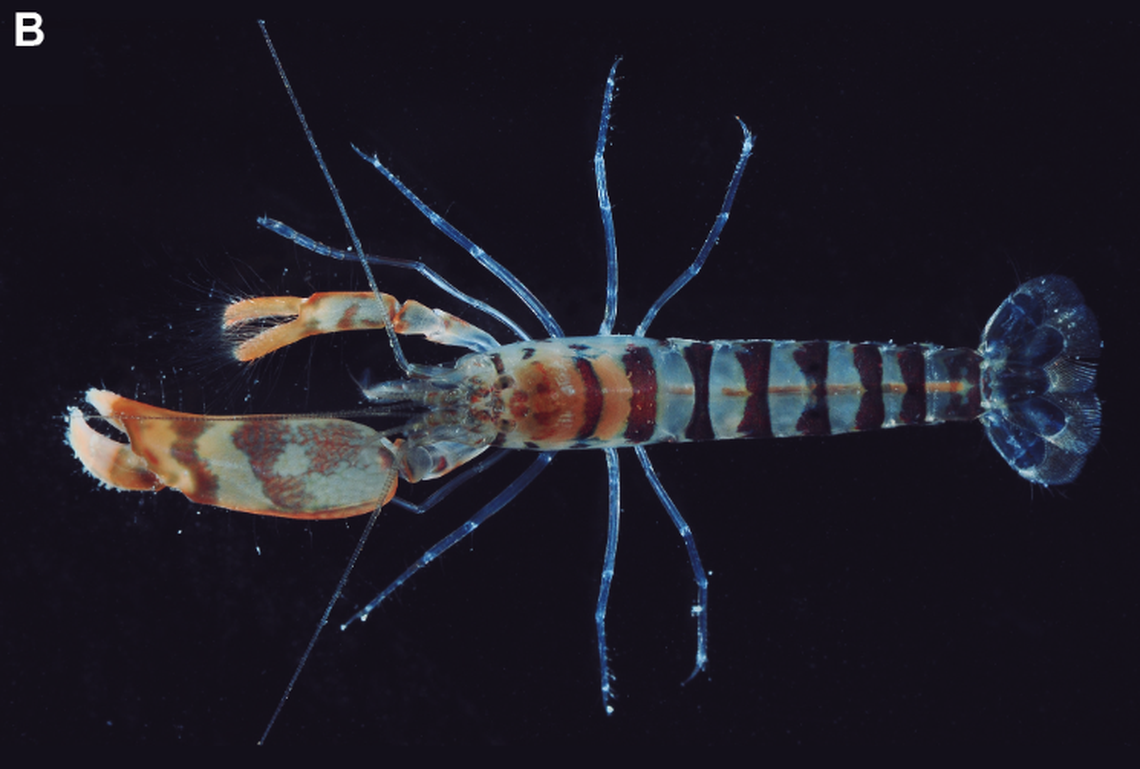
Alpheus schubarti, less than half a centimeter long, was identified from five specimens collected off the coast of Maceió, Alagoas, Brazil, according to a study published July 2 in the journal Papéis Avulsos de Zoologia.
The shrimp were “extracted from crevices in fossilized coral rocks or large pieces of coral rubble, from the low tide mark to about (6.5 feet),” according to the study.
The species has a translucent white body lined with thick, reddish-brown bands of color, the researcher said.
The new species has a “subtriangular” rostrum, or the beak structure on the front of its head, the researcher said, a feature that makes it unique among other species. The beak protrudes “between the eyes,” and its eyes are “well developed” with “large, normally pigmented corneas,” according to the study.
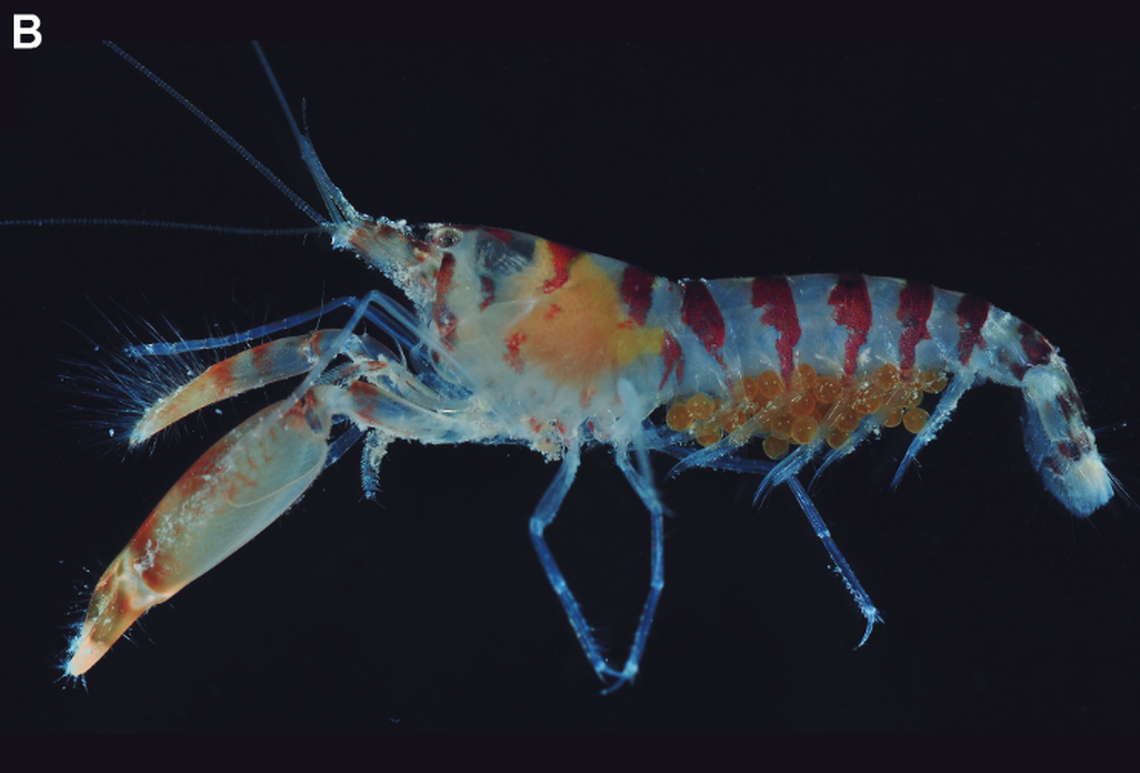
One claw appears monstrous compared to the other, photos show, and the shrimp’s legs stick far out from its body.
“A snapping shrimp will quickly close its claw to produce a loud ‘snap’ as a way to stun its prey, deter predators and communicate with others,” according to the University of Rhode Island. “The combined sound of large aggregations or snapping shrimp is so prevalent in certain areas of the world that it interferes with underwater communications and research.”
Researchers from the Centre for Marine Science and Technology with Curtin University in Australia recorded thousands of snapping shrimp off the coast of Western Australia and posted the recording to social media in 2016.
“What sounds like sizzling sausages in a pan are actually tiny shrimp,” the researchers said in the caption.
The new species was discovered in Alagoas, off the northeastern coast of Brazil in the western Atlantic Ocean.
This story was originally published July 17, 2024 at 1:54 PM with the headline "Sea creature — with stunning weapon — found in crevices off Brazil. It’s a new species."
