
Woman’s potentially deadly infection came from sick household dog, Japan doctors say
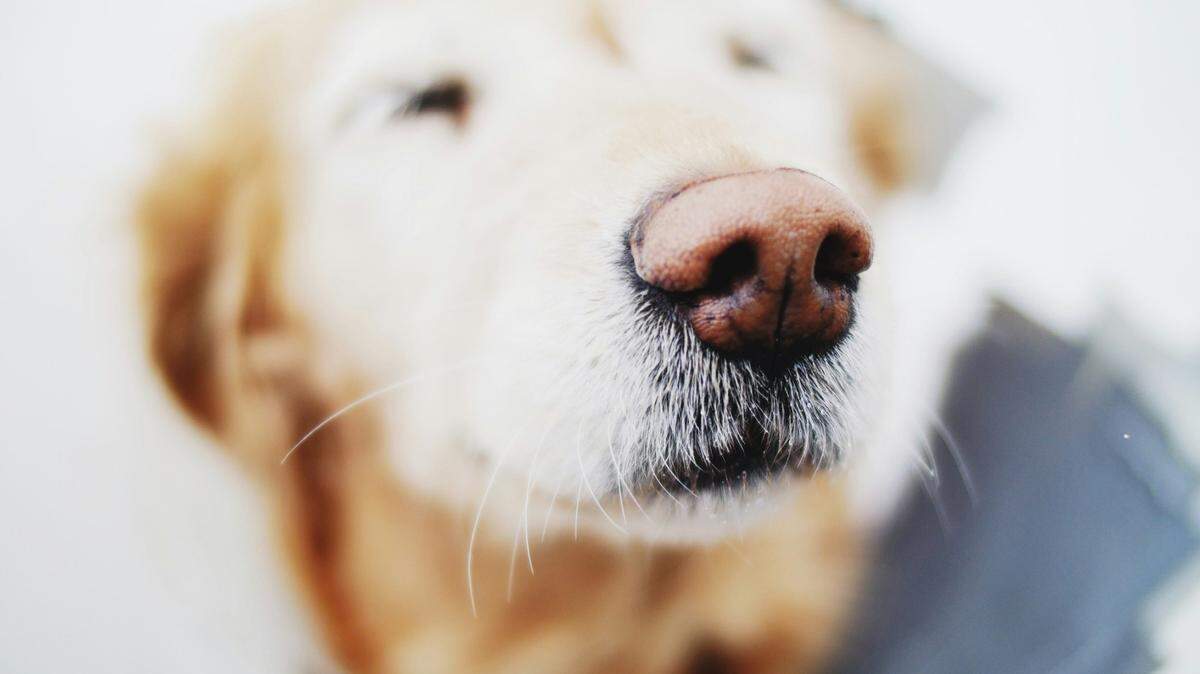
A woman is recovering after she was infected with a potentially deadly bacteria spread by her pet dog, Japan doctors said.
The woman, in her 50s, took her household dog to the veterinarian when it started vomiting and had diarrhea accompanied by a fever, according to a case report published Aug. 5 in the journal BMJ Case Reports.
Based on the symptoms, the veterinarian believed the dog was suffering from infectious enterocolitis, a type of inflammation in the digestive tract. Many things can cause the inflammation — bacteria, viruses, new medication, new food, stress, or something in the environment — so the veterinarian prescribed an antimicrobial medication to see if the symptoms would stop, according to the report.
“Throughout the treatment period, (the dog’s owner) handled the dog’s vomit and urine without any protective equipment,” doctors said.
Three weeks later, the woman’s symptoms began.
The Case
The woman arrived in the emergency room after experiencing seven days of fever and diarrhea, according to the report.
She had a history of vitamin B1 deficiency and was a regular drinker, doctors said, but she didn’t have anything else in her medical history to cause alarm.
Her fever was nearing 103 degrees Fahrenheit, and she told doctors there was a “grasping pain” in her leg muscles, and her lower legs were covered with petechiae, or small bumps and red spots caused by bleeding under the skin, according to the report.
The woman told doctors she didn’t have any contact with animals other than her dog, which had recently recovered from a digestive issue.
She was sent for a body CT and chest X-ray that revealed “bilateral ground glass opacification,” or decreased lung capacity that appears as white spots in the CT scan, doctors said.
Tests for the flu, COVID-19 and two types of pneumonia came back negative, so doctors asked more about the woman’s environmental factors at home, according to the report.
“Rat feces were found in a storage shed that was managed by her husband. Her husband owned rice fields. However, she had never had access to the rice fields or the storage shed,” doctors said. “The house had been built around 40 years previously, and there had never previously (seen) any signs or rat or rat feces.”
Then, doctors directed their attention to her dog.
The woman provided a urine sample that was tested for leptospirosis, a zoonotic bacterial infection. It came back positive, and after coordinating a blood test with the dog’s veterinarian, the dog also tested positive for the bacteria that causes the infection, according to the report.
The Diagnosis
“Leptospirosis is a disease that can affect people and animals, including your pets and farm animals, as well as wild animals like wild pigs and marine mammals. The bacteria that causes leptospirosis are spread through the urine (pee) of infected animals. The bacteria can contaminate water or soil, where it can survive for weeks or months,” according to the Centers for Disease Control and Prevention.
Any kind of dog can be susceptible to leptospirosis, the CDC says, no matter where the dog lives.
The bacteria lives best in moist environments or in water, and can be found in lakes and streams or even puddles and mud, according to the Washington State Department of Health. In some cases, leptospirosis-causing bacteria could even be in a fenced yard, brought in by the surrounding wildlife.
In the woman’s case, doctors believe the bacteria may have been brought into the home on the bottom of her husband’s shoes when he worked in the shed or the rice fields, where it then infected their dog. When the woman was helping her dog with the symptoms, she was infected, according to the case report.
“Leptospirosis is a neglected zoonotic disease that significantly affects the population in rural and tropical areas with humid climates,” doctors said. “It is estimated that there are approximately 1 million cases and 58,900 deaths annually due to leptospirosis,” and just shy of 7% of cases are fatal.
Tropical countries account for 73% of these cases, according to the report, but that doesn’t mean that the bacteria isn’t present in other climates.
In the United States, vaccines are available — including for dogs and cats — that can prevent a leptospirosis infection, the CDC says.
Many veterinarians and boarding or grooming facilities require the vaccine to prevent the bacteria spreading to staff or other animals.
Infections, particularly in dogs, can also be prevented by avoiding places with many unknown animals. Veterinary health experts warn that dog parks may act as petri dishes for the bacteria to spread, either through stagnant water or from infected water bowls, according to the Schwarzman Animal Medical Center.
The case report was authored by Haruki Nakashiro, Kensuke Umakoshi, Koichi Tanaka and Naoto Tachibana from the emergency department of Ehime Prefectural Central Hospital in Matsuyama, on the Shikoku island in southern Japan.
This story was originally published September 27, 2024 at 5:39 PM with the headline "Woman’s potentially deadly infection came from sick household dog, Japan doctors say."
