Wriggly creatures — covered in eyes — found as new species in Gulf of Mexico. See them

On rocky reefs in the southern Gulf of Mexico, a diver or snorkeler overhead might think a small piece of the reef is moving.
It could easily be mistaken for a reflection from the ocean’s surface or a trick of the light, but upon closer inspection, a small, mostly translucent creature is wriggling across the reef.
The oval-shaped body belongs to a marine flatworm, a group of invertebrates that can range in color from see-through to neon and seemingly glide along the bottom with hairlike protrusions all over their bodies.
Now, two new species have been discovered, and the findings were published Dec. 13 in the peer-reviewed journal ZooKeys.
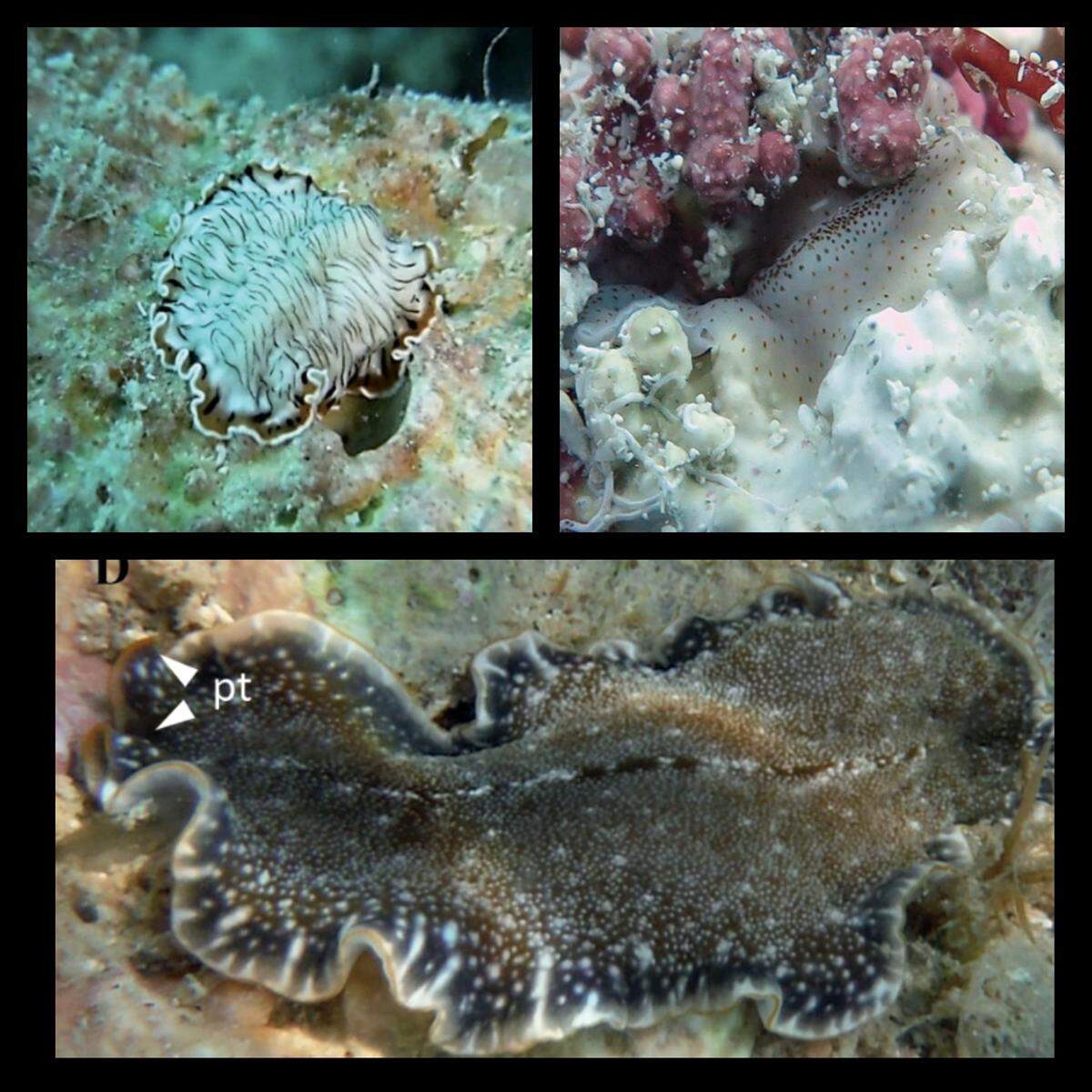
“Polyclads, marine flatworms, have not received much attention from researchers in Mexico,” according to the study. “There are several reasons for the difficulty of observing these small organisms, including their ability to mimic their surroundings.”
Hoping to learn more, researchers put on their scuba gear and snorkels and hit the water north of the Yucatán Peninsula in eastern Mexico.
They identified 27 species, but two looked like none they had seen before.
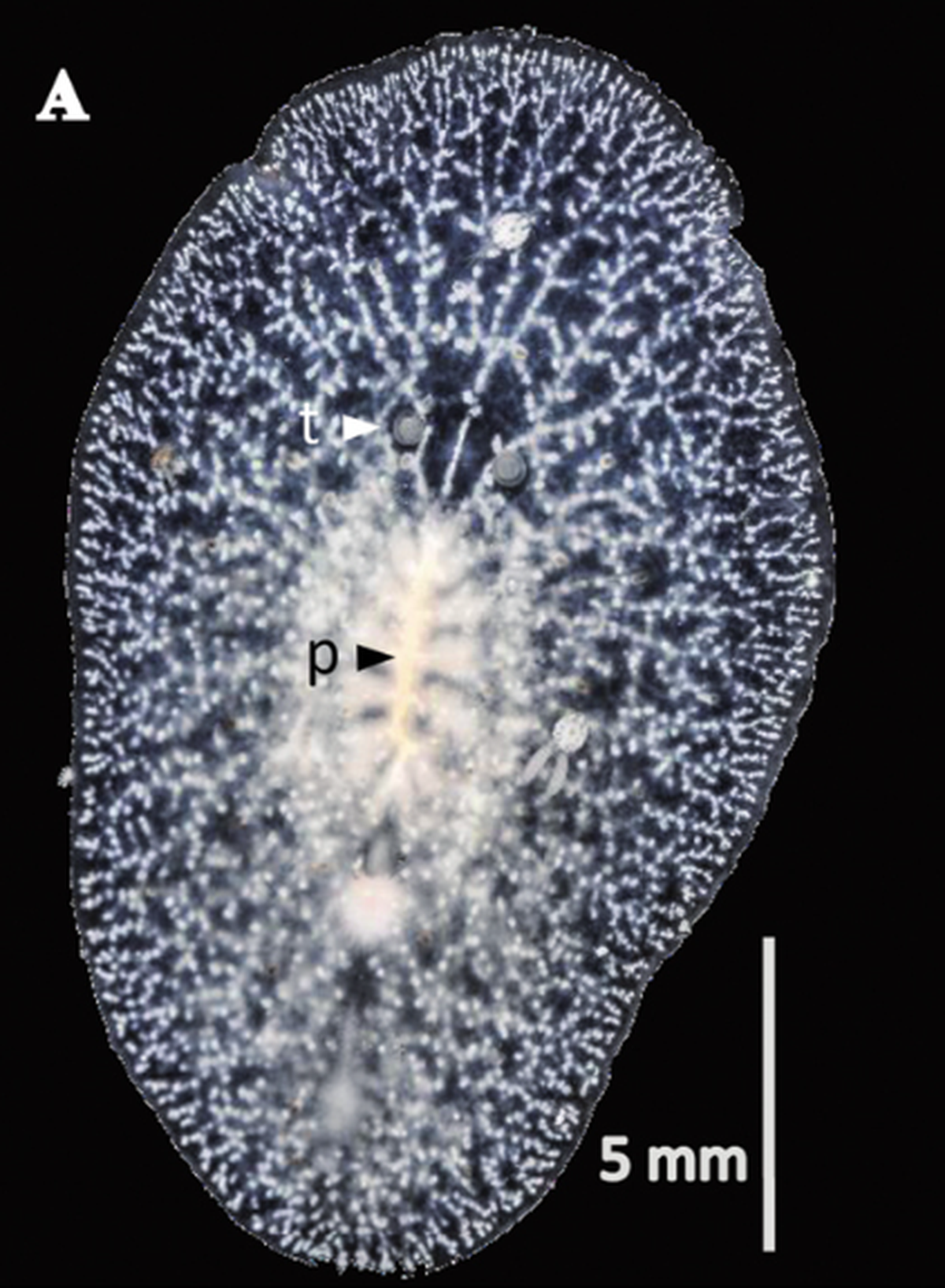
Emprosthopharynx hartei, named after conservationist Edward H. Harte, has a solid body with a “translucent background,” according to the study.
Its “elliptical” body is about 0.4 inches long and 0.3 inches wide, bordered by a white dotted line, researchers said.
The animal’s tentacles are “rounded and prominent,” and are covered with eyes. As many as 30 eyes adorn each tentacle, with two additional 20-eye clusters near the tentacles.
Because of its mostly translucent body, white intestinal branches create a network from the center outward, according to the study.
This is also the first report of a Emprosthopharynx species on the Atlantic coast of the Americas, researchers said.
E. hartei looks similar to the other new species, Stylochoplana sisalensis.
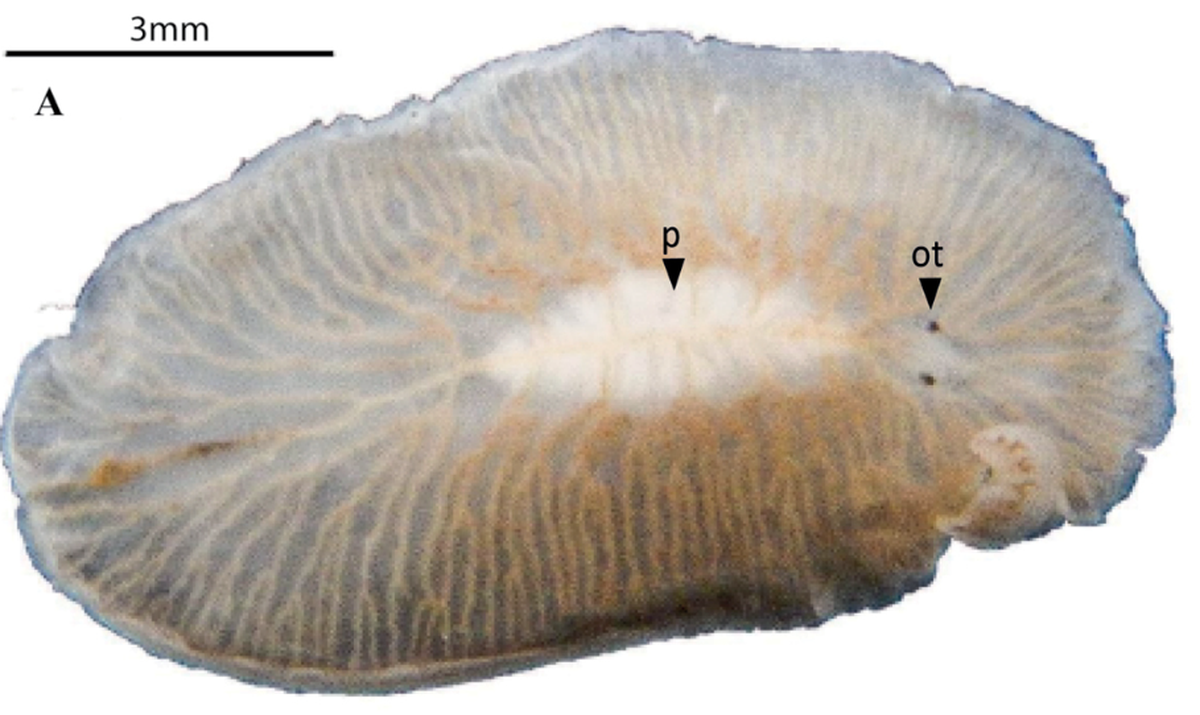
S. sisalnesis’ oval body is about the same size, according to the study, but took on a pale brown coloration because the contents of its last meal could be seen through the translucent outer layer.
This species also has the visible intestinal branches but a different structure of the dozens of eyes found on marine flatworms, researchers said.
The animal has “two compact clusters (of) tentacular eyes (12-17 eyes per cluster), two scattered clusters of cerebral eyes (15-20 eyes per cluster, distributed … in front of the tentacular eyes) and some marginal eyes in the frontal region,” according to the study.
This species was named after the town where the research center is located in Sisal, Mexico, researchers said.
“This work highlights the rich diversity of polycladida along the Atlantic coastline of Mexico. It also emphasizes the importance of exploring and documenting under-researched species, particularly in regions home to abundant fauna,” according to the study.
The new species were found in the southern Gulf of Mexico, north of the Yucatán Peninsula.
The research team includes Daniel Cuadrado, Alejandro Hernández-Gonzalez, Carolina Noreña and Nuno Simões.
This story was originally published December 20, 2024 at 5:49 PM with the headline "Wriggly creatures — covered in eyes — found as new species in Gulf of Mexico. See them."