Ancient dog penis bone — stained red for Roman fertility ritual — found in UK quarry
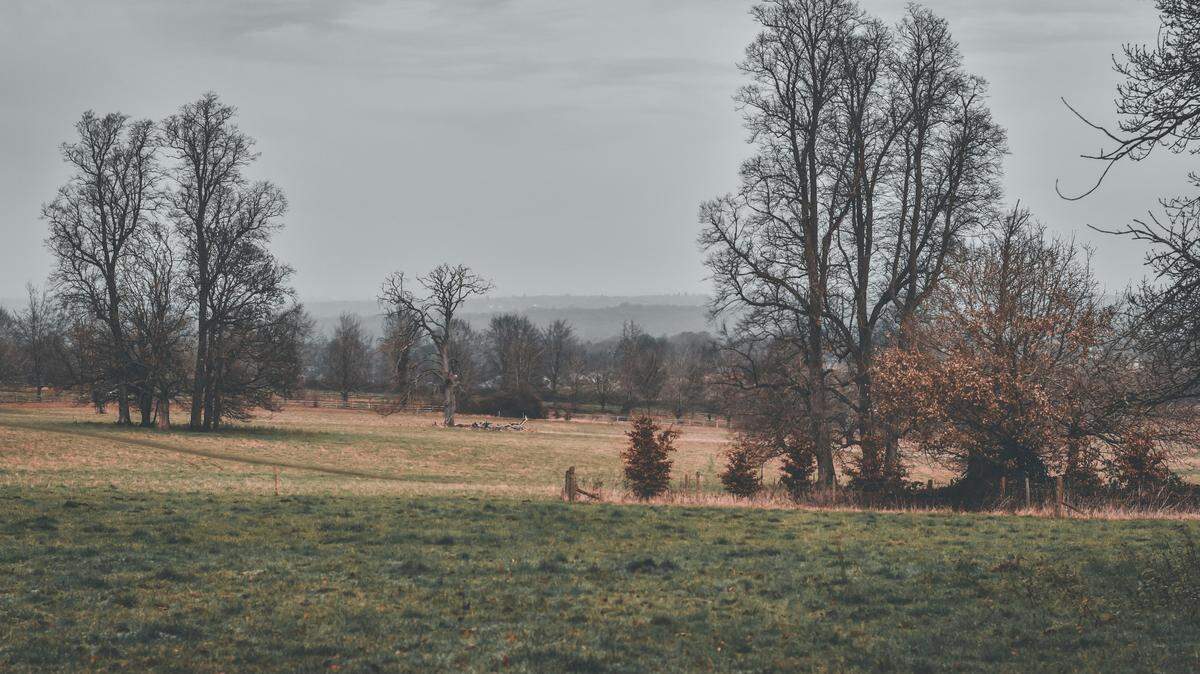
Ahead of a development project at the Nescot College Former Animal Husbandry Center in 2015, British archaeologists discovered ancient quarry pits.
The pits were used to extract chalk and flint during the Roman era in England during the first century A.D. and were later backfilled.
One of the pits was filled with both human and animal bones — and now, researchers believe one of these pieces may be a first-of-its-kind ritualistic stained dog penis bone, according to a Dec. 25 study published in the peer-reviewed Oxford Journal of Archaeology.
Ellen Green, a postgraduate researcher with the University of Reading, analyzed “Quarry 1” from the Nescot site and found “it contained one of the largest assemblages of human and animal bone ever recorded from a single Romano-British feature,” according to the study.
It is hard to tell exactly when the pit was first dug, Green wrote, but a coin found in the deepest phase of the pit, phase 1, was dated to the year 77, suggesting that is when backfilling the pit began, making it more than 2,000 years old.
“The Nescot shaft is unusual in the scale of deposition, with a bone assemblage of around 11,400 identifiable fragments representing a minimum of 282 animals and 21 humans,” Green said. “... The shaft was open for a relatively short amount of time, roughly half a century based on the artifactual evidence, and each of the nine depositional events that comprised phase 1 and 2 must have been an impressive spectacle, given the number of animals involved.”
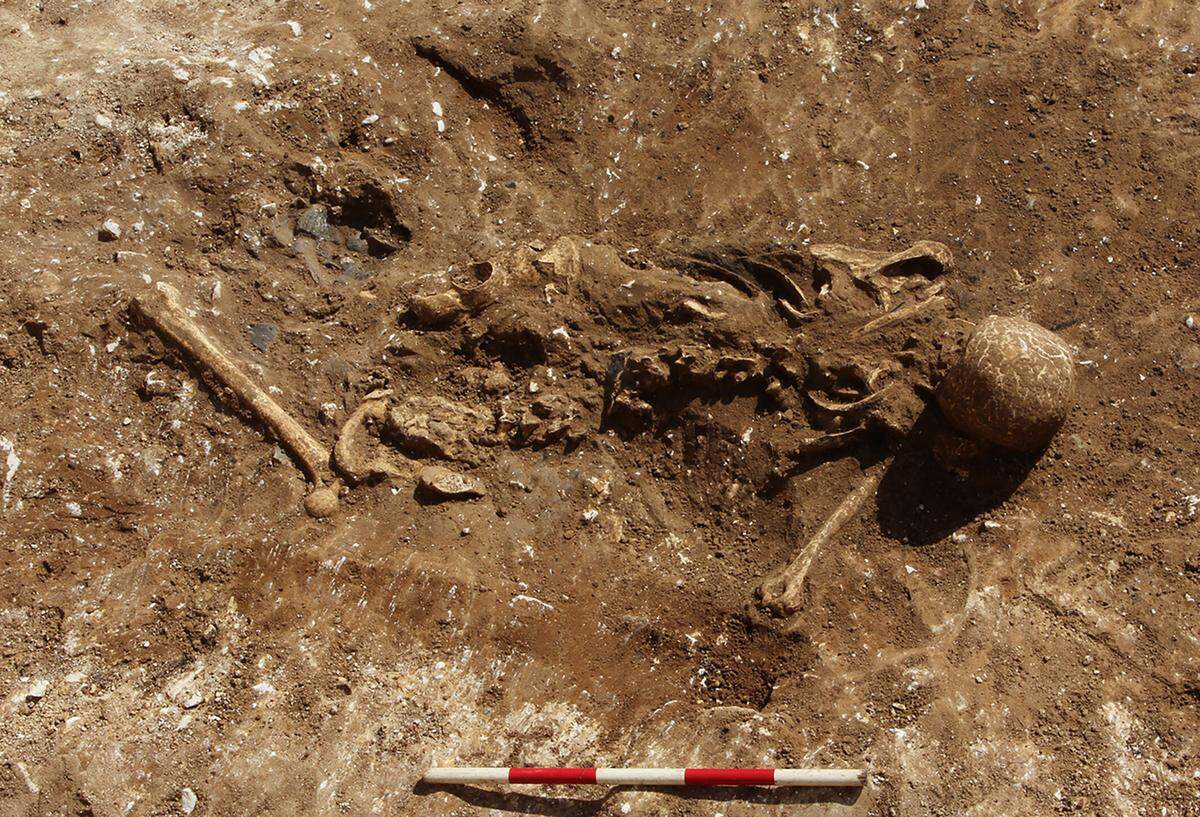
With so many remains found in one place, researchers agree this likely served as a sacrificial area in the Roman era, according to the study. There are no marks on the bones directly attributable to a cause of death, Green said, and the Romans typically killed their sacrifices by slitting their throats or through drowning. Both methods wouldn’t leave evidence on the bones themselves.
These sacrifices, Green believes, are linked to fertility rituals. Many of the sacrificed animals are young or newborns, including entire sacrificed puppy and pig litters and multiple horse foals.
“Horses and dogs both had associations with fertility and abundance during the Romano-British Period,” Green said. “There is a noted link between dogs, particularly small dogs like those recovered from Nesot, and mother goddesses within (the) Iron Age and Roman Empire. These figures are often shown with cornucopia and infants, as well as baskets of fruit, emphasizing their links to fertility both in agricultural and social spheres.”
Among the bones were six canine bacula, or the bone found in the penis of some male mammals. Finding these bones with dog remains is not unusual, considering some of the dogs were male, but one of the baculum was different.
The bone was the only one stained red, suggesting it had been manipulated or used separately from the other bones before the burial, according to the study.
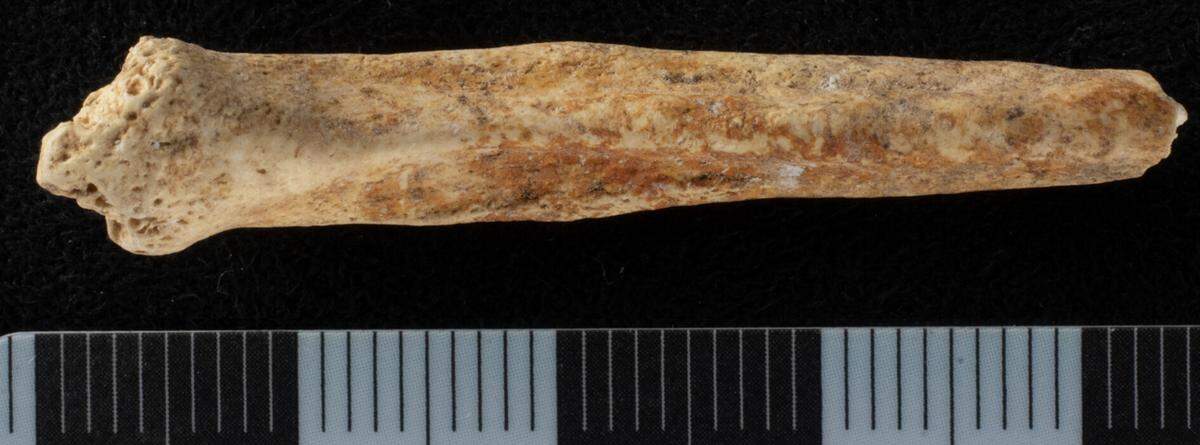
Red ochre, a naturally occurring clay, can stain bones, Green said, but there was none at the Nescot site, meaning the staining was intentional. The clay could have been put onto the bone directly, or the bone could have been held in a cloth already stained with red ochre.
“There are no other published examples of ochre-stained bones from Roman or Iron Age Britain, and given the context from which it was recovered, it seems probable that this bone represents some sort of ritual item,” Green said. “A penis bone has obvious connotations, particularly given the already strong association between dogs and fertility within Roman Britain.”
Because of the significant number of young animals, researchers can also glean the seasonality of the burials, again suggesting the remains were sacrificed.
“While it is impossible to know for sure the reasons behind the deposition of (roughly) 300 humans and animals within the disused quarry shaft over approximately half a century, the evidence does support a link to ideas of abundance, new life and the agricultural cycle,” Green wrote. “‘Why’ will always be the most difficult question for archaeology.”
The Nescot site is in Surrey in southeastern England.
This story was originally published January 8, 2025 at 1:06 PM with the headline "Ancient dog penis bone — stained red for Roman fertility ritual — found in UK quarry."