‘Routine excavation’ takes a turn when ‘rare’ ancient Roman artifact emerges
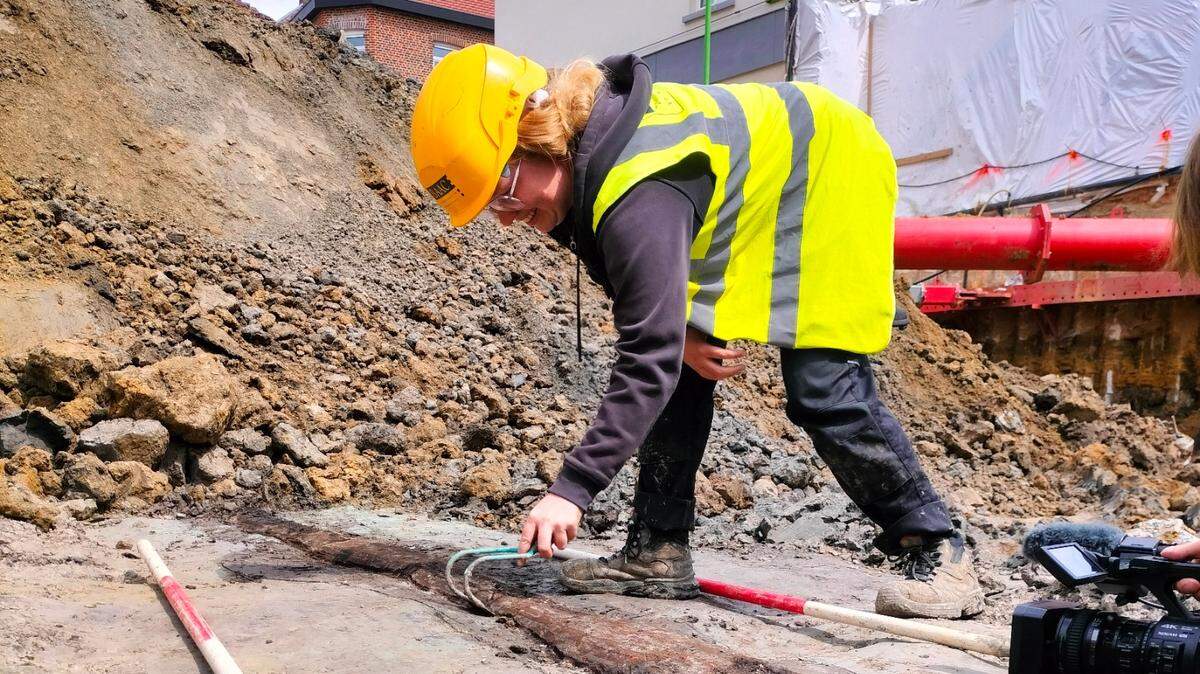
Digging into the damp, marshy soil of central Belgium, archaeologists went about their typical work. The “routine excavation” suddenly took a turn when a “rare” ancient Roman artifact emerged — and left the team stunned.
Archaeologists began excavating a plot of land in downtown Leuven ahead of the construction of a student residence, the City of Leuven said in a May 7 news release. Previous work in the area had uncovered small ancient Roman artifacts, such as pottery pieces, so the team expected to find at least something.
But what the archaeologists uncovered shocked them.
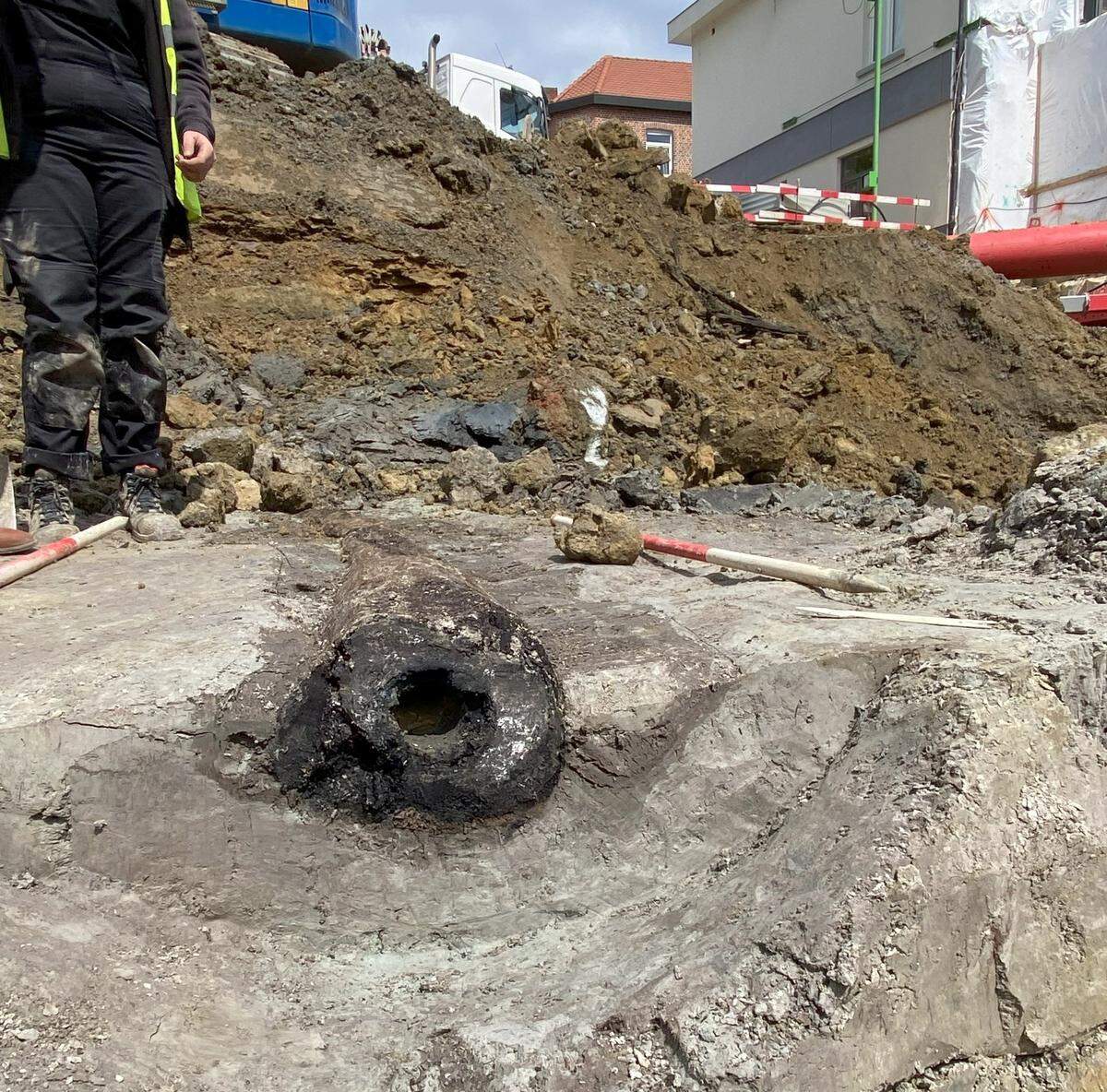
The team unearthed a section of wooden water pipe dating back at least 1,700 years to ancient Roman times, officials said. Photos show the fragile artifacts.
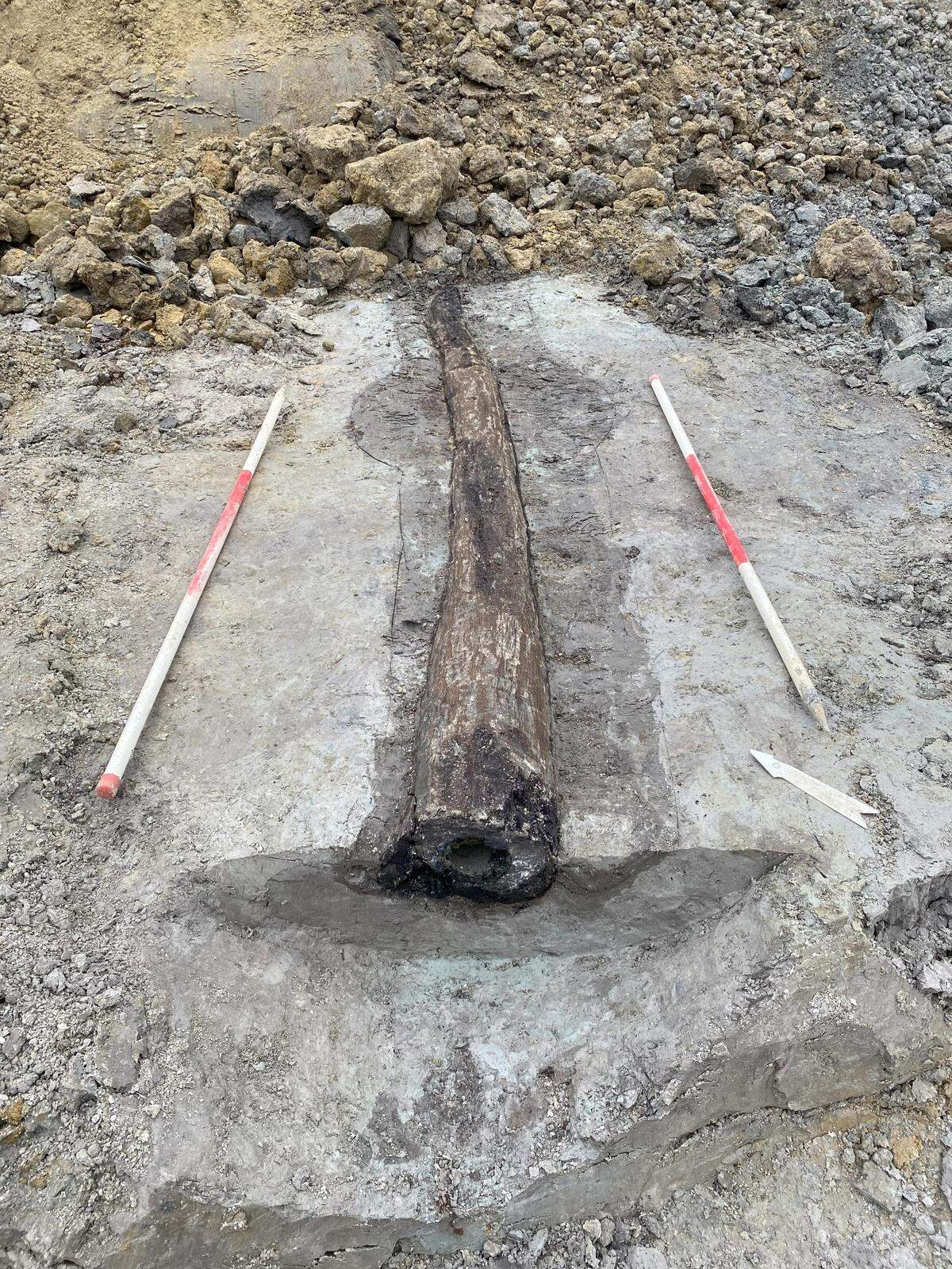
Wooden artifacts or structures are generally rare finds for archaeologists because the material disintegrates quickly unless preserved in a low-oxygen environment, such as mud or water. The wooden water pipes in Leuven had been protected by the marshy soil of the Dyle, or Dijle, River and, as a result, were exceptionally well-preserved, the city said.
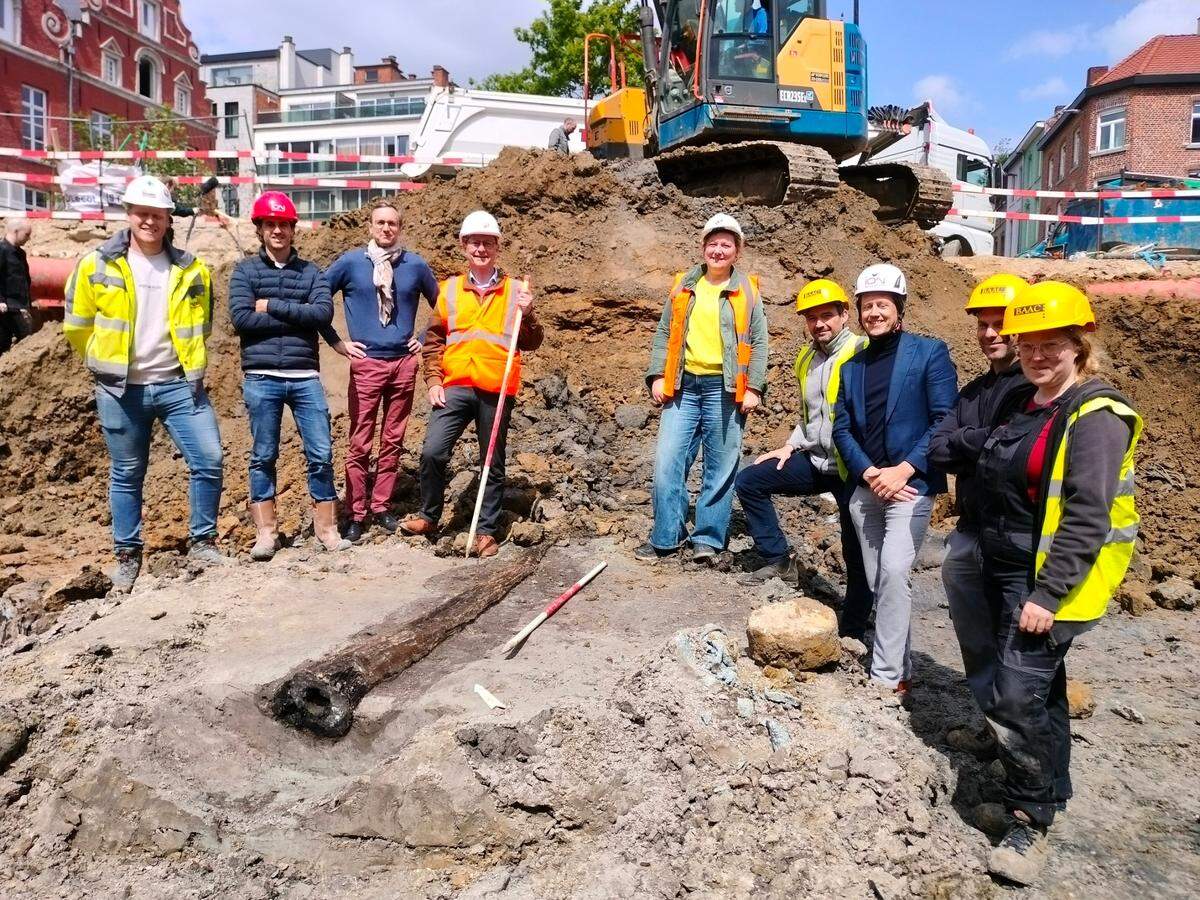
Archaeologists described the 1,700-year-old pipes as unique and a first-of-its-kind find for the area. Previous excavations in the region had found evidence of wooden water pipe usage but never the pipe itself — until now.
“What began as a routine excavation quickly turned into a moment of historical significance,” ION, the real estate developer involved in the project, said in a May 8 Instagram post. The developer described the find as “an extraordinary discovery” and “rare piece of Roman history.”
“The find confirms that Leuven was an important route during the Roman period and highlights the city’s historical significance as a settlement large enough to require a water supply system,” the developer said.
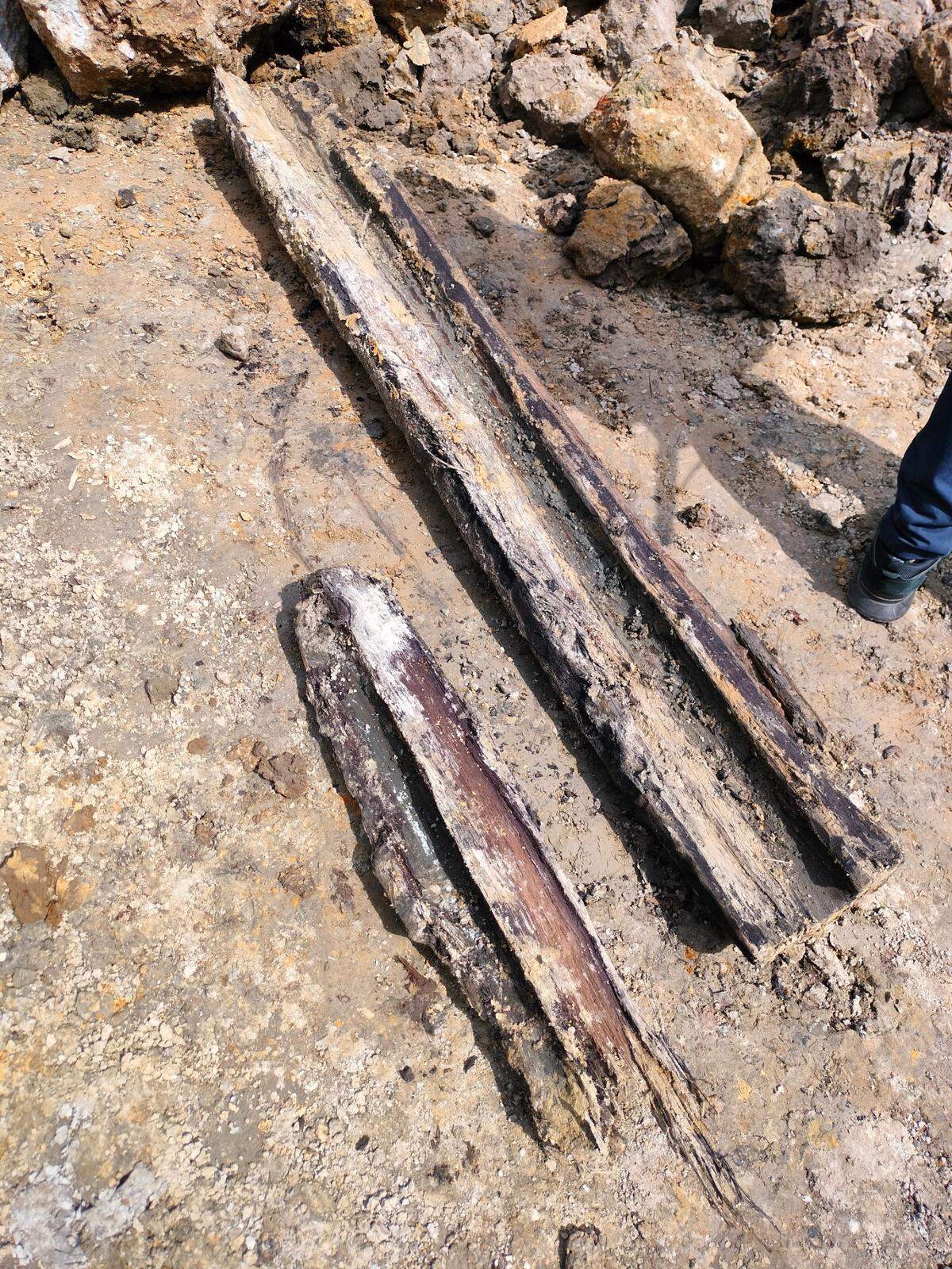
Archaeologists said they plan to move the delicate pipes to a conservation studio, where the artifacts will be analyzed further and preserved.
Leuven is a city in central Belgium and a roughly 18-mile drive east from Brussels.
Google Translate was used to translate the news release from the City of Leuven.
This story was originally published May 9, 2025 at 9:57 AM with the headline "‘Routine excavation’ takes a turn when ‘rare’ ancient Roman artifact emerges."